
Topic: Beef Cattle
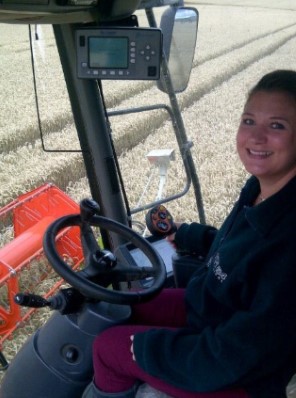
Women in Agriculture: Case Study – Fiona Smith
Fiona Smith farms Westerton of Pittarrow and Cairnton Farm with her father and hard-working staff. Together they farm 850 acres with barley and wheat, potatoes…
Read More >
Podcast: Forward Thinking Farmers – Bill & Helen Smith of The Byres Farm, Fochabers
In the first of our series of podcasts with Forward Thinking Farmers, Mary-Jane Lawrie spoke to Bill and Helen Smith of The Byres Farm, Fochabers. …
Read More >Opportunities To Control Rushes
Rushes are a major challenge to beef and sheep producers across the country. Rushes are an indicator of poor fertility, poor drainage and low soil pH. However,…
Read More >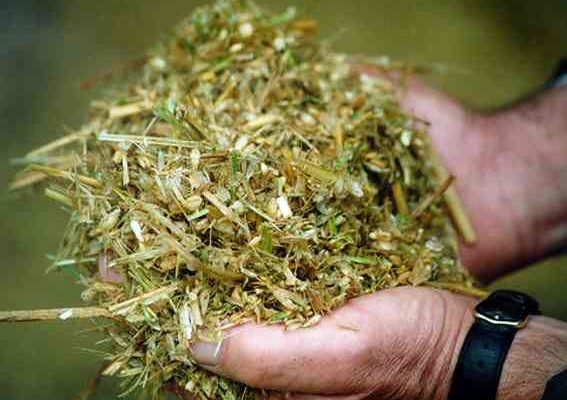
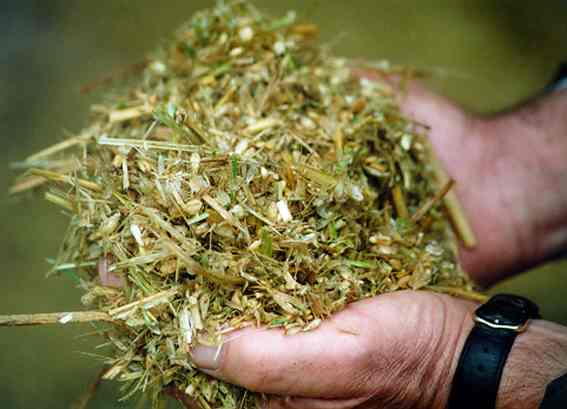
Using A Wholecrop Cereal To Top Up Forage Supplies
If you think you may be short of forage for the coming winter cutting and preserving a standing cereal crop to produce wholecrop may be worth considering. It is a good bulk feed and can replace silage if necessary (may need additional protein depending on the stock to be fed) and it is ideal if you have undersown cereals and will give an earlier bite in the field or free up the field for early sowing of a catch crop.
Read More >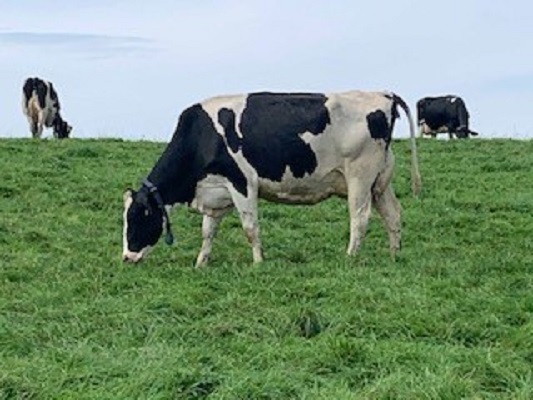
Unusual Behaviour And Deaths In Cattle
Over the last couple of days there have been several reports of dairy cows eating soil and of deaths in young suckled calves from twisted guts etc. While we only know of a few cases, their cause is difficult to explain. One possibility is that with the drought grass is likely to have high levels of sugar and of course very rapid growth once it rains.
Read More >
North East Organic Discussion Group: Rotational Grazing
In this podcast, Agricultural Consultant Malcolm MacDonald chats to Alastair Wilson who farms at Upper Wheedlemont Farm near Rhynie, and Senior Consultant with SAC Consulting,…
Read More >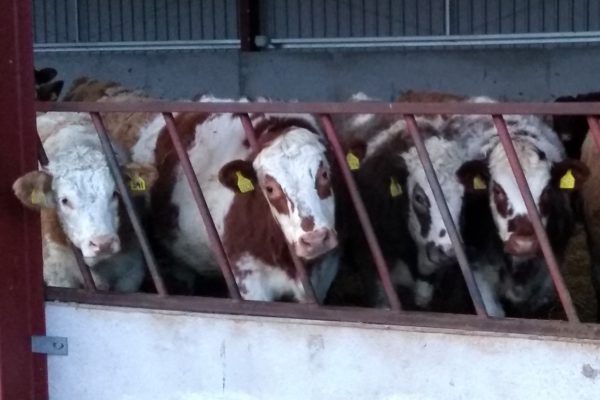
Nutritional Causes: Focus On Laminitis
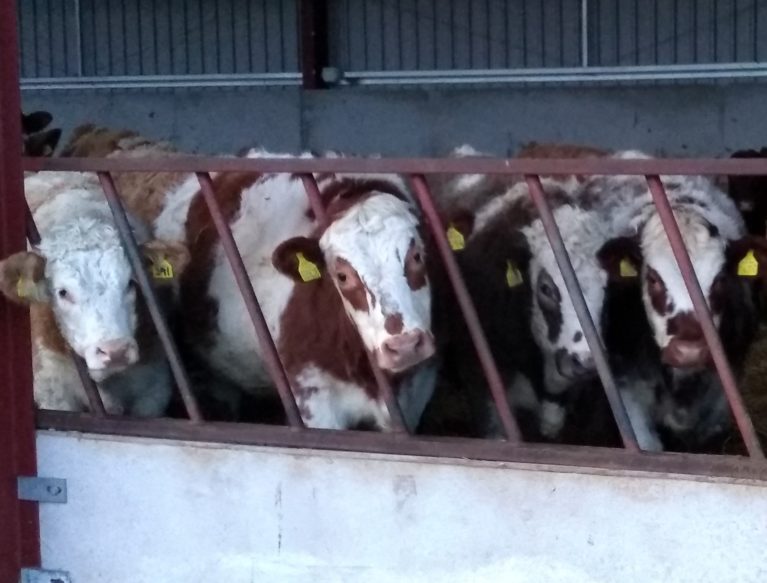
Nutritional management has been identified as a key component in the development of laminitis, particularly in rations with a high level of starch resulting in an acidotic state.
Read More >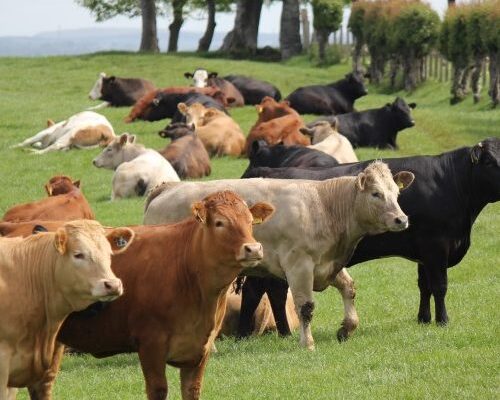
Identifying And Treating Lameness In Cattle
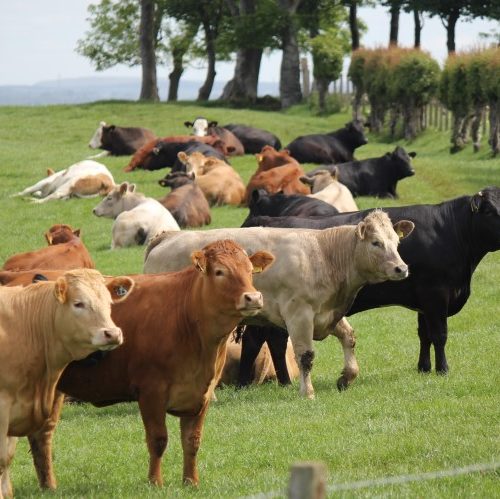
There are two vital points to remember when tackling lameness in a group of cattle:
Identify what the cause of lameness is
Don’t assume all cases have the same cause
Practical Steps To Reducing Lameness In Finishing Cattle
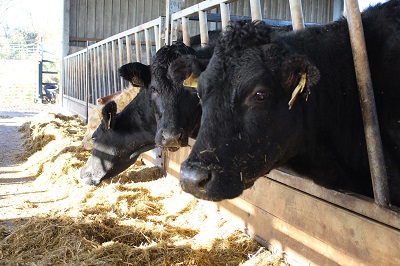
As with most things in life, when it comes to lameness, prevention is always better than cure. Lameness is recognised as a major issue in the dairy industry, with dairy producers spending a lot of time and money on treating and preventing lameness in their herds. Although not such an acute issue in most beef herds, there is still potential to make changes to reduce lameness, particularly in finishing systems.
Read More >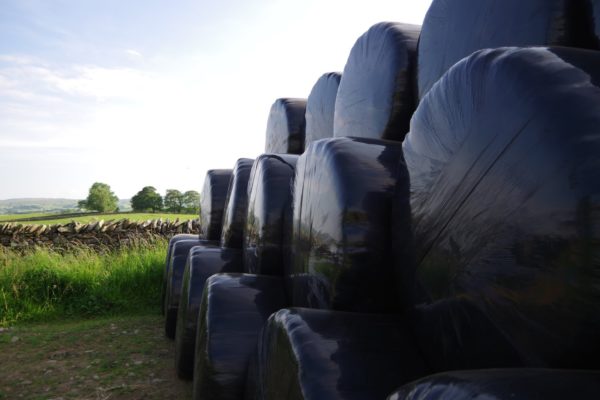
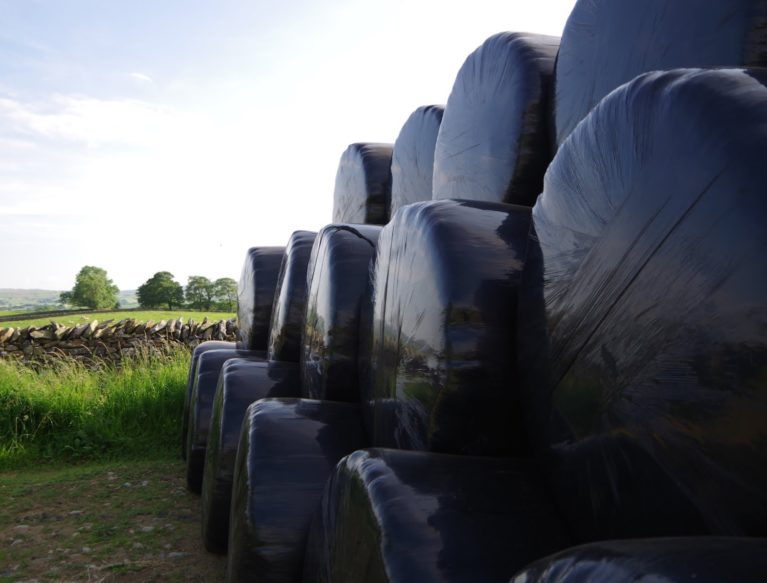
Handling And Stacking Silage Bales
When making silage bales it worth taking extra care around handling, wrapping and stacking of bales to avoid costly nutrient losses and some harmful moulds that can cause issues with livestock.
Read More >