
Feed & Forage [BE.FF]


Improve Your Grassland Productivity With Weed Control
In this video we hear Poppy Frater, Grassland Specialist at SAC Consulting, and Colin Taylor, Taylor Technologies, discuss two weeds most important to established grassland in Scotland – Docks and Creeping…
Read More >
Soil Compaction and Silage Production
With rising costs, it is important to make sure that every acre is working at peak performance. Identifying compaction Soil compaction can be measured using a soil penetrometer. This…
Read More >
Reduce Risk Of Scald In Lambs This Season
Scald is caused by bacteria (Dichelobacter nodosus) in the grass and leads to damage to the soft tissue between the toes of lambs. It can lead to footrot if it…
Read More >
Maximising Performance of Growing and Finishing Cattle
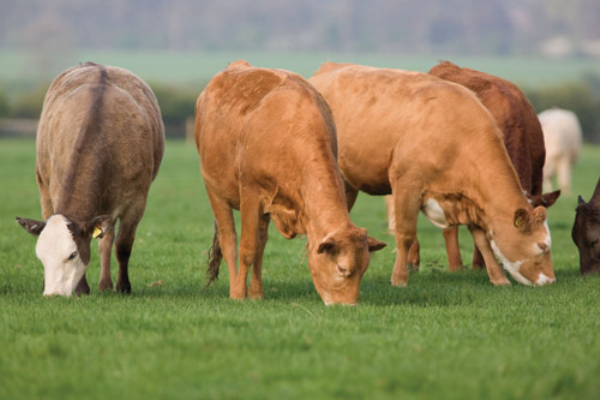
With exceptionally high feed costs this year it is vital that the target weight gain from a specific ration is being achieved. Any drop in daily liveweight gain will mean…
Read More >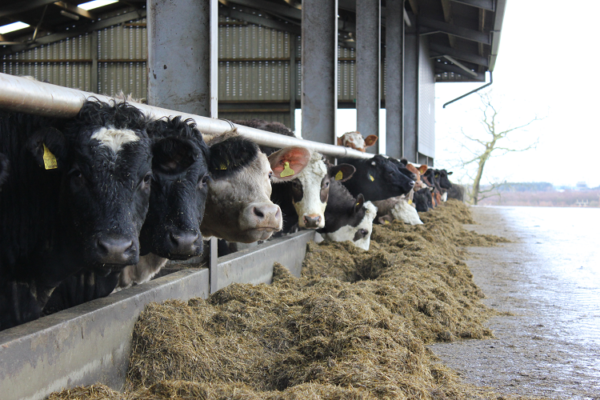
Improving Silage To Reduce Costs
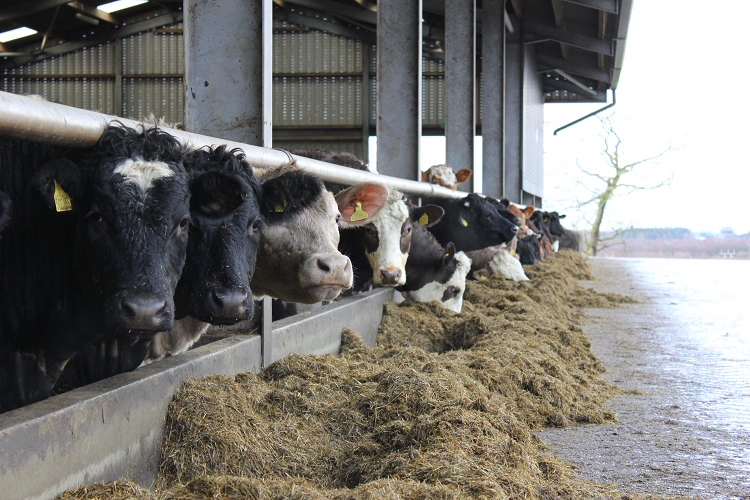
Improving silage quality provides an alternative resource of nutrients to livestock that may have otherwise been supplied in concentrate feed. Ruminants have evolved to eat grass, therefore the more we…
Read More >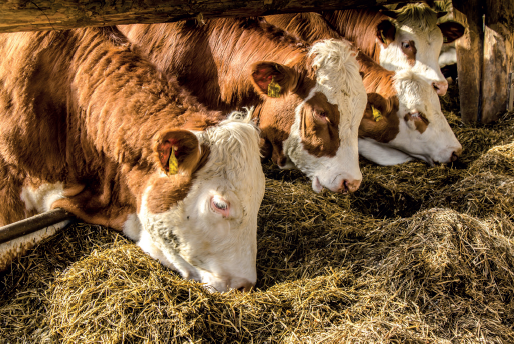
Feeding Pre-Calving Minerals
An important factor in the pre-calving period is to ensure the cow is getting adequate minerals in her diet. Mineral levels in UK silages are variable and are influenced by…
Read More >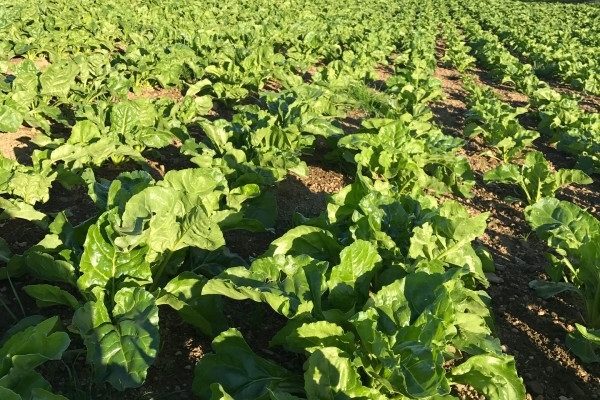
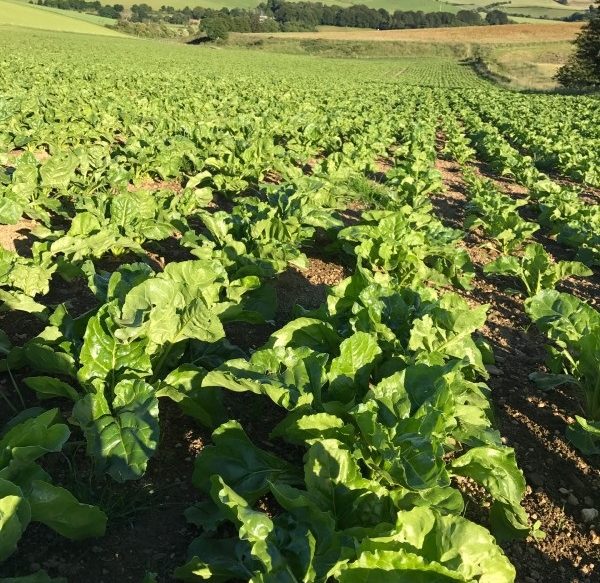
Transitioning Off Fodder Beet
The importance of transitioning livestock on to fodder beet slowly, to allow the rumen bugs to adapt to the high sugar diet is well documented. However, as calving and lambing approaches, the slow and steady approach should also be used for transitioning the livestock off the beet.
Read More >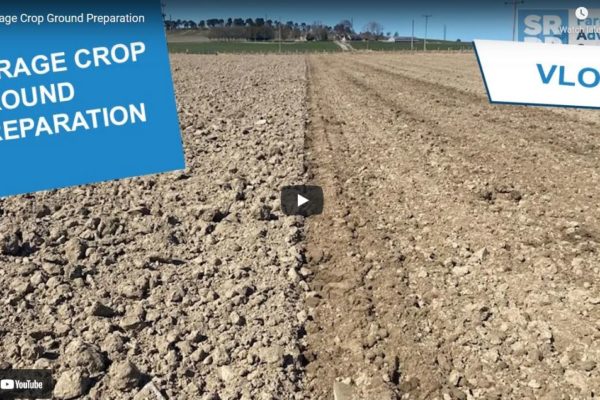
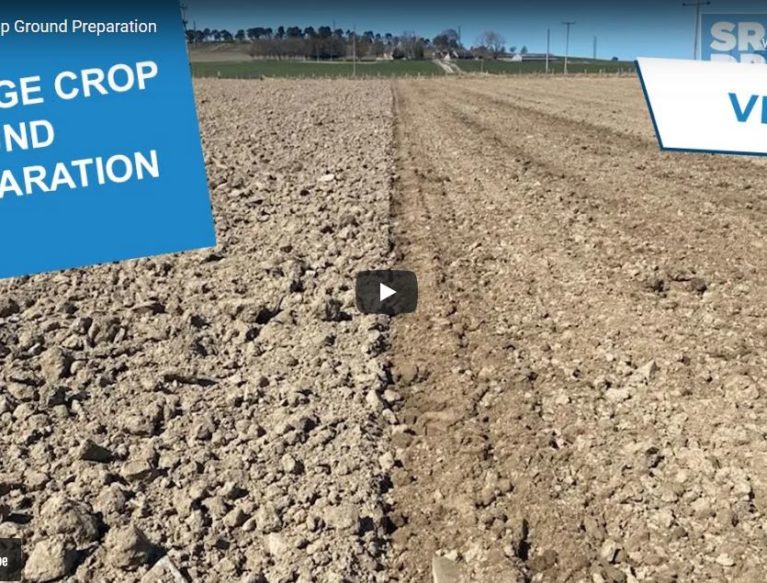
Forage Crop Ground Preparation
Good ground preparation of forage crops is a large contributor to their yield potential, with a fine, firm seedbed, with the correct pH and nutrients being the ideal. Peter Lindsay, SAC Consulting Senior Consultant discusses ground preparations in this short video.
Read More >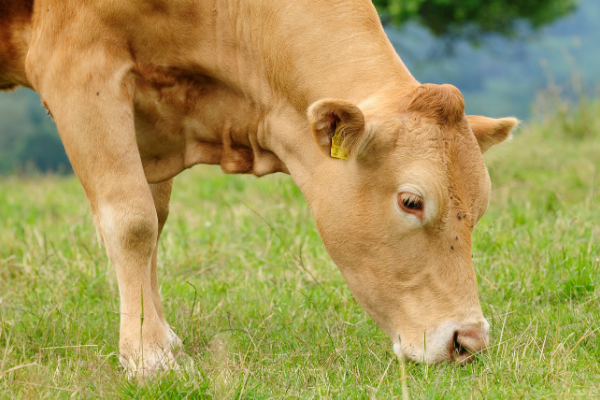
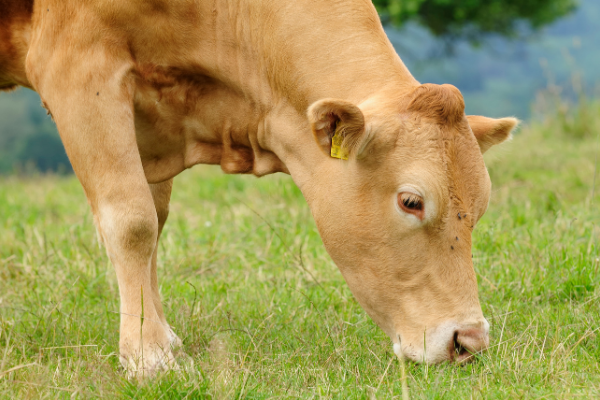
Magnesium Supplementation of Suckler Cows – Are You Covered?
As turnout approaches, now is a good time to reassess your mineral supplementation strategy for grass staggers prevention in the suckler herd (also known as hypomagnesaemia or grass tetany). Whilst access to spring grass is one of the key risk factors for lactating cows, with the high passage rate of lush, wet grass through the digestive tract reducing magnesium absorption, there are several other factors to consider.
Read More >