
Rearing Animals [BE.RA]
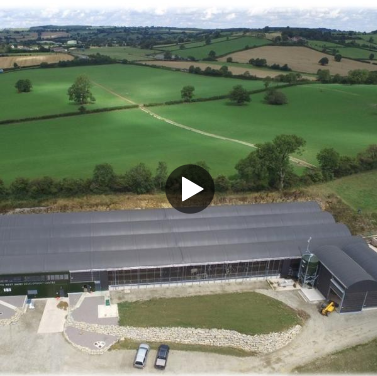
Technology for Improved Animal Welfare – The South West Dairy Development Centre
In this 2-part mini-series of podcasts based on Animal Health & Welfare we are speaking with the head of dairy, Duncan Forbes from the Agri-Epi Centre. In podcast 1, Duncan…
Read More >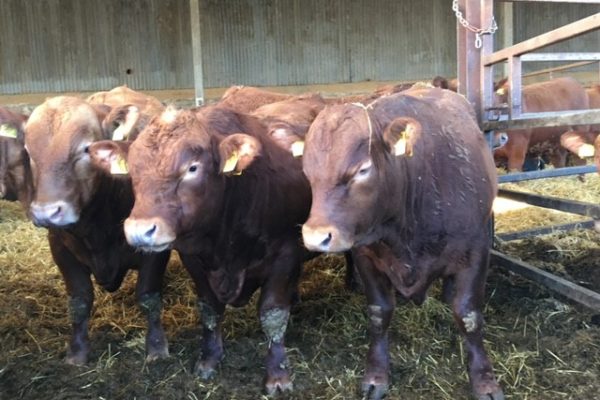
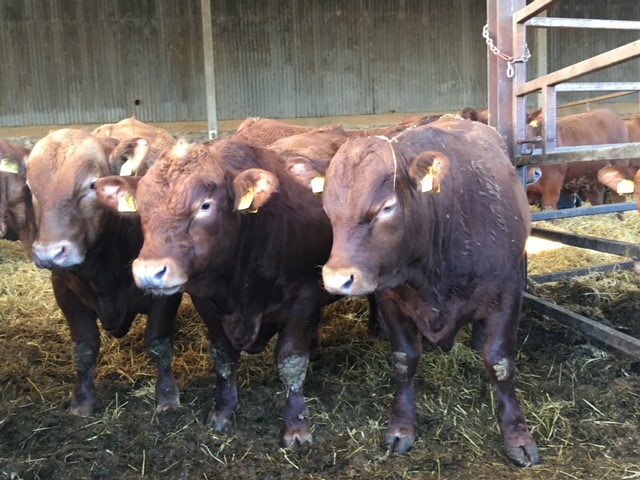
Keeping Male Calves Entire?
With calving either started or not far away, on many farms, now is the time for breeders to consider whether they castrate their bull calves or keep them entire.
Read More >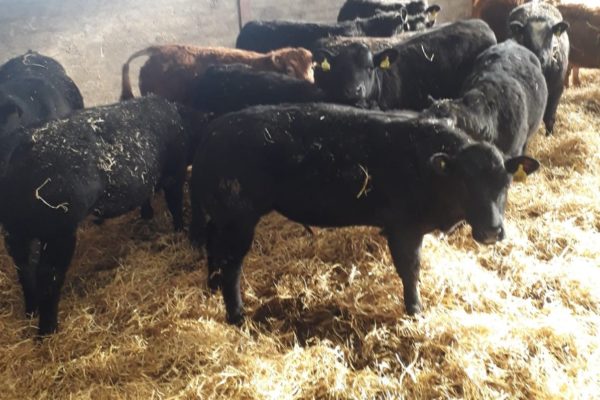
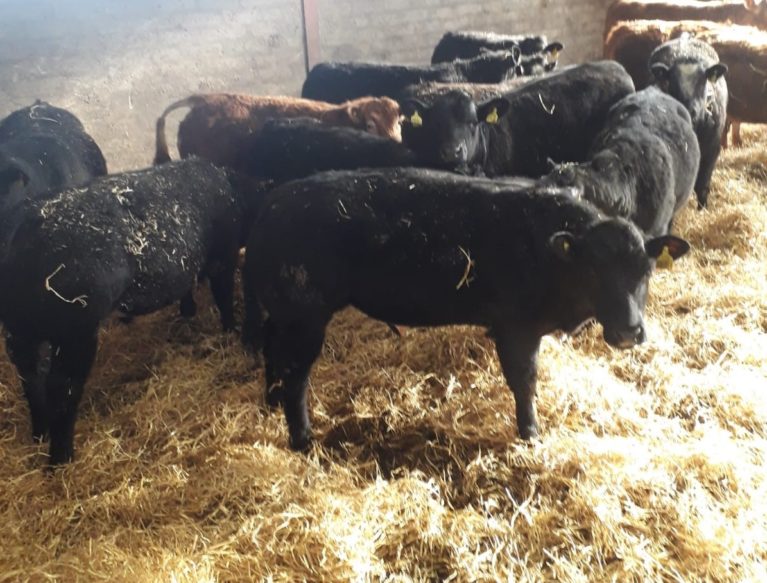
Dirty Cattle Cost Money
Ensuring fattening cattle are kept clean for slaughter can be difficult, with long months of winter housing and the cost of straw bedding and its availability. With straw supplies looking…
Read More >
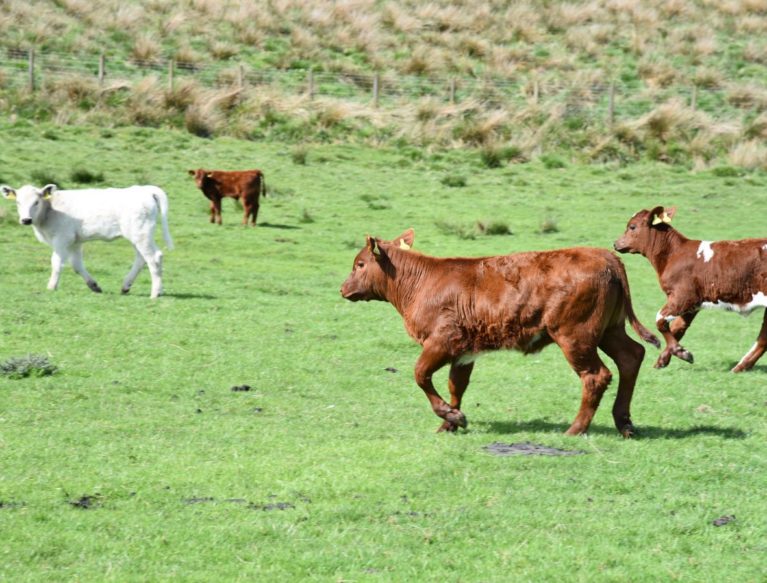
High Risk Of Unwanted Pregnancies In Heifer Calves
We are hearing some worrying reports, from vets and scanners all over the country. There have been a large number of heifer calves being found to be in calf, some of which have been bulled as early as 4 months.
Read More >
What Are Antibiotics?
Responsible use of antibiotics should be at the forefront of all our minds – should I use antibiotics? What antibiotic should I use? Are other treatments more appropriate? This guide, along with discussion with your vet should assist with key decisions surrounding antibiotic use.
Read More >
Do You Know What Your Cows Weigh?
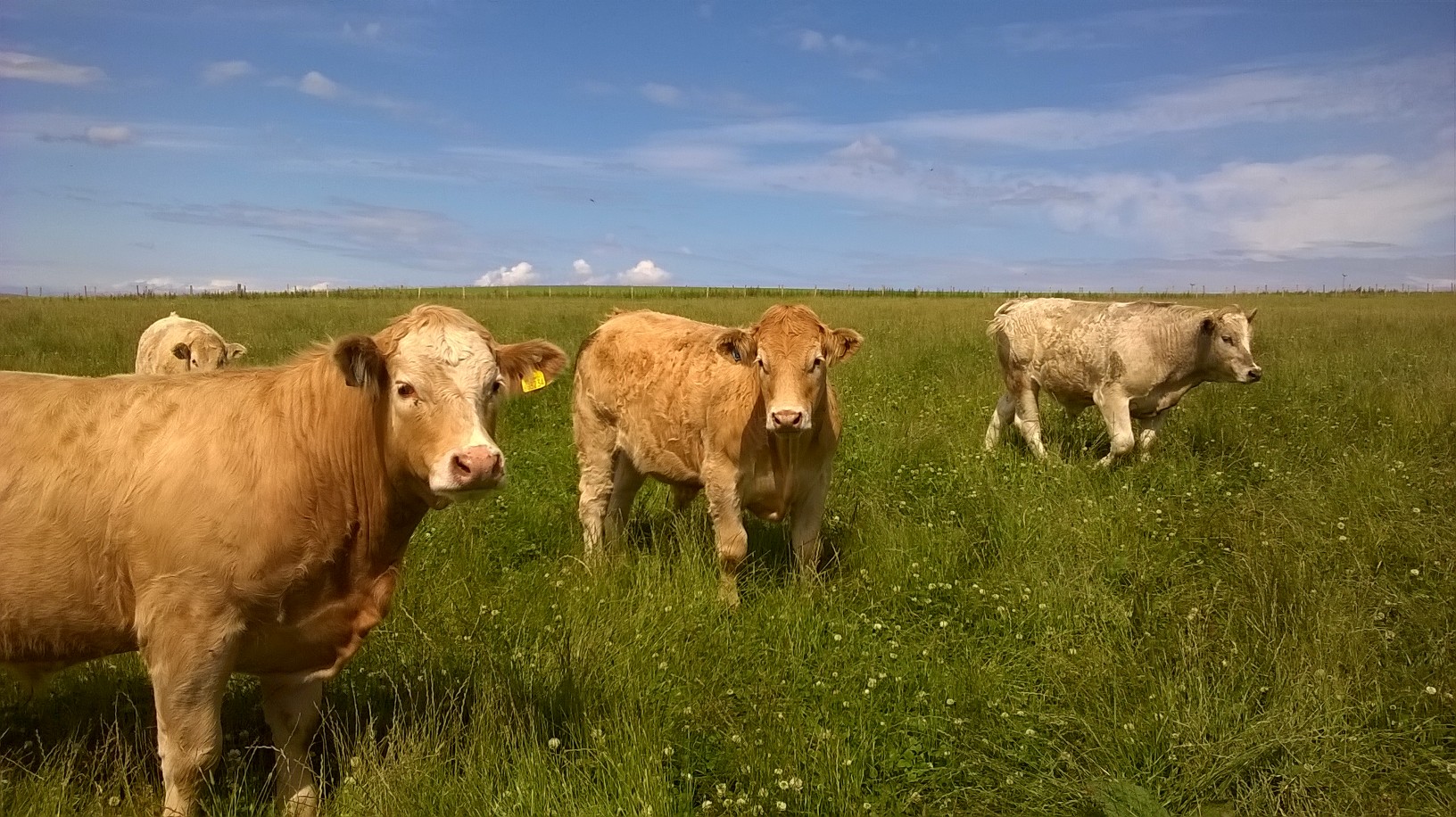
If you do not weigh your cows on a regular basis you might be surprised to know that the weight range between animals within the herd could be as much as 300 kg!
Read More >
Watch Condition of Autumn Calving Cows
While it is ideal to manage cow condition throughout the year, this is often easier said than done. Cows on good quality grass will put on condition rapidly. Having over fat cows at calving time can cause issues with calving difficulty, fat cows also have a higher risk of metabolic issues around calving time.
Read More >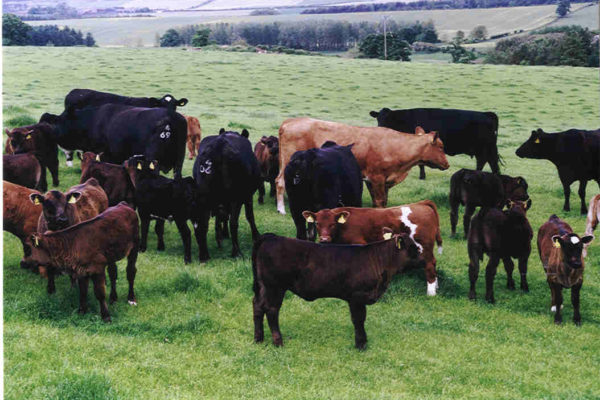
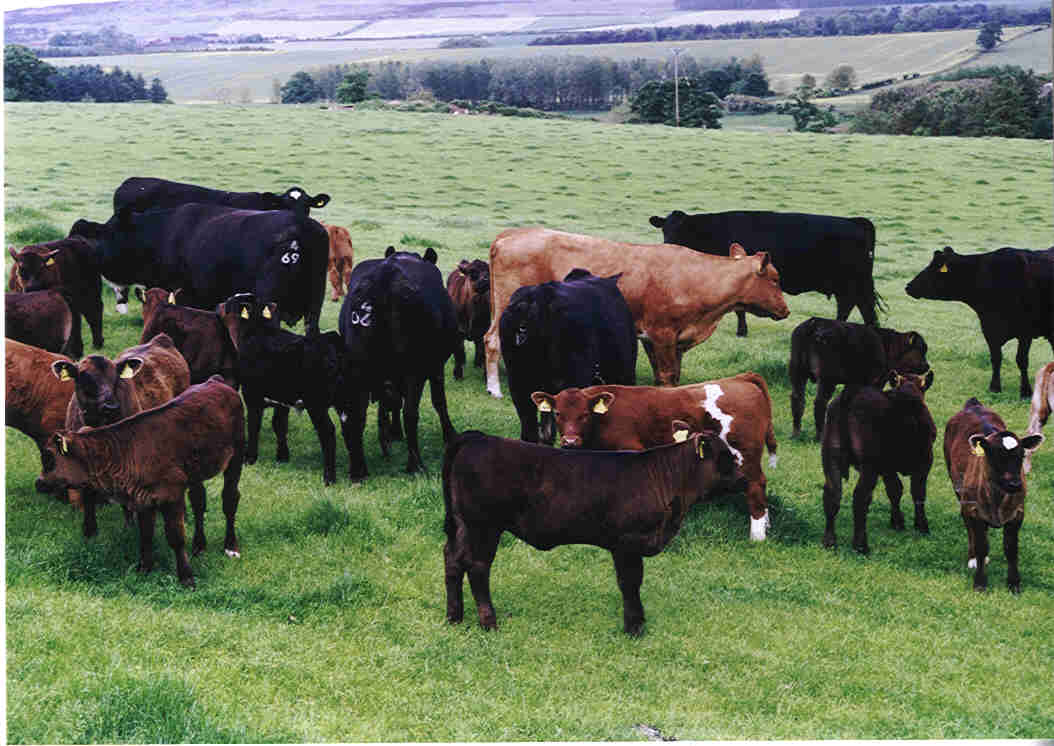
Magnesium For Autumn Calving Herds
When we think about magnesium deficiency, we automatically think about grass staggers. Many suckler herds do not experience problems with staggers in the spring and it tends to be in the autumn that staggers is more common, due to changeable and stormy weather conditions and a high passage rate of lush, wet grass through the digestive tract. For autumn calving cows, the risk of staggers is lower pre-calving compared to lactating cows at this time as they have a lower requirement for magnesium. However low magnesium pre-calving can cause metabolic issues around calving time such as subclinical milk fever or slow calving syndrome.
Read More >