
Water Management on Your Farm: Resilience
Changing climate and its impact on farming
Predictions show that summers will be drier with wetter winters, how this impacts your business will depend on your business needs and location. However, putting in measures now to slow flow, improve soil structure and enhance the ecosystem services provided from the land could significantly help businesses mitigate against changing weather patterns.
Here we discuss methods to improve water retention on farm.
Resilient techniques to combat a water scarcity in a changing climate
There are a number of techniques available to farmers when combating water scarcity, including:
- Reducing compaction
- Buffers/3D buffers
- ‘Magic Margins’
- Tree & hedge planting
- Cover crops
- Crop choice
- Ploughing techniques
Some will be more suitable for your land and system than others, so it’s worth reviewing the benefits and requirements of each before making a decision.
Reducing compaction
Compacted soil allows little or no water to drain through pores and cracks, preventing the soils’ ability to retain and hold water. As a result, water flows off the field and reduces the volume of water that can be utilised by crops and vegetation. By reducing compaction farmers can experience higher yields, healthier soils and retain water on site for longer, among other benefits. To begin, you need to assess your soil. You can do this by a Visual Evaluation of Soil Structure assessment and through an infiltration rate assessment, Farming and Water Scotland have produced a how-to video to show how you can quickly assess your soil. Through understanding the condition of your soil you can start to make changes to help year-round. Methods to reduce compaction are listed below and more information can be found in the Alleviating Soil Compaction Practical Guide.
- Introduce buffer strips
- Tyre choice – could you use a wider tyre to reduce pressure on the soil?
- Could you avoid the use of machinery on certain areas which are prone to compaction at times of heavy rainfall?
- Could you move livestock off compacted soil after wet periods to allow the soil to recover?
Further resources
Using Organic Matter to Alleviate Water Scarcity
Buffers/3D buffers
Introducing 3D buffers, which are multipurpose buffer strips to your land can offer innovative and beneficial natural process to retain water on your land.
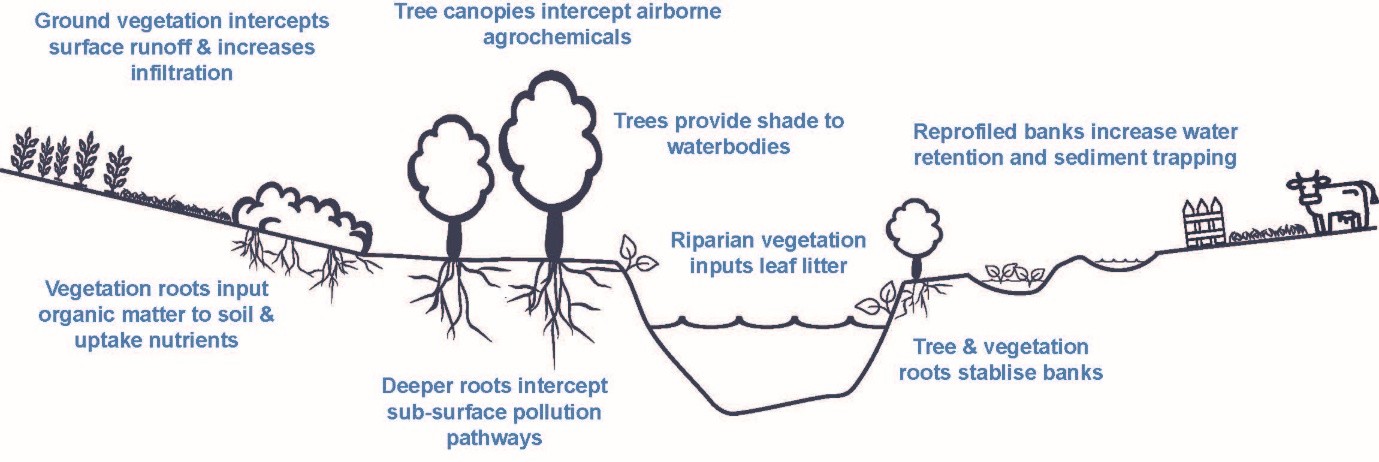
Figure 1 Example 3D buffer strip
Figure 1 shows the design of a 3D buffers, which are riparian buffer strips, utilising overland, surface and sub-surface interchange, to strengthen and improve the ecosystem services that buffers can provide. These systems hold soil together, allowing for an in-depth root system to retain water in the soil, reduce bare soil and runoff pathways. The areas roughness is increased, allowing for longer retention and a stable soil structure to be developed.
You need to ensure that your buffer strips complies with General Binding Rules (GBRs) and be aware that buffers, depending on where they are situated have various minimum distance, which are required to comply, as shown in Figure 2. 3D buffer stipes are designed to be 6-12 meters, depending on the requirements of the area.
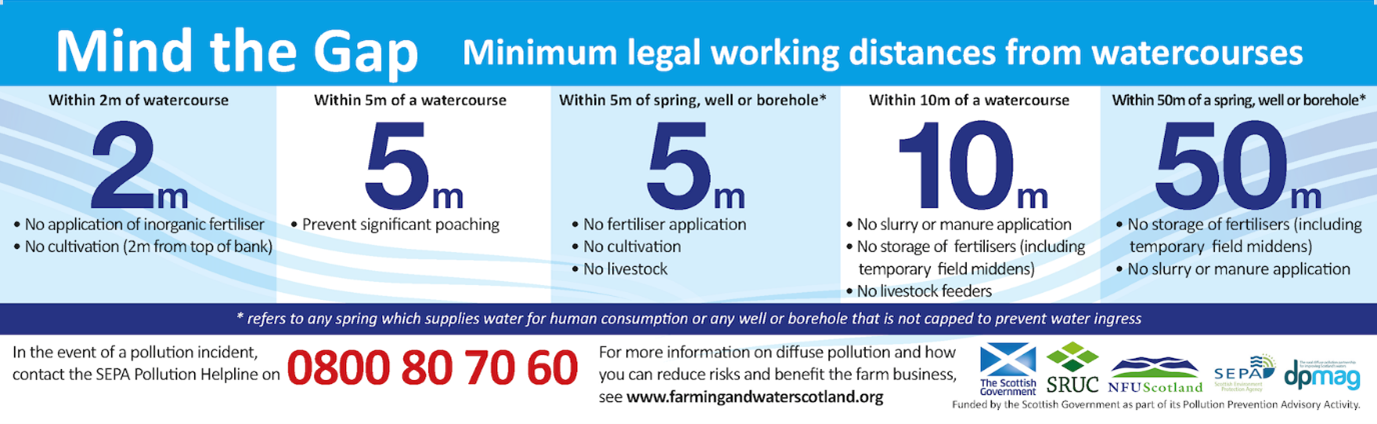
Figure 2: Mind the Gap banner to show minimum legal working distance from watercourses
Further information
Magic Margins
Magic margins are modified field margins designed to reduce surface runoff and erosion on sloping farmland. They are a practical, nature-based solution that slows the flow of water and helps keep soil and nutrients on the field where they can do good. A Magic margin is a three-dimensional feature made up of ridges that run across the slope. Small dams between the ridges help to slow water from flowing along the margin too quickly, further slowing down water and increasing infiltration.
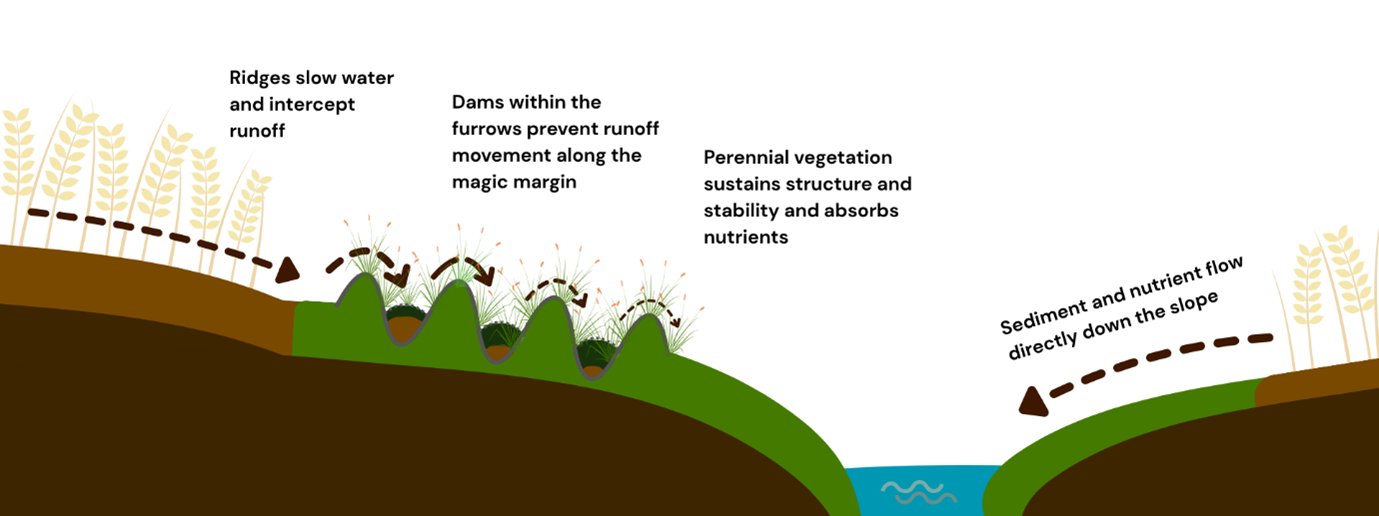
Figure 3 Example of how a Magic Margin Functions
Further information
Reducing Surface Runoff and Erosion with ‘Magic Margins
Magic Margins – helping maintain soil on farm podcast
Tree/hedge planting
By planting hedgerows and trees within your land you can enhance your land’s ability to retain water and protect the soil. As with buffer strips, hedgerows and trees bind the soil together, allowing for natural buffers to help maintaining soil structure and retain water in the soil and plants. They can be planted as field boundary, but in addition in the correct location, trees can offer great benefit within the land, be it for shelter, forming wildlife corridors, or reducing the impact of flooding.
Further information
Riparian Planting for land management
Cover crops
As winters are predicted to become wetter, it is increasingly important to protect bare soil from erosion and run off. Bare soil is vulnerable to erosion and offers little, or no resistance to surface water runoff. Introducing vegetation to areas, which previously may have been left bare allows for the water to be utilised and held within the land. The soil is protected from erosion, while the velocity of water flow through the land can be reduced, allowing time for the water to infiltrate through the soil, enabling water to remain in situ for longer periods and be used.
Cover crops can offer multiple benefits to your soil, as can be seen in the Farming for a Better Climate guide. However, you need to ensure that you plant the most relevant crop to your needs. Information can be found within the Keeping soil covers Practical Guide on different criteria you should look at when deciding what and why to plant.
Cover crops can help improve the microorganisms within your soil, improve soil structure and reducing compaction. This will assist your land to filter water efficiently and help retain water within your soil throughout the year. Therefore, providing your farm more resilience against water scarcity.
Further information
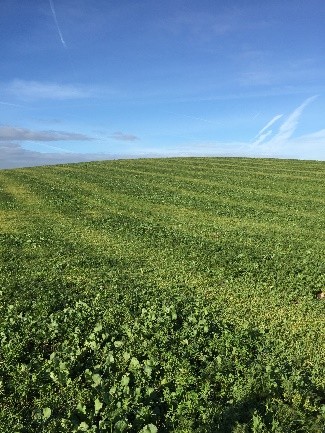
What’s grown in the field
With summers predicted to become drier, farmers may want to begin to think about the crops that they grow on their land. In certain areas around Scotland the impact of drier summers is impacting yield. Potentially moving to drought resistant varieties, or crops, which require less water may become a viable option for many businesses.
Moving away from a monoculture pattern and allowing different crops, with different water requirement and root depths to grow alongside each other may offer solutions for business struggling with water shortages. Crops would not be competing for the identical nutrients and water from the soil, allowing them to grow alongside each other, while offering more biodiversity to the area. This increases robustness and the ecosystem services the crops provide to the land, enhancing the available services.
Further information
Ploughing technique
Modifying ploughing techniques can help retain water on your land. Moving to a system where you follow the natural contours of the land can aid water retention and reduce runoff. In addition, looking to minimum, low or no tillage can have great benefit to soil management and retaining water on farm.
Further information
Building resilience into Scotland’s rural sector through working with nature and technology
Additional information
CXC (2018) Indicators and trends: Suitability and productivity (agriculture)
FAS: Soil Structure & Compaction
Sign up to the FAS newsletter
Receive updates on news, events and publications from Scotland’s Farm Advisory Service