
Natural Capital on Scottish Farms – Real Assets, Real Benefits
30 March 2026Natural capital and ecosystem services can be confusing concepts because:
Even though we use this economic / accounting language, the full value of natural capital and ecosystem services is difficult to put a number on. For example, how would you value all the different aspects of a woodland? Ecosystem services from a woodland include the economic value of the wood in the trees (providing timber), the carbon stored in them, habitat they provide for species, and a wide array of intangible benefits to people such as visual amenity (a nice thing to look at), recreation (walking, cycling, etc.), and cultural / heritage value (“sense of place,” memory, idea of the landscape). Because it underpins so much of the Scottish economy, the total value of Scotland’s natural capital is estimated to be in the realms of £230 billion. However, because it is irreplaceable, it is essentially priceless.
The ecosystem services that they provide can be both direct and indirect. These services and benefits also vary in scale, from hyper-local to global. Direct effects might include the benefits of insect pollination on Scotland’s agricultural output (valued at £43 million per ). Indirect and more global effects include carbon sequestration and regulating air quality. These are benefits which your farm might deliver, but which are enjoyed by all of society / humanity.
What natural capital assets do farms in Scotland hold?
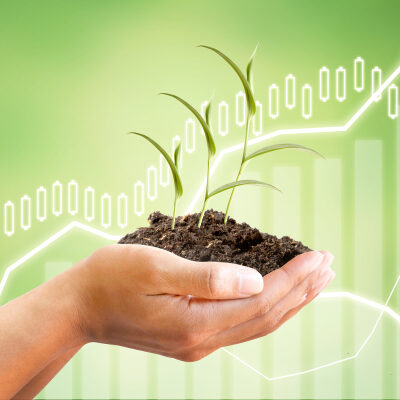
Soils
- Food and fibre production – Farm income from crops and livestock
- Increased water infiltration and storage, combatting drought and flooding – More resilient yields, reduced losses
- Carbon storage, reducing farms’ carbon footprints – Market and compliance benefits
- Nutrient cycling - Reduced dependency and cost of fertilisers
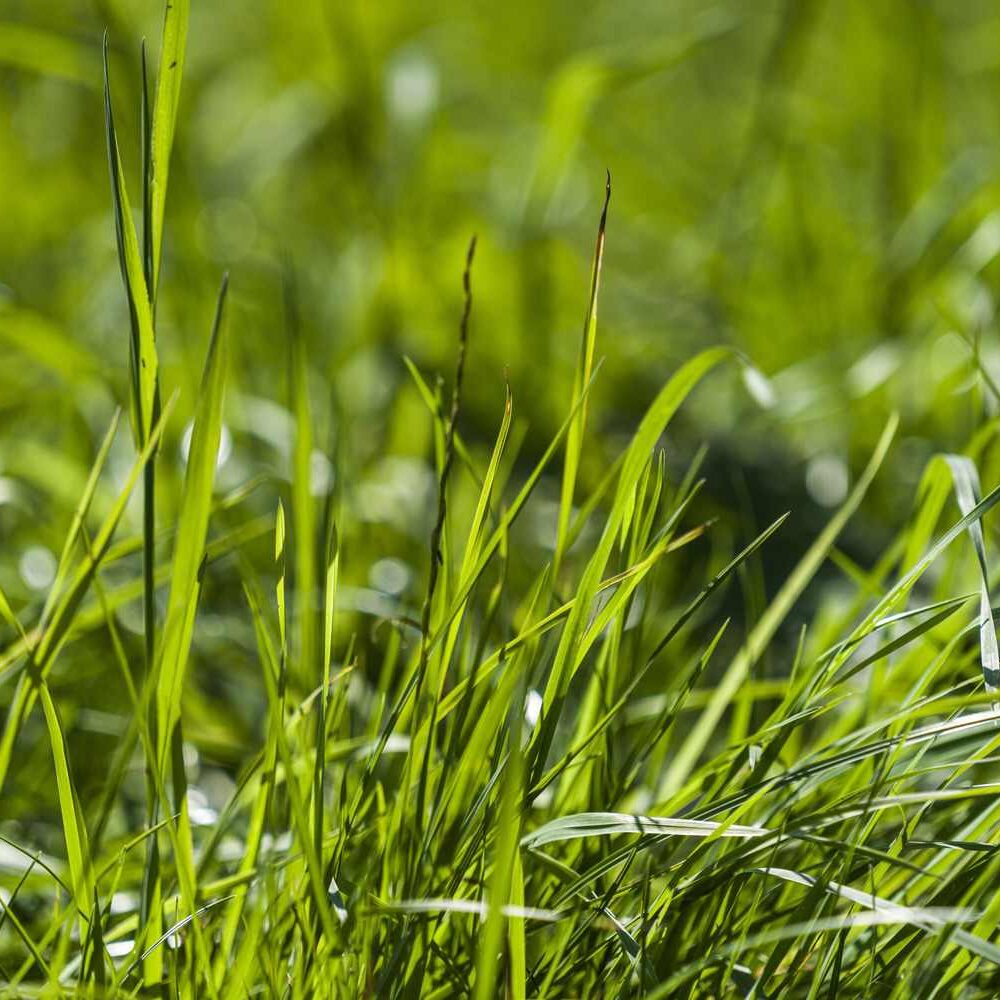
Grassland
- Livestock feed / forage – Lower feed costs, improved margins
- Carbon storage – Carbon footprint reductions, potential access to carbon markets
- Water regulation – Reduced flooding
- Habitat provision, biodiversity – Pollination, pest control, potential scheme payments
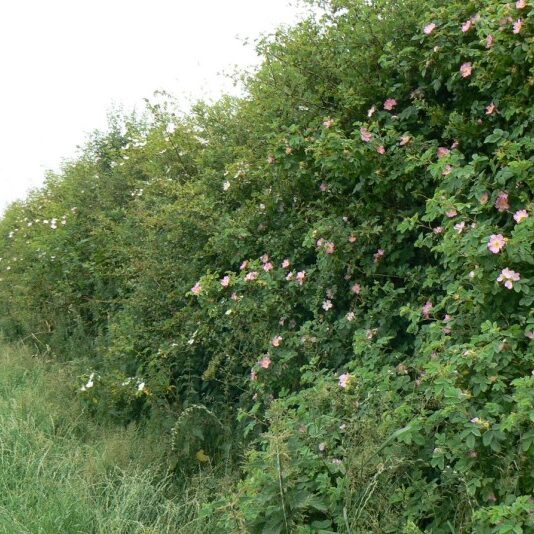
Hedges and shelterbelts
Shelter and shade for livestock – Improved welfare and weight gain
Windbreaks for crops – Higher yields, reduced crop stress
Pollination and pest control – Reduced pesticide costs, improved yields
Food and fibre production – Diversified income streams (fruit, timber, or biomass)
Intercepts pollutants reducing diffuse pollution – Compliance with regulation, avoided penalties
Landscape character – Tourism, branding and tenancy value
Habitat provision, biodiversity – Agri-environment
payments, ecosystem stability
Woodland
- Timber and fuel – Diversified revenue streams, energy
- Carbon sequestration and storage – Potential access to carbon markets
- Shelter and shade for livestock – Improved welfare and productivity
- Flood mitigation – Reduced infrastructure and soil damage
- Recreation and amenity – Diversified income (tourism, leasing)
- Habitat provision, biodiversity – Scheme income, natural pest regulation
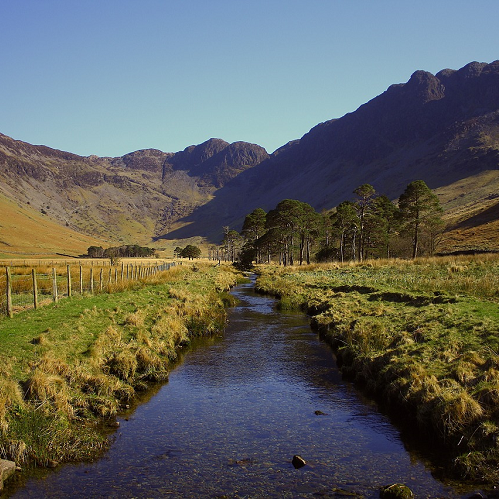
Water (burns, ditches, wetlands)
- Water supply – Reduced abstraction costs, drought resilience
- Flood regulation – Reduced field and asset damage
- Water quality regulation – Lower treatment costs, regulatory compliance
- Habitat provision, biodiversity – Agri-environment payments
- Hydropower, renewable energy – On-farm energy savings, energy sales
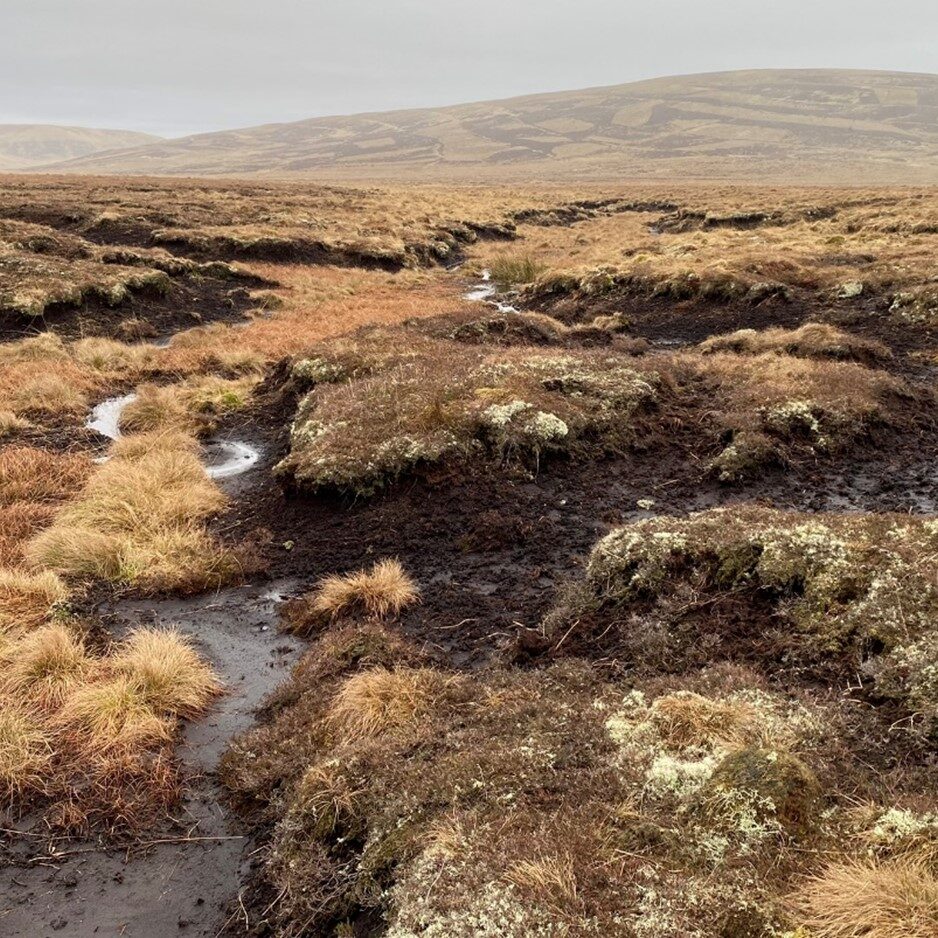
Peatland (where present)
- Carbon storage – Potential access to peatland carbon market
- Water regulation & flood mitigation – Reduced downstream risk, improved land stability
- Habitat provision, biodiversity – Agri-environment payments, ecosystem stability, pollination
Why condition matters
Two farms can have the same assets but deliver very different benefits, depending on condition and management. Through management, we can protect our natural assets (e.g. cover crops to protect soils from erosion, buffer strips adjacent to rivers to protect them from pollutants) and improve their condition (e.g. establishing diverse multi-species swards can increase water infiltration and storage and benefit biodiversity). Actions to protect, enhance and restore our natural assets on farm can:
- Reduce input costs
- Improve resilience to changing weather
- Help ensure cross compliance and meet EFA requirements
- Unlock access to support and payments (see FAS Natural Capital podcast: Biodiversity Funding on Farms)
FAS has a wealth of resources to help farmers learn more about these specific types of natural capital and ecosystem services, including ways to build them up and keep them in good condition.
Identify Your Natural Capital
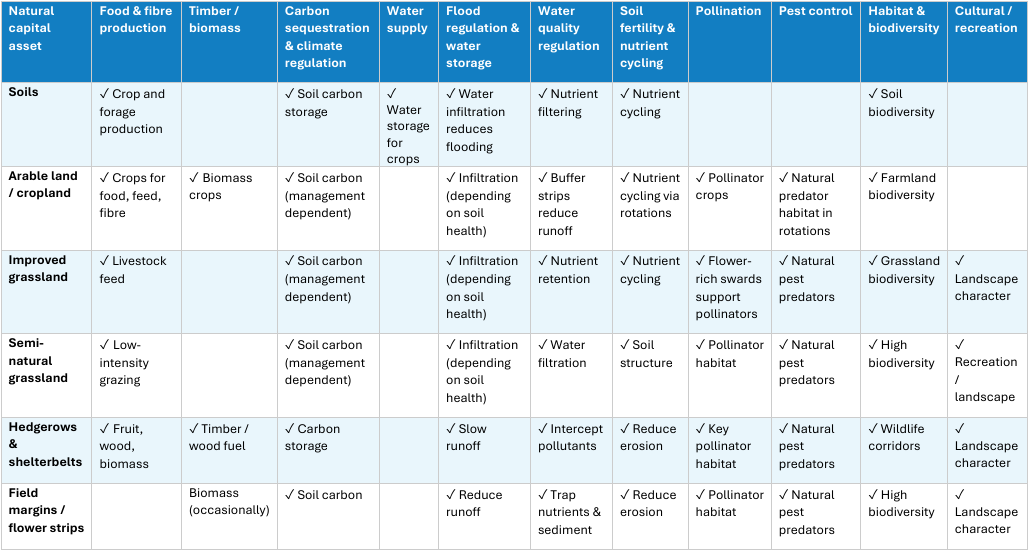
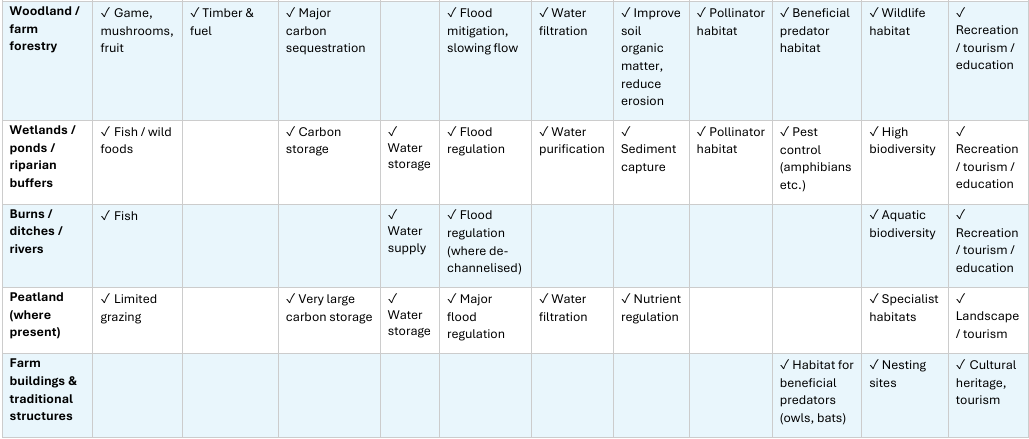
Natural capital assets commonly found on different types of Scottish farms and the ecosystem services they can provide. As discussed above, the flow of these ecosystem services depends on whether the corresponding assets are maintained in good condition. This is not an exhaustive list, but meant to help illustrate how natural capital assets and ecosystem services are related and provide a few examples.
Further Information
Case studies:
University Innovation Fund (UIF) Projects
Sign up to the FAS newsletter
Receive updates on news, events and publications from Scotland’s Farm Advisory Service