
Investigating Abortions in Cattle and Sheep
27 March 2026Abortions are associated with financial losses on farms and crofts which can be direct from the loss of the lamb/calf and/or the dam, and indirect from reduced performance through reduced milk production and increased calving intervals. High levels of abortion in herds and flocks can also be mentally distressing for all involved. This factsheet provides an overview of the most common causes of abortion in cattle and sheep in Scotland and the value of investigating the cause.
What is abortion?
In cattle, abortion is defined as “an abortion or calving which takes place less than 271 days after service or insemination, or less than 265 days after implantation or transfer of an embryo, whether the calf is born dead or alive” under Brucellosis legislation. An equivalent definition is not available for sheep, partly due to there being no legal requirement to report sheep abortions in the UK.
Causes of abortion
Abortions in cattle and sheep can be caused by infectious e.g. viral, bacterial, and protozoal, or non-infectious causes such as contaminated feed, stress e.g. heat stress or dog worrying, or trauma. Disease within the dam that results in sickness and high body temperatures can also induce abortion. However, not all infectious abortive agents will result in ill health in the dam.
Some of the infectious causes are zoonotic, meaning they can infect humans too. There can be overlap between the abortive agents between cattle and sheep, meaning it is important to consider the risks to other species on mixed farms and crofts.
Listed below are some of the infectious abortion agents, those in bold are the most common in Scotland between 2012 and 2025. It should be noted that this is not a comprehensive list and other sporadic and opportunistic causes can be identified following investigation.
| Cattle | Sheep | |
|---|---|---|
| Bacillus licheniformis | Chlamidia abortus causing Enzootic Abortion in Ewes (EAE) | |
| Trueperella pyogenes | Toxoplasma | |
| Salmonella species e.g. Dublin, typhimurium | Campylobacter | |
| Fungi | Listeria | |
| Neospora | Salmonella species e.g. Montevideo, Dublin, Typhimurium | |
| Listeria | T. pyogenes | |
| Campylobacter | B. licheniformis | |
| E. coli | Yersinia species | |
| Schmallenberg virus (SBV) | Schmallenberg virus | |
| Bovine viral diarrhoea virus (BVD) | ||
| Infectious bovine rhinotracheitis (IBR) | ||
| Leptospira species | ||
| Q fever (Coxiella burnetii) |
Cattle abortions due to bluetongue virus (BTV) have been reported in England in 2025/2026. BTV is a notifiable disease, and any suspicion of clinical signs (which can be similar to Schmallenberg, which is not notifiable) should be reported to the Animal & Plant Health Agency (APHA, https://www.gov.uk/guidance/find-your-local-apha-scotland-field-services-office) immediately. At the time of writing (March 2026) no cases of BTV have been identified in Scotland, however you should monitor this situation closely.
High levels of abortion (over 2%) can be suggestive of an infectious cause but submitting samples to the vet lab, ideally from multiple foetuses and dams, is the only way of confirming as more than one cause may be involved.
When to investigate?
All abortions in cattle and sheep should be investigated as you never know when the first case of an outbreak may occur. Many cases of abortion can be unobserved, especially in outdoor lambing and calving systems where the expelled foetus may be rapidly scavenged by wildlife. However, abortion rates over the 2% threshold should always be investigated. The introduction of some infectious agents into naïve herds or flocks may result in high levels of abortion.
There can be a perception that there is little value spending money investigating the cause of abortion, however determining the cause is key for implementing management strategies to reduce the risk to the rest of the herd or flock on farm or nationally, and indeed human health.
While diagnostic rates of abortion samples can be low, especially if the foetus is rotten (autolysed) or only limited foetal material is submitted, no diagnosis should provide some reassurance that no significant disease is present in the herd or flock.
What to do if you have a cattle or sheep abortion on your farm or croft?
- Collect aborted foetuses, placentas and any other material ASAP and store securely in a clean sealable container e.g. feed bucket with lid and double bag with a clean bin or feed bag. This should be kept in a cool place and well away from any dogs, cats or wildlife on farm to prevent scavenging.
- Your vet may also wish to collect blood or other samples e.g. vaginal swab or milk from the dam of the aborted foetuses to send to the vet lab.
- Isolate animals that have aborted and dispose of contaminated bedding carefully while wearing full PPE, as a minimum this should be waterproof clothing, wellies and gloves. This will help reduce the spread of infection.
- Minimise the number of personnel involved in contact with the aborted foetus and dam. Pregnant women, children, and immunocompromised individuals are at particular risk of zoonotic infection and should be kept away from the site.
- Take a sample of any feed material e.g. mouldy silage and store in the fridge until it is sent to the lab for analysis.
- Provide your vet with a detailed history of the herd or flock. Key pieces of information to share are dates of abortions, numbers of abortions, the location abortion occurred (indoors/outdoors), the age of dam, expected due dates, sire of the individuals/groups (where known), and management in the run up to the abortion including feed ration and vaccination dates.
It is a legal requirement under The Brucellosis (Scotland) Order 2009 (as amended) to report any cattle abortions to APHA within 24 hours. While Great Britain has been officially brucellosis free since 1985, sporadic cases (most recently in 2004) highlight the need for continued surveillance to maintain this disease-free status and facilitate trade. APHA will then conduct a risk assessment and determine the need for testing. There is no legal requirement to report sheep abortions in the UK, unless BTV is suspected.
How to minimise the risk of cattle or sheep abortion on your farm or croft?
Information gathered during an abortion investigation can then be used to reduce the risk of further abortions in the herd or flock in the current lambing or calving period or for the future. This should form part of your Animal Health & Welfare Plan prepared with your vet. Some areas to consider are:
Biosecurity
- Thoroughly wash hands, arms and face and remove and disinfect outer clothing after contact with abortion materials or animals which have recently aborted.
- Ensure farm cats are neutered to minimise toxoplasmosis risks.
- For neospora control, prevent dogs (and foxes) having access to placentas or fallen stock and feed areas.
- For further information see https://www.fas.scot/downloads/technical-note-tn771-herd-biosecurity-in-cattle/
Sourcing replacements
- Ideally a closed herd or flock would be maintained to reduce the risk of buying in disease.
- All incoming stock should be quarantined and avoid introducing pregnant animals as these can be carriers of infection.
- Source replacements from herds and flocks participating in health schemes e.g. SRUC’s Premium Cattle Health Scheme (PCHS), Premium Sheep & Goat Health Scheme (PSGHS) or Highlands and Islands Sheep Health Association (HISHA – EAE only).
Vaccination
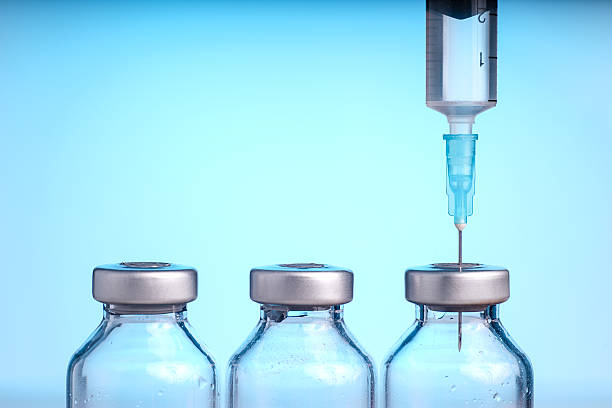
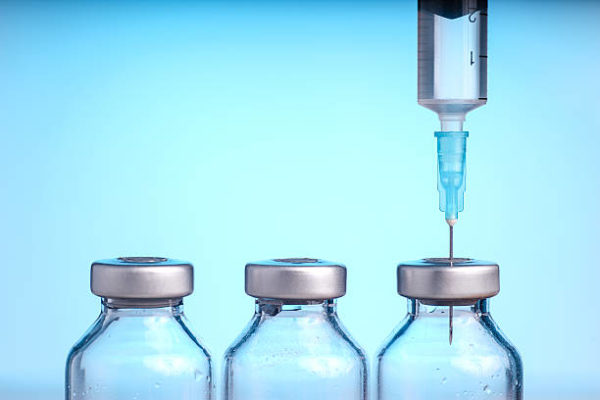
- There are several vaccines available on the market that can be used to prevent infectious causes of abortion, but vaccine supply chain issues have led to shortages in recent years.
- Uptake of EAE and toxoplasmosis vaccination is estimated to be particularly low at 23% and 26% of the national flock in 2024 by AHDB.
- Some vaccines can be used during an outbreak to reduce shedding and incidence of disease in the herd or flock.
- No vaccine provides 100% coverage, and it is crucial the instructions on the datasheet for storage and administration are followed carefully.
- Consult your vet for advice on whether you should use vaccines in your herd or flock and to develop a protocol to suit your farming system.
Feeding
- Avoid feeding mouldy feedstuffs to pregnant animals. Mycotoxins are recognised as abortive agents.
- Regularly clean feed and water troughs.
- Store feed in vermin-proof containers where possible. If feed is stored loose; ensure you have an appropriate pest control plan.
- Ensure adequate feed space is available to avoid fighting within the group.
Summary
- All cattle abortions need to be reported to APHA within 24 hours. This is a legal requirement and failure to report is an offence under the Animal Health Act 1981.
- Abortions can be caused by infectious agents, some of which can affect humans, or non-infectious agents. Investigation is highly valuable to identify the true cause, rather than making assumptions, and this information can then be integrated into the animal health & welfare plan to minimise the impact on the rest of the herd or flock.
- The diagnostic rate of abortion investigations is improved if multiple fresh foetuses, membranes and feed samples are submitted for investigation promptly with detailed herd and flock records.
Laura Henderson, SAC Consulting




Sign up to the FAS newsletter
Receive updates on news, events and publications from Scotland’s Farm Advisory Service