
Building Resilience in Your Business
15 January 2026Building resilience into your production system helps protect your business from volatility due to factors out with your control. This article outlines practical ways in which you can build resilience, avoid shortages and the resulting price increases of inputs. In a challenging operating environment of dropping milk prices, market volatility and global political instability, building resilience in your dairy business is essential.
An analysis of the farm profitability in the UK in 2018 found that only 5% of factors affecting farm profitability are out with the farmer’s control. Minimising costs was found to be the most important factor identified by the top performing farmers interviewed during the analysis.
What is Resilience?
Resilience is the ability of your business to withstand or to recover quickly from difficulties.
Electricity Resilience
Following Russia’s invasion of Ukraine in February of 2022, global energy markets were hit by sharply rising gas and electricity prices, with an increase of around 90% in the average price of non-domestic electricity. For high energy use businesses like dairy farms, this extra cost can mount up and put the business’s cashflow under pressure.
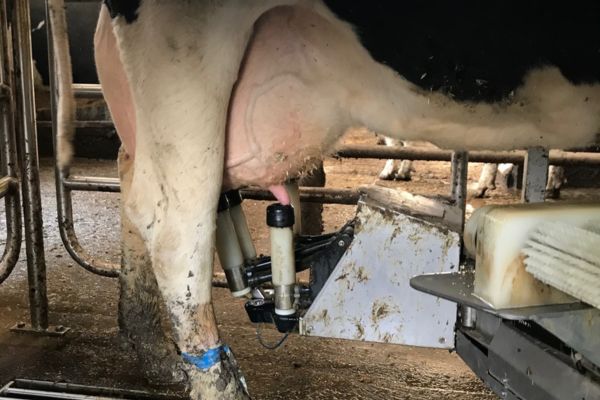
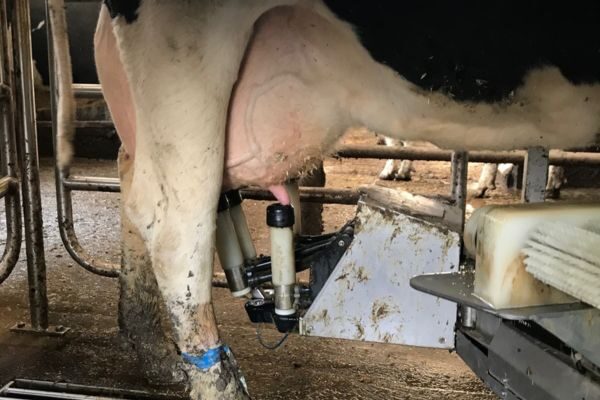
Reducing your electricity use through the adoption of energy-efficient technologies can help offset these pressures. For example, installing a variable speed vacuum pump in the parlour reduces electricity use by up to 60%, when compared with a set speed pump. Heat recovery units and proper pipe insulation can also reduce heat loss and therefore lower electricity use for heating. These technologies can also provide labour savings and benefit the health and welfare of your animals. The table below gives you a quick overview of the potential benefits to your business.
Table 1. Potential benefits of Energy Efficient Technologies
| Energy efficient technologies | Electrical | Labour | Health & Welfare |
|---|---|---|---|
| Heat recovery systems | x | ||
| High efficiency lights/bulbs | x | x | |
| High flow rate plate cooling systems | x | ||
| Insulation of water heaters | x | x | x |
| Optimising bulk milk tank cleaning systems | x | x | |
| Optimising bulk milk tank compressors | x | x | |
| Optimising milking parlour cleaning systems | x | x | x |
| Optimising plate cooling systems | x | x | |
| Timer switches | x | x | x |
| Variable speed vacuum pumps | x |
In addition, to the measures above, a recent Rural Round Up episode on FAS sounds featured dairy farmer Glen Neilson of Park Farm near East Kilbride He discussed the cost and benefits of installing a solar PV and battery system to reduce energy costs and reduce their businesses vulnerability to volatility in energy costs. Listen here:
Fertiliser & Feed Resilience
Fertiliser and feed are other inputs that we have seen cost fluctuations in, due to international markets. Following the invasion of Ukraine, fertiliser prices increased by between 158% and 250% depending on the product. Feed prices also rose during this period by 38% to 50%. This can have a negative impact on farm finances particularly for the higher input dairies.
Maintaining good soil health by ensuring pH’s are kept up at around 6.5 and managing soil structure and drainage , are all things farmers can do to increase forage yields. It also helps to ensure that the fertiliser applied is fully utilised by the crop and not lost to leaching.
Compaction and Drainage
- Compacted soil can increase fertiliser run off by 60%,
- Fixing compaction can increase yields by 15–35%.
- Research at Crichton Royal Farm in Dumfries over a period of three years has shown a reduction in grass yield of over 14% from machinery trafficked fields and over 11% for cattle trampling.
- Waterlogging has been shown to reduce yields by up to 33%
Soil pH
- Annual grass production can be increased by 1.0 to 1.5 tonnes of grass dry matter (DM)/ha where soil pH was increased from pH 5.5 to 6.3.
- Research in Ireland has found that for every €1 invested in lime, farmers can expect a return of between €6 and €10 in boosted grass yield and increased nutritional quality of the grass.
The above measures all help to boost grass yield and quality, reducing the need for purchased fertiliser and feed. Reducing your reliance on inorganic fertiliser and purchased feed reduces the effect of volatility in the prices of these commodities on your business.
Summary
The methods outlined above in this short article will help to reduce your costs by reducing your reliance on electricity, feed and fertiliser. Limiting the impact of market volatility in these commodities on your business.
James Orr, SAC Consulting ; James.Orr@sac.co.uk
Further Information
Improving the Resilience of Dairy Farms | Department of Agriculture, Environment and Rural Affairs
The Rural Roundup | Helping farmers in Scotland
Improving soils for Better Returns | AHDB
Improving pasture for Better Returns | AHDB
Now is a Good Time to Apply Lime to Grassland - Teagasc | Agriculture and Food Development Authority
The characteristics of High Performing Farms in the UK | AHDB

Sign up to the FAS newsletter
Receive updates on news, events and publications from Scotland’s Farm Advisory Service