
Heat Lamps for Neonate Calves
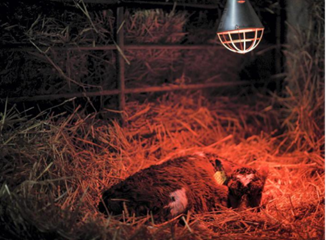
17 December 2025Rearing strong calves is key to business efficiency and profitability. Neonatal, low birth weight, or sick calves have a reduced capacity for thermoregulation. Heat lamps can be used to mitigate cold stress and increase growth rates and immunity.
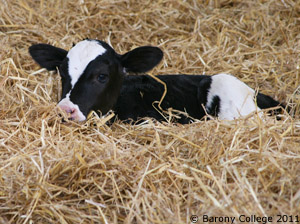
Calves are the future of a dairy herd and providing them with the best start in life is a key driver of business efficiency and profitability. A healthy replacement heifer will go on to achieve higher milk yields in her first lactation, face fewer health challenges and have an increased herd longevity. As the milk price falls, having strong beef cross calves to sell can bring reliable, additional income to the business.
Calf body temperature
Whilst colostrum management, nutrition and hygiene are the backbone of calf rearing, a calf’s ability to regulate their body temperature can directly affect growth rates and immunity. During colder weather, calves use more energy to stay warm. Neonatal calves are most susceptible to a change in temperature, as they are born with limited fat reserves, an immature thermoregulatory system and have a lower critical temperature of 10-15°C, depending on airspeed. Calves older than 3 weeks of age have a lower critical temperature of 5-10°C, again depending on airspeed.
Heat stress has been linked to an increased risk of enteric diseases such as scour induced by cryptosporidium , coccidiosis and bovine respiratory disease. These are leading causes of morbidity and mortality in the calf shed. A cold, damp shed will impair a calf’s ability to clear respiratory pathogens and increase cortisol levels, which can reduce immunity. Low temperatures have also been linked to reduced immunoglobin absorption efficiency from colostrum. Recent studies have shown that heat stress can increase a calves energy requirement by up to 30% during harsh weather conditions. Without providing supplementary heat sources, the additional energy must come from feeding a larger volume of milk or increasing milk powder inclusion rates, otherwise growth rates and immunity will suffer.
Supplementary heat
Many farms provide supplementary heat during the winter months through the use of jackets to maintain thermal comfort during the early weeks of life. A study conducted through AHDB randomly allocated calves on 60 farms to receive a health plan with interventions or no advice, as a control. The results of the study showed that calves that were allocated a 1kW heat lamp had improved growth rates of up to 90g/day. The use of jackets was not significantly linked to improved daily liveweight gains.
Heat lamps must be installed in strict accordance with the manufacturer’s specifications and relevant electrical safety standards, including correct mounting height and secure fixings, to minimise the risk of contact with calves and flammable bedding materials. Due to the inherent fire risk associated with heat lamps, they must be hung using purpose-designed chains and safety clips, improvised materials such as baler twine or wire must not be used. All installations should be carried out or checked over by a suitably qualified electrician to ensure compliance with electrical safety requirements.
Optimal effectiveness of heat lamps is achieved when they are used in combination with deep, dry straw bedding, which provides insulation at calf level. Calves must have the ability to move away from the heat source at all times to prevent overheating. Supplementary heat should be prioritised for neonatal, low birth weight, or sick calves, as these animals have a reduced capacity for thermoregulation, particularly during periods of cold stress.
Photo Credit: Irish Farmers Journal
Keira Sannachan, SAC Consulting

Sign up to the FAS newsletter
Receive updates on news, events and publications from Scotland’s Farm Advisory Service