
Managing Arable Crops for Soil Carbon
This article draws on insights from the LUNZ Hub “Talking Heads” series, based on an interview with independent soil and plant health educator Joel Williams, alongside contributions from Ellen Fay and Professor Pete Smith. It distils key lessons on how soil carbon is formed, stored, and managed in real farming systems.
Soil carbon is increasingly talked about in the context of climate change, because by increasing the amount of carbon stored in soils, farmers can play a role in reducing the greenhouse gases in the atmosphere. But for farmers, soil carbon more than a climate metric. It underpins soil structure, water infiltration, nutrient cycling, and ultimately crop performance and resilience.
Soils rich in organic carbon tend to be easier to work, better able to cope with drought or heavy rainfall, and more productive over the long term. Therefore, building soil carbon is a key part of building a more robust and profitable arable farming system.
Management During Growing Season
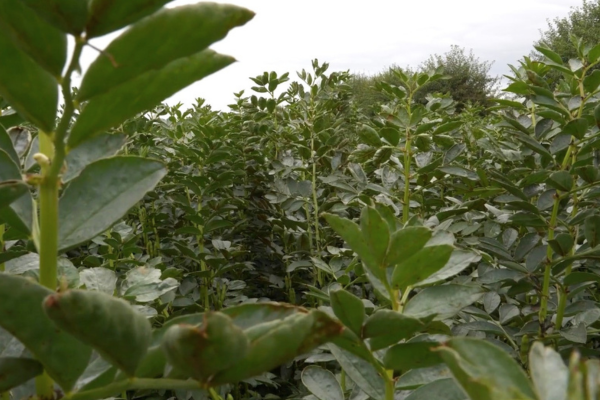
One of the clearest messages is that soil carbon starts with below-ground roots, not above-ground yield. Modern crop breeding has often favoured above-ground productivity, reducing root-to-shoot ratios and limiting carbon inputs below ground. Increasing root mass through crop choice, cover crop mixes, and integrating perennials can significantly boost soil carbon. Deeper and denser roots also improve soil structure and support biological activity.
Roots actively feed the soil by releasing sugars and other compounds (root exudates), which fuel microbial life. These microbes, in turn, form stable soil organic matter when they die. This pathway is one of the most efficient ways to build long-term carbon, especially mineral-associated organic carbon (MAOC), which is tightly bound to soil particles and resistant to breakdown. Keeping living roots in the ground for as much of the year as possible is therefore critical.

Soil Amendments
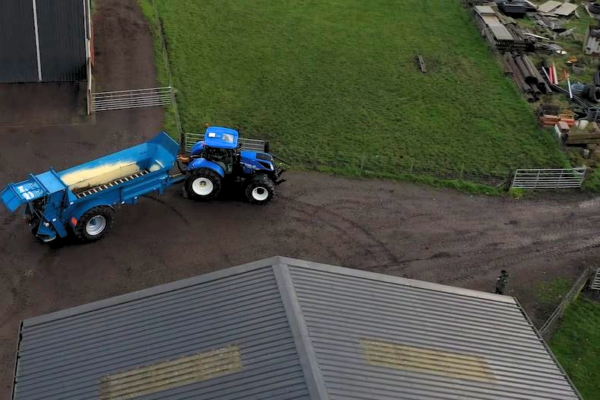
Organic amendments like compost and manure are effective at increasing soil carbon, but they often come with cost and logistical challenges. Applying excessive nitrogen fertiliser can reduce root growth and disrupt soil biology. While nitrogen is essential for crop production, overuse can lower the efficiency of carbon capture and storage in the soil. In-field strategies such as cover cropping, reduced tillage, and diverse rotations are often more scalable and sustainable. These approaches stimulate natural carbon flows and support soil biology.
Management in Between Cropping
Above-ground residues do contribute to soil carbon, but typically less than roots. Research suggests roots are around five times more likely to become stable organic matter than shoots. That said, residues still have a role, particularly in biologically active soils where earthworms and microbes incorporate them into the soil. Residue management should complement, not replace, a focus on living roots.
Bare fallows are one of the biggest losses for soil carbon. Without plants, there is no carbon input, and existing carbon is lost through oxidation and microbial activity. Introducing grass-clover or herbal leys into arable rotations can significantly build soil carbon and fertility. This “build and draw down” approach (banking carbon during ley phases and using it during cropping) can improve long-term productivity and resilience.
Other Points of Interest
Although soils have a theoretical limit to how much carbon they can store, most UK agricultural soils are well below this level. There is also untapped potential deeper in the soil profile, highlighting the importance of deep rooting and addressing barriers like compaction.
Compacted soils restrict root growth and limit carbon storage at depth. This is a widespread issue across farming systems. While deep-rooting plants offer a long-term solution, targeted mechanical intervention (e.g. subsoiling) may be needed initially, followed by biological management to maintain structure.
For carbon to stay in the soil, it must be stabilised, either chemically (bound to minerals) or physically (protected in aggregates). Practices that protect soil structure (such as reduced tillage and continuous cover) are key to maintaining these stable carbon pools.
Looking Ahead
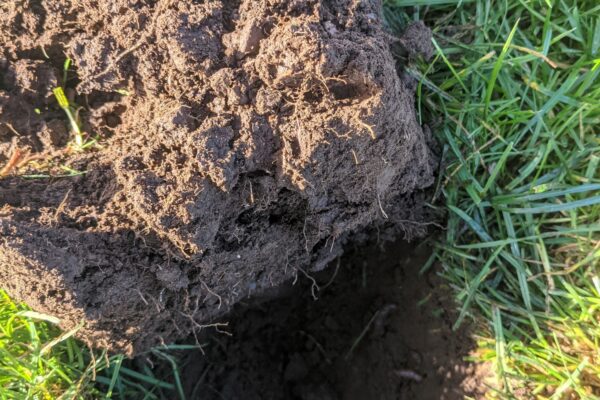
As carbon markets and environmental schemes continue to develop and scale up, having a baseline is important. Tracking changes over time using simple tools or platforms can help demonstrate progress and open up future opportunities. You don’t need lab tests to assess soil health: simple in-field tests such as infiltration rates, earthworm counts and visual evaluation of soil structure can give a good indication of soil function and carbon dynamics. These practical indicators reflect the biological and physical processes that underpin soil carbon.
Key Takeaways for Farmers
- Prioritise living roots and root biomass where possible, as they are the main driver of carbon storage
- Avoid bare soils and minimise unnecessary disturbance
- Use diverse rotations, cover crops, and (where relevant) perennial leys
- Address compaction to unlock deeper carbon storage
- Monitor soil health using simple, practical field indicators
This article is based on insights from the Land Use for Net Zero Hub (LUNZ) Soil Health and Carbon Dynamics community, drawing on an interview with Joel Williams, with contributions from Ellen Fay and Professor Pete Smith.
Brady Stevens, SAC Consulting






Related articles
Carbon and Mitigation


Crops and Soils



Sign up to the FAS newsletter
Receive updates on news, events and publications from Scotland’s Farm Advisory Service