
Managing Corncrake Cover – Get Advice on your Smartphone
3 December 2025In Scotland, particularly in the islands and some mainland areas, corncrakes are an iconic species. Their distinctive "crex-crex" call is woven into the cultural history of crofting and traditional farming landscapes.
If you’d like support with helping corncrake, you can request a free virtual consultation with a corncrake advisor through the Corncrake Cover Advice service. This service helps farmers and crofters across Scotland and can be accessed directly from your phone. You can even upload photos of your fields to receive personalised, practical guidance.

Why Corncrake Cover Matters
Suitable cover is essential for corncrakes, providing protection from predators while they nest and raise their chicks.
Early-season cover (April–May) is crucial for birds returning from their wintering grounds.
Late-season cover offers safe refuge for adults and chicks once silage cutting begins and fields are mown.
Maintaining high-quality corncrake cover can be challenging. The birds rely on tall, dense vegetation throughout the breeding season. However, competition between plants often leads to valuable cover species, such as nettles and flag iris, being smothered by thick, matted grass swards.
Inspirational Case Studies
Scuddabrugh Farm
Scuddaburgh farm spans over 170ha on the Isle of Skye and runs a 200-ewe flock. The farm currently has 14.5 ha of land under corncrake management in an Agri-Environment Climate Scheme (AECS). The land used for corncrake management is split between mown grassland and corncrake cover.
The video below captures the habitat being created.
Hear more of Scuddaburgh’s corncrake cover establishment here:

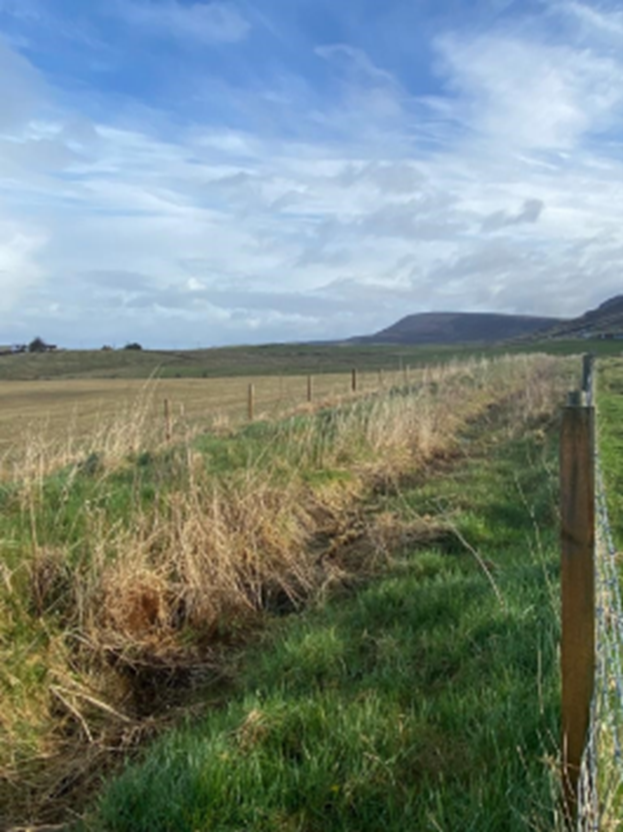
Figure 1. One of Scuddaburgh’s Corncrake cover patches (April, 2022)
With the help of a corncrake advisor, the corncrake cover was improved and is now a great example of an easy to manage area. The cover area has been fenced off preventing livestock from grazing the vegetation, while still allowing the area to be topped using an ATV flail mower later in the season. More nettles and suitable cover plants can be seen in the below photo however they will require ongoing maintenance.
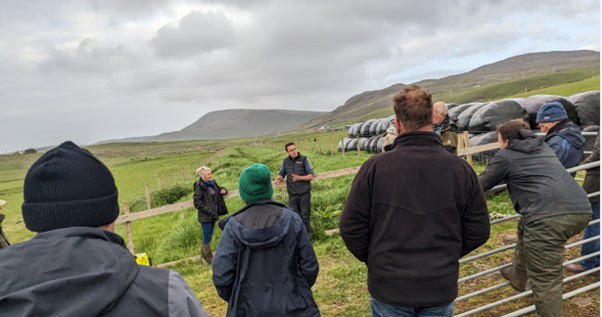
Figure 2. The Biodiversity Skye group, who all croft and farm in a High Nature Value system, accompanied by a group from Ireland.
Monkstadt Visit
At Norman Budge’s Croft at Monkstadt on the Isle of Skye, Shelagh Parlane, corncrake advisor from the RSPB, provided advice on how to improve the cover and encourage more corncrakes in cover established in 2024.
| Common Issues | Solutions | |
|---|---|---|
| Matted/Thatched swards | Run a grass harrow through the cover area to pull up matted swards and allow other vegetation to come through or graze with cattle (which will also provide organic matter). | |
| Suitable vegetation becoming sparse | Manure not suitable to put through a spreader e.g., contains stones, is ideal to put in a cover area to encourage vegetation such as nettles. Alternative organic matter such as a burst silage bale is also ideal. | |
| Competition from weeds | Unwanted weeds in cover areas can create competition between vegetation. Look for advice on spot spraying and, if in an AECS contract, check the regulations. |
No matter what stage you are at, whether thinking of applying for an AECS, or currently managing under an AECS, or simply wishing to help corncrake to flourish, this service can help you keep the habitat attractive to corncrakes.
Christina Macinnes, SAC Consulting
Janette Sutherland, SAC Consulting
Related Resources





Sign up to the FAS newsletter
Receive updates on news, events and publications from Scotland’s Farm Advisory Service