
Articles
Are you missing out on milk payments?
Meeting milk contract requirements is often talked about to maximise milk price and with greater incentives over the last few years on fat and protein content, especially for farmers on…
Read More >
Evaluating Soil Quality and Testing for Soil Health Status
At grass roots level SAC consultants are noting a growing interest in soil health from farmers and increasing numbers of questions about what SRUC can offer. Soil health is not just about having a good biological system (lots of worms, ample beneficial microbes to keep the pathogens in check) there are also physical and chemical aspects, and to have soil in ‘good heart’ you need the biology (biodiversity), physics (structure) and chemistry (pH and nutrients) in balance.
Read More >
Tackling Soil Compaction to Reduce Fertiliser Costs
Dairy farmers across Scotland often rely on fertiliser to ensure that they grow enough grass to meet the needs of their livestock. However, fertiliser prices have soared recently, which will…
Read More >
Considerations For Outwintering Spring Calving Suckler Cows
Outwintering spring calving suckler cows has many advantages. It can reduce keeping costs, saving on bedding and feed if forage stocks are tight and free up shed space. It can also help manage body condition, especially if cows are fit going into the winter. However, careful management is required to ensure that cows do not lose too much condition before calving.
Read More >
High Dry Matter Silages for Suckler Cows
Analysis of this year’s beef and sheep silages through SRUC’s Analytical Laboratory show some very high dry matter silages, particularly for bales, and these can bring some challenges for managing…
Read More >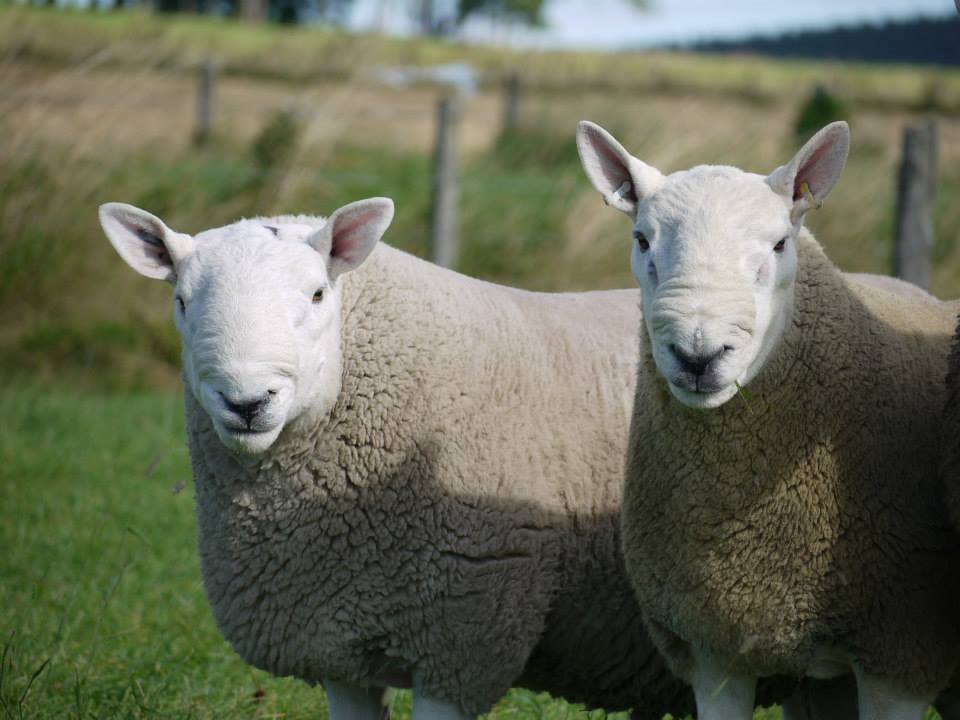
Winter Rotational Grazing The Ewe Flock
Winter is a great time for rotational grazing sheep as we know the likely grass growth (very little) and we can ration grass allocation to the pregnant ewe. Those that have found their ewes are gaining condition during the winter may also find that rotational grazing helps keep them under control, so they are not too fat come lambing time.
Read More >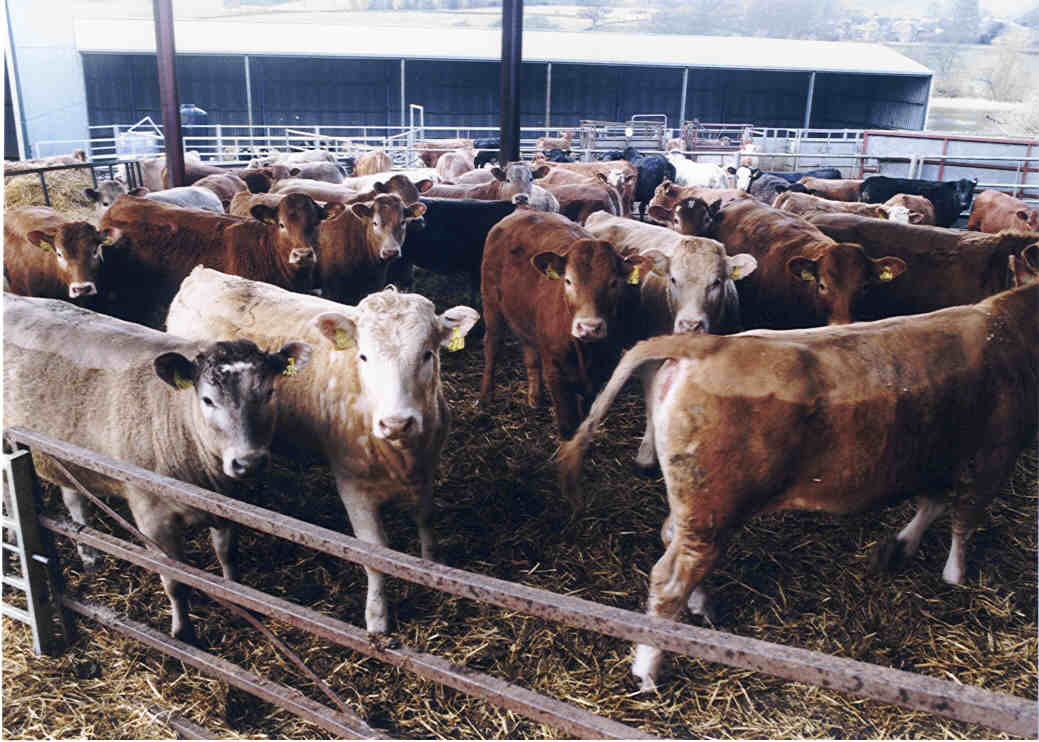
Balancing Silage For Growing/ Finishing Cattle
Silage quality is variable, 1st cut beef and sheep pit silage is on average slightly higher in energy, however, is lower in crude protein compared to 2nd cut. This is similar in 2nd cut bales which have also analysed higher in protein compared to 1st cut bales.
Read More >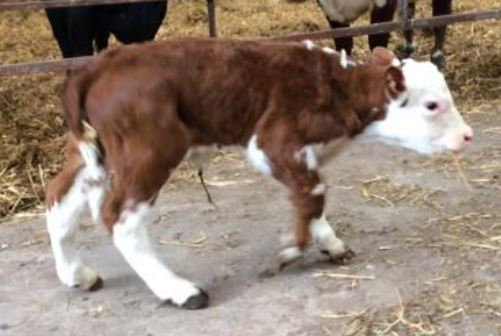
Are You At Risk Of Long Bone Deformity?
Long bone deformity appears to have a higher occurrence amongst beef suckler herds. Calves are born with a dwarf like appearance as a result of the shortening of the long…
Read More >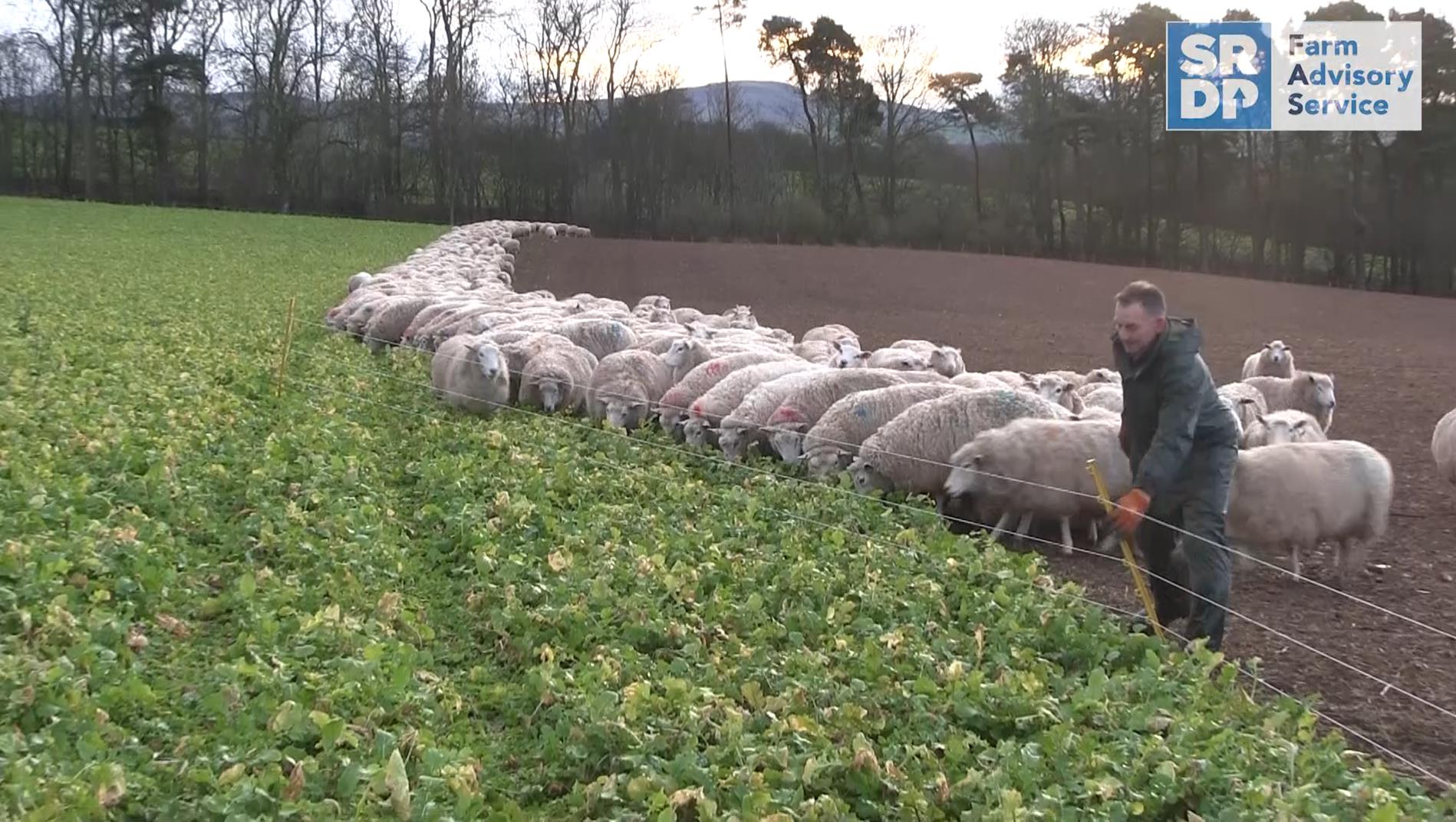
Health Issues To Look Out For When Grazing Forage Crops
When it comes to utilisation, the main health concerns for forage crops are as follows: In other words, the key measures to reduce risk involve careful transitioning, targeted mineral supplementation…
Read More >
Dealing with Rocketing Fertiliser Prices
Given the recent hike in fertiliser prices, there has never been a more pressing need to investigate your soil’s nutrient status for better targeted use of organic manures and to…
Read More >Sign up to the FAS newsletter
Receive updates on news, events and publications from Scotland’s Farm Advisory Service