
Articles
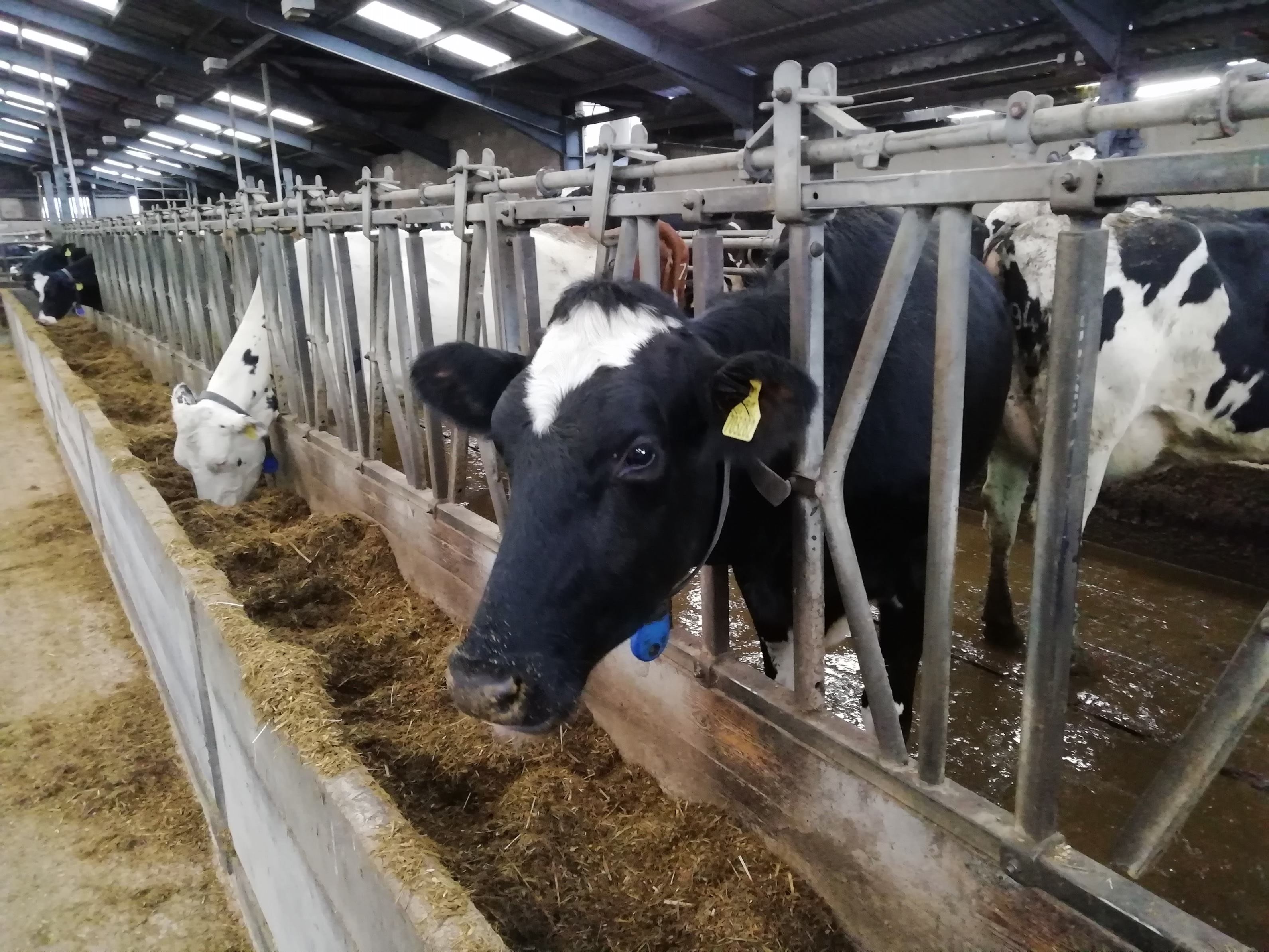
Risks With High Dry Matter Silages This Winter
Analysis of this year’s dairy silages through SRUC’s Analytical Laboratory show average dry matters in the early 30’s for both 1st and 2nd cuts: However, a number of samples were…
Read More >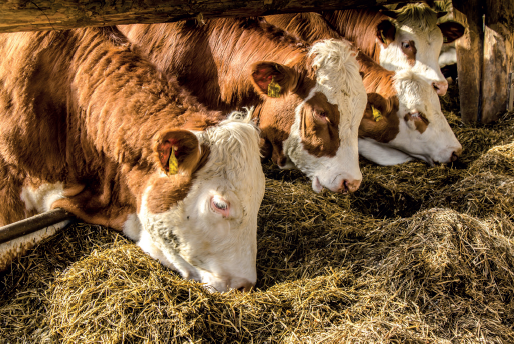
Suckler Cow Rations – Things To Consider This Winter
Spring calving sucklers in fit/good condition (>BCS 3) can generally be kept on lower quality forage, as their requirements are close to maintenance throughout most of the winter-feeding period.
Read More >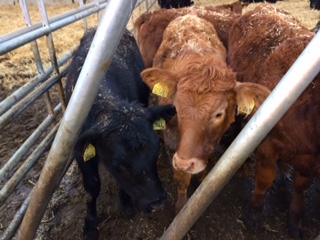
Weaning Calves – Reducing the Stress
Beef production is an annual cycle, with it now being the time of year again when producers will be weaning calves. Weaning is a stressful time for both calves and cows breaking the maternal bond and changing diets. Weaning is the most stressful time of an animal’s life after birth. But there are strategies beef producers can take to reduce weaning stress and the effect on performance associated with weaning.
Read More >
Reviewing your Concentrate use per Litre
Concentrate use per litre is a key measure of feeding efficiency in the dairy cow. The less concentrate required for a given level of milk production with the more milk…
Read More >
Getting Ready for Winter – Hauling Straw
Good weather in September has meant harvest has progressed well across the countryside but there are concerns among livestock farmers of straw supplies (there are mixed reports of straw yields)…
Read More >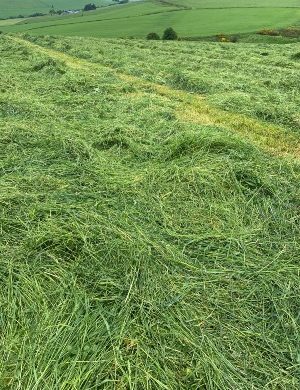
High Nitrates in Silage
Silage that has had a late application of fertiliser or that was cut during the drought conditions this summer can contain elevated levels of nitrates. This can have a direct effect on the silage quality, particularly the fermentation resulting in reduced palatability and a drop in intakes.
Read More >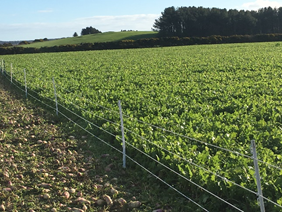
Mineral Supplementation
Forage crops are good high energy and protein feeds; however, minerals (particularly trace elements) are low in forage crops. Therefore, mineral supplementation is advised where forage crops make up a large proportion of the animal’s ration. The silage/hay fed alongside forage crops will provide some additional minerals however, forage crops are low in most of the trace elements.
Read More >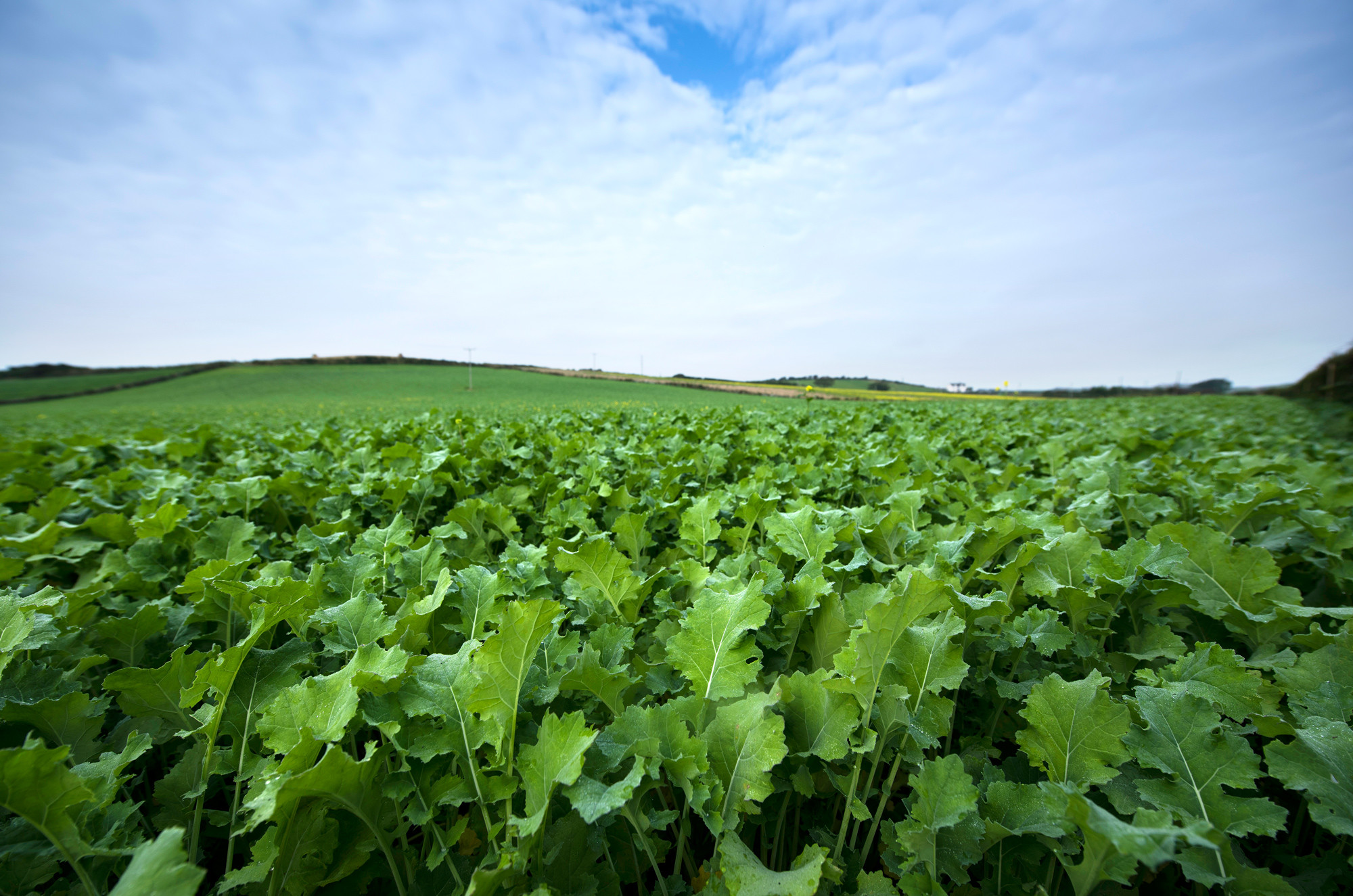
Forage Crop Supplementation – Balancing Requirements
Forage crops are good high energy and protein feeds. However, depending on the type of forage crop and the livestock’s requirements the protein content may not be sufficient.
Read More >
Autumn And Winter Grazing Considerations
Grazing management must always balance the livestock needs in the present with an eye on the future, this is particularly relevant through the autumn and winter. We know grazing too long through the winter will impact spring growth. Therefore, consider how you plan to optimise both the winter needs and spring production now.
Read More >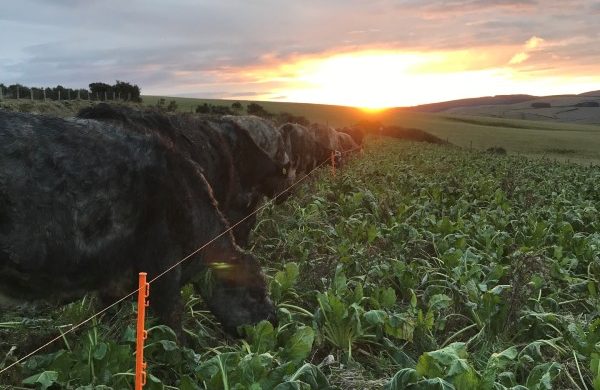
Managing The Transition Onto Forage Crops
It takes around three weeks for rumen bugs to adapt to a change in diet. If we change diet abruptly, the rumen struggles to cope and digestive upsets occur such as bloat, acidosis and/or loss of performance. If done badly, you can put the livestock off eating the crop altogether and, in severe cases, farmers have lost livestock due to poor transitioning.
Read More >Sign up to the FAS newsletter
Receive updates on news, events and publications from Scotland’s Farm Advisory Service