
Articles
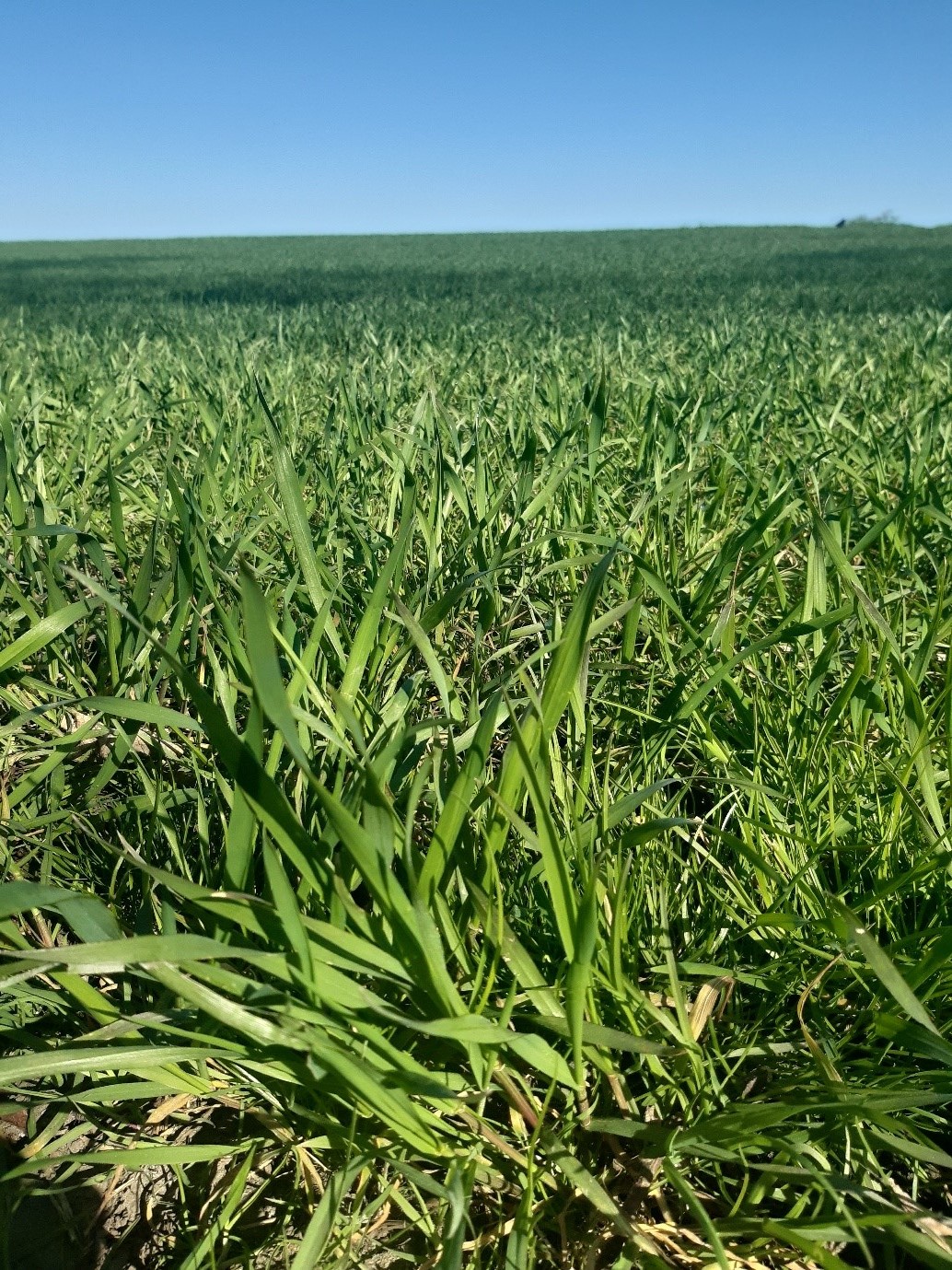
New Priorities for Wheat Management for 2021
There are a few really key changes to disease management options in wheat for this year, and layered onto this are of course the vagaries of this season’s weather. The cold dry weather means that wheat crops have rather stalled in their development and stayed low to the ground, waiting to move in to stem extension.
Read More >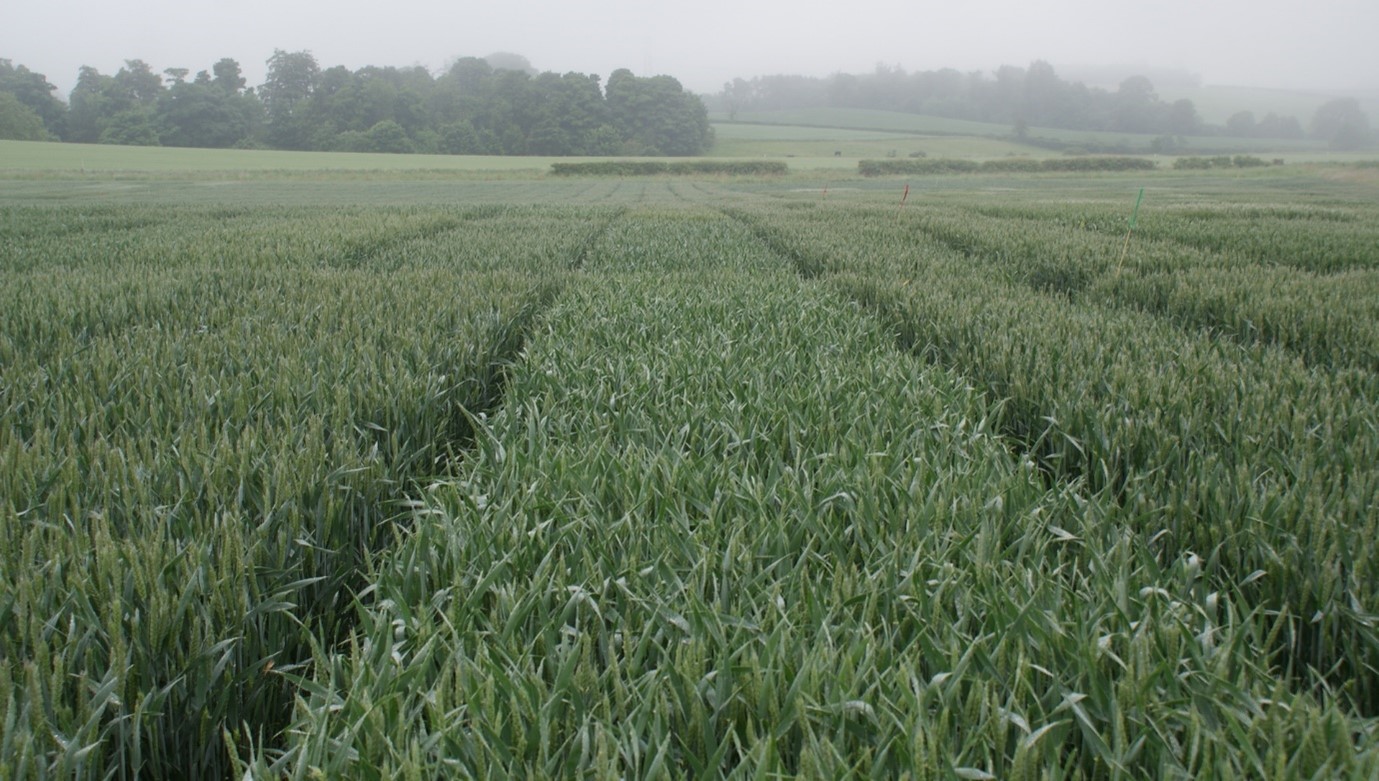
The Role of Biostimulants in IPM
The overriding principle of IPM is to manage the health of a crop holistically, rather than just to focus on individual pests and disease and then deal with them with single tools in isolation. We are used to the concept that we might try and combine interventions like rotation, tillage, varietal resistance with targeted pesticides to reduce pest and disease pressure, but the concept of trying to work with and stimulate the plants own natural processes using biostimulants is newer and less well understood.
Read More >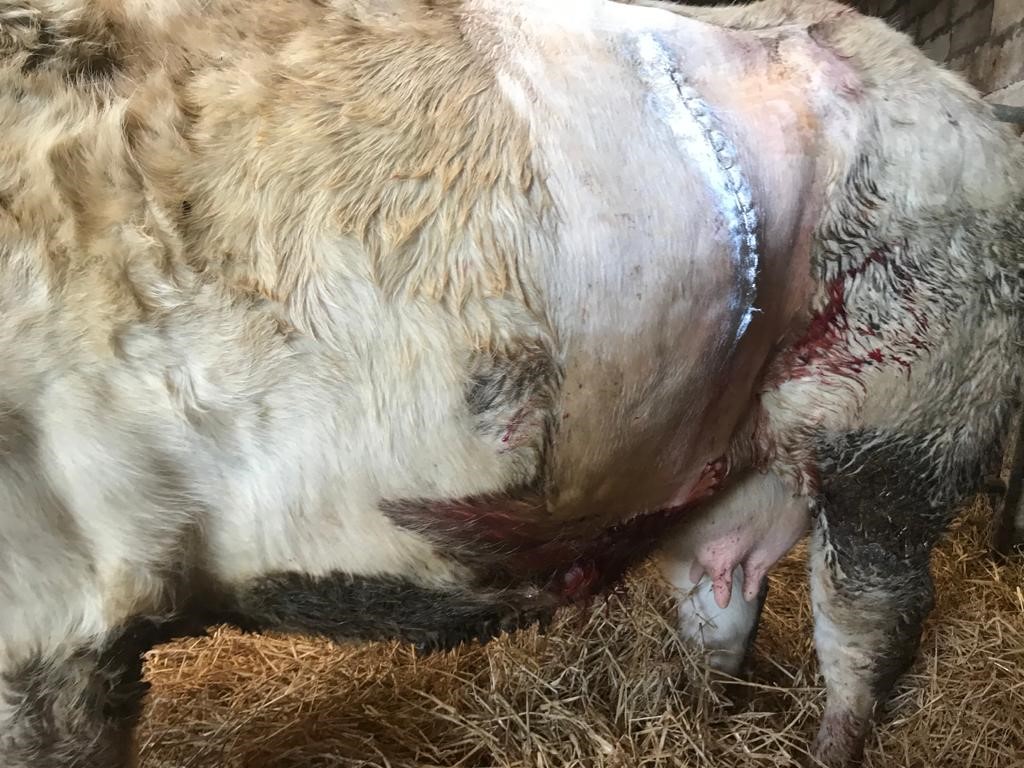
Caesarean Cows – Breed Again?
For those of you with cows that have had caesarean sections this spring, the question you may be asking yourself, is whether or not you rebreed these cows again. The likelihood of a cow getting back in calf after a caesarean is fairly high depending on how well the procedure went and the cow receiving the right aftercare.
Read More >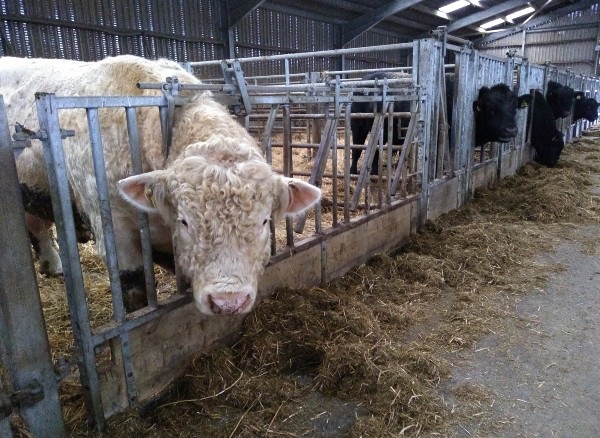
Bulling Thoughts
We may be concentrating on calving at the moment, but it is time to think about what needs to be done to ensure the bull is working when he is turned out.
Read More >Bloat In Orphan Lambs
A year of high numbers of lambs being born, inevitably means orphan lambs being reared. One of the most common reported problems for these lambs is abomasal bloat (tympany), which is caused by harmful bacteria in the stomach that feed on the lactose, which often gains entry with unhygienic conditions and hot milk.
Read More >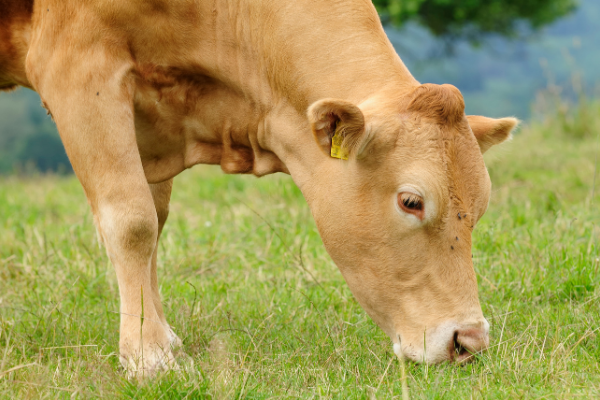
Magnesium Supplementation of Suckler Cows – Are You Covered?
As turnout approaches, now is a good time to reassess your mineral supplementation strategy for grass staggers prevention in the suckler herd (also known as hypomagnesaemia or grass tetany). Whilst access to spring grass is one of the key risk factors for lactating cows, with the high passage rate of lush, wet grass through the digestive tract reducing magnesium absorption, there are several other factors to consider.
Read More >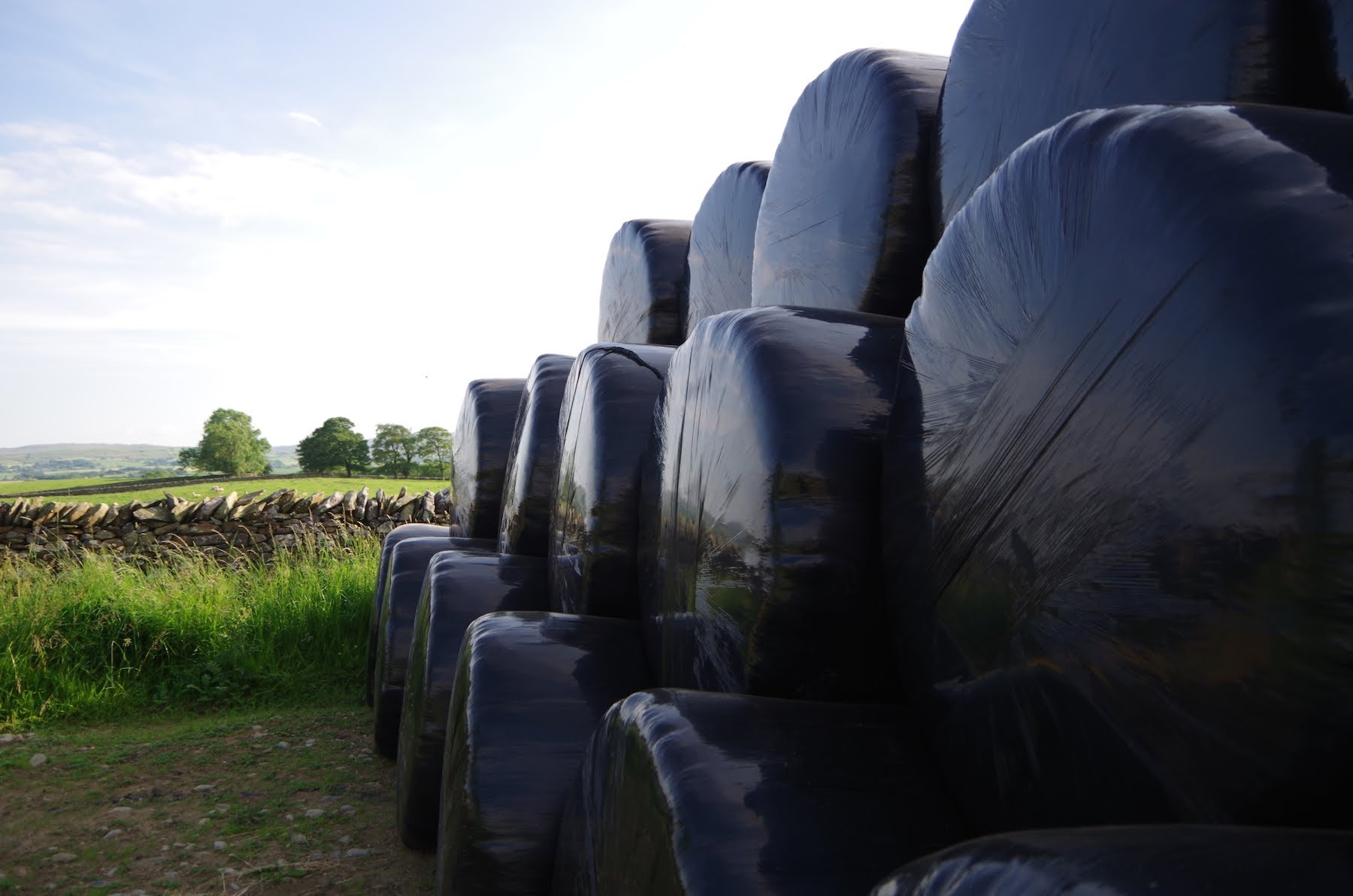
Improving Baled Silage Quality: What’s it Worth?
When buying or selling silage bales, nutritional value is rarely taken into account, but the variation in quality can be huge. Having an analysis to hand might allow you to command a better price if selling and the buyer is more aware of the silage quality they are purchasing and whether it is suitable for the class of stock it is destined for.
Read More >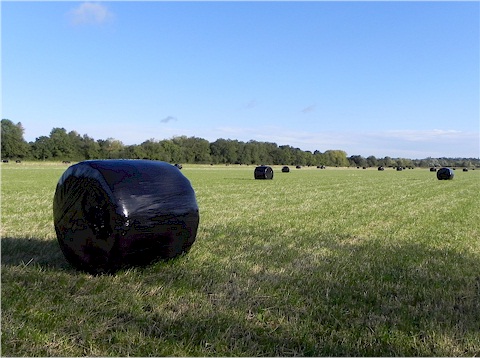
Reducing the Environmental Impact of Silage Bales
Baling silage is generally a more expensive way of making silage compared to clamp storage and silage quality tends not to be quite as good. As baler technology develops, the quality and quantity of silage in a bale is increasing. However, the environmental issue of plastic use and disposal remains a big concern with baled silage.
Read More >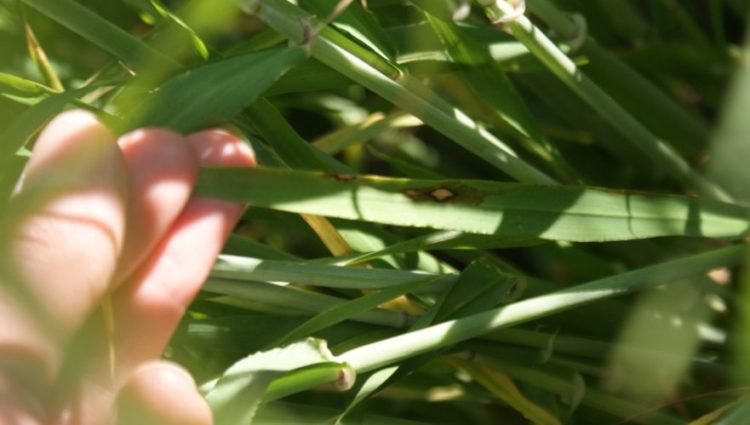
Best foot forward for spring barleys
With wet, frozen soils and areas that have been under snow cover for weeks it is hard to imagine spring barley drilling starting any time soon and already there is talk of a late start to barley drilling. Of course field operations need to be practically spread but often later drilled crop in to better seed beds have match or exceeded those in earlier situations.
Read More >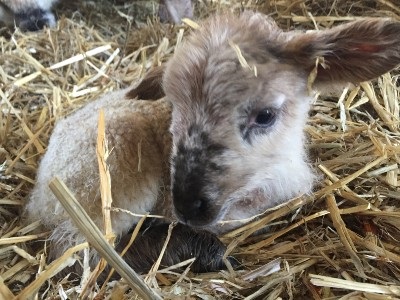
Stay Clean, Stay Safe
Most farmers will be aware that sheep and lambs can carry organisms which can be responsible for disease in humans. The specific threat to pregnant women from aborting sheep at lambing time is probably the most familiar issue. However, sheep can also carry organisms which could make anyone unwell, and it’s sensible to consider these risks as you go about your work.
Read More >Sign up to the FAS newsletter
Receive updates on news, events and publications from Scotland’s Farm Advisory Service