
Articles
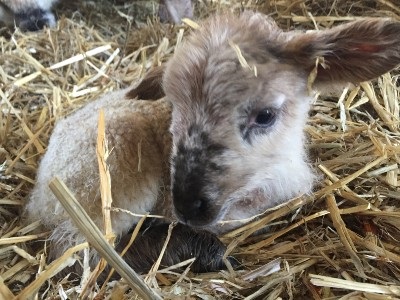
Stay Clean, Stay Safe
Most farmers will be aware that sheep and lambs can carry organisms which can be responsible for disease in humans. The specific threat to pregnant women from aborting sheep at lambing time is probably the most familiar issue. However, sheep can also carry organisms which could make anyone unwell, and it’s sensible to consider these risks as you go about your work.
Read More >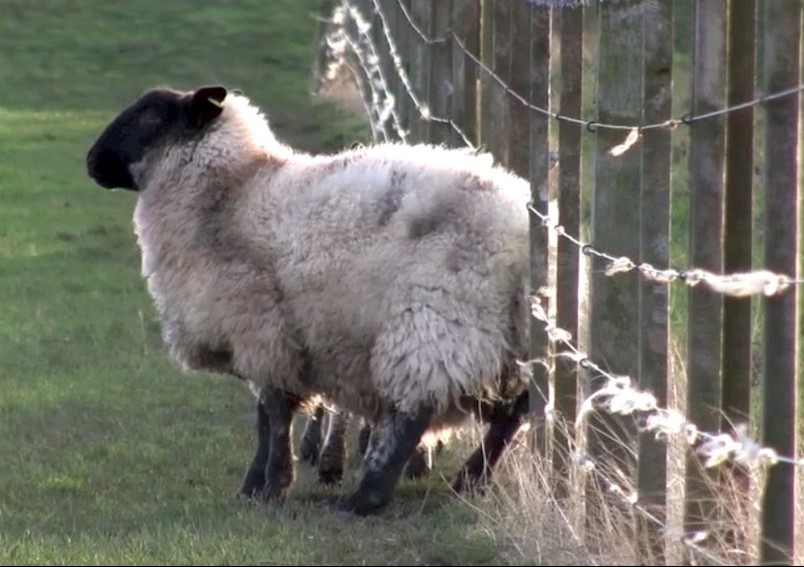
Sheep Scab Resistance – A Developing Problem
Sheep scab is thought to be the most contagious parasitic disease in sheep and has significant detrimental effects on welfare and production. It causes severe itchiness, crusting skin lesions and intense irritation in affected sheep and is often associated with marked wool loss.
Read More >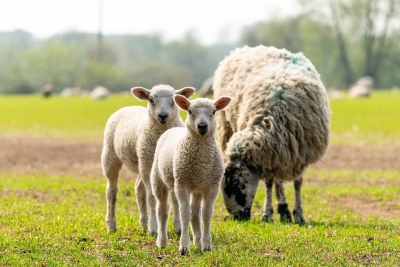
Nematodirus battus in Lambs
The life cycle of Nematodirus battus differs from other gastrointestinal worms. Development to infective larvae takes place within the egg, which allows the larvae to survive for long periods on the pasture, surviving cold or dry weather. Hatching of the larvae usually requires particular environments conditions: a period of cold weather followed by 7-10 days of temperatures over 10ºC. Nematodirus eggs on the pasture therefore survive through winter and hatch en masse in the spring.
Read More >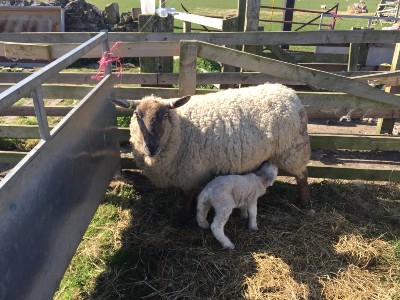
Ewe Condition Through Lactation
Many will still be amid, or looking forward, to this year’s lambing, we hope it goes smoothly, but we also want to raise awareness of how management in lactation could influence next year’s lamb crop.
Read More >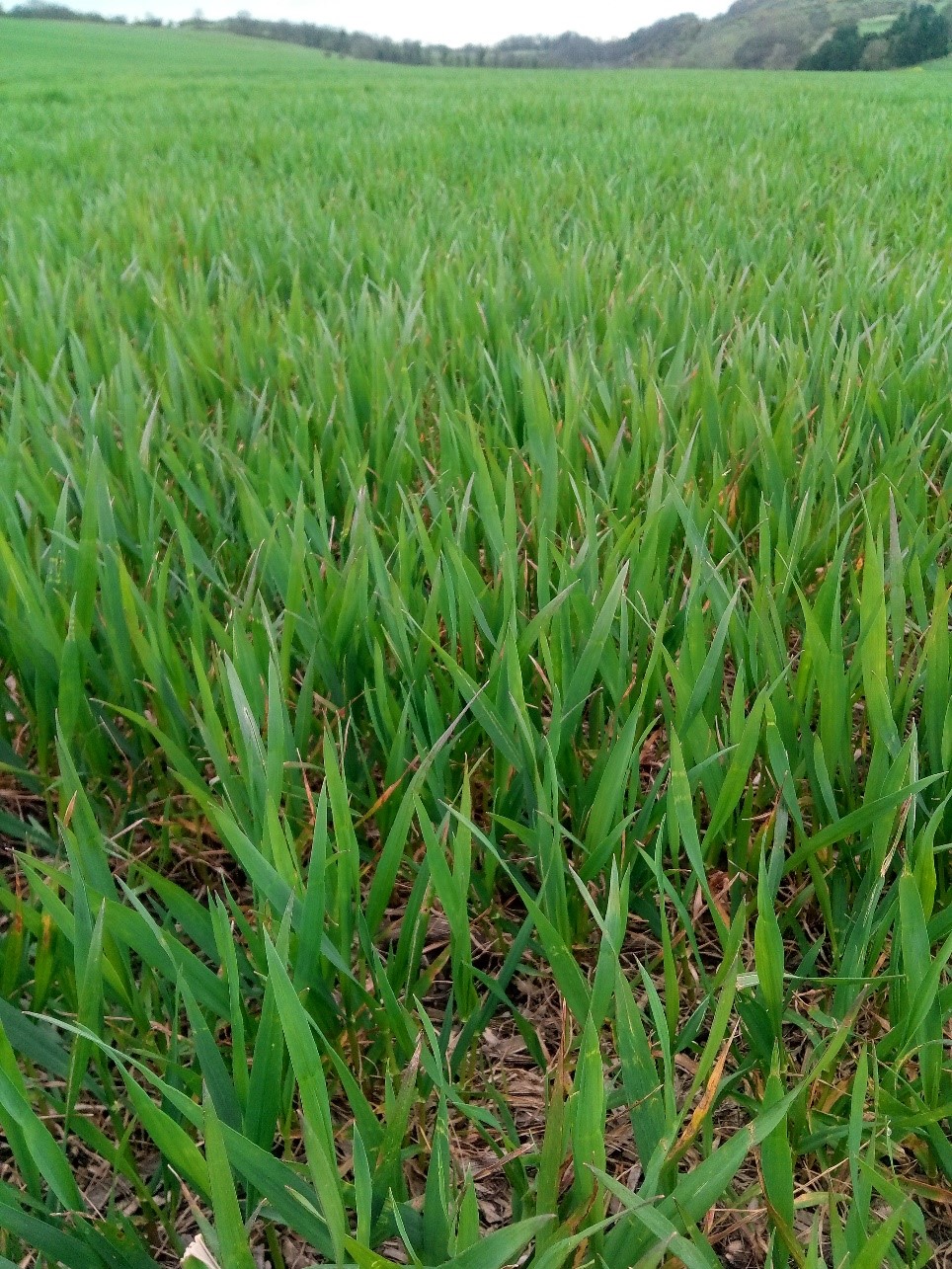
Drivers of Early Disease in Winter Wheat
Winter wheat varietal resistance to Septoria has improved for some newer varieties and the acreage drilled to very weak varieties has dropped. But at this time of year it will be the effect of drilling date that is more evident in crops that the varietal rating.
Read More >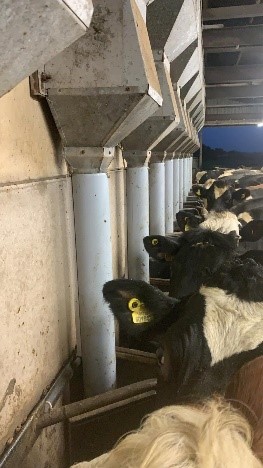
Feeding to Yield – Making Sure it is Accurate
In parlour feeding of concentrates has long been a traditional way to feed supplementary concentrates to dairy cows, with potential added benefits of encouraging cow flow into the parlour, promoting…
Read More >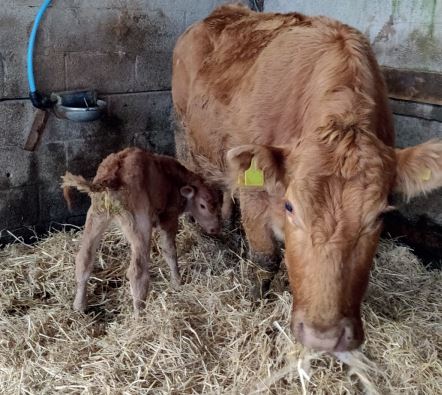
Preventing Scour In Calves
Calf scour (diarrhoea) is one of the biggest issues associated with illness, poor growth and mortality in calves. The most common causes of calf scour in the first 3 weeks of life are rotavirus and coronavirus (both viral), cryptosporidiosis (parasitic), E.coli (bacterial) and Salmonella (bacterial). An outbreak of infectious scour is costly, in terms of calf losses, treatment costs and labour.
Read More >
Lambing Time Checklist
Successful lambing is much more than what goes on in the shed or the field at the time, planning, preparation and organisation go a long way to achieving good lamb…
Read More >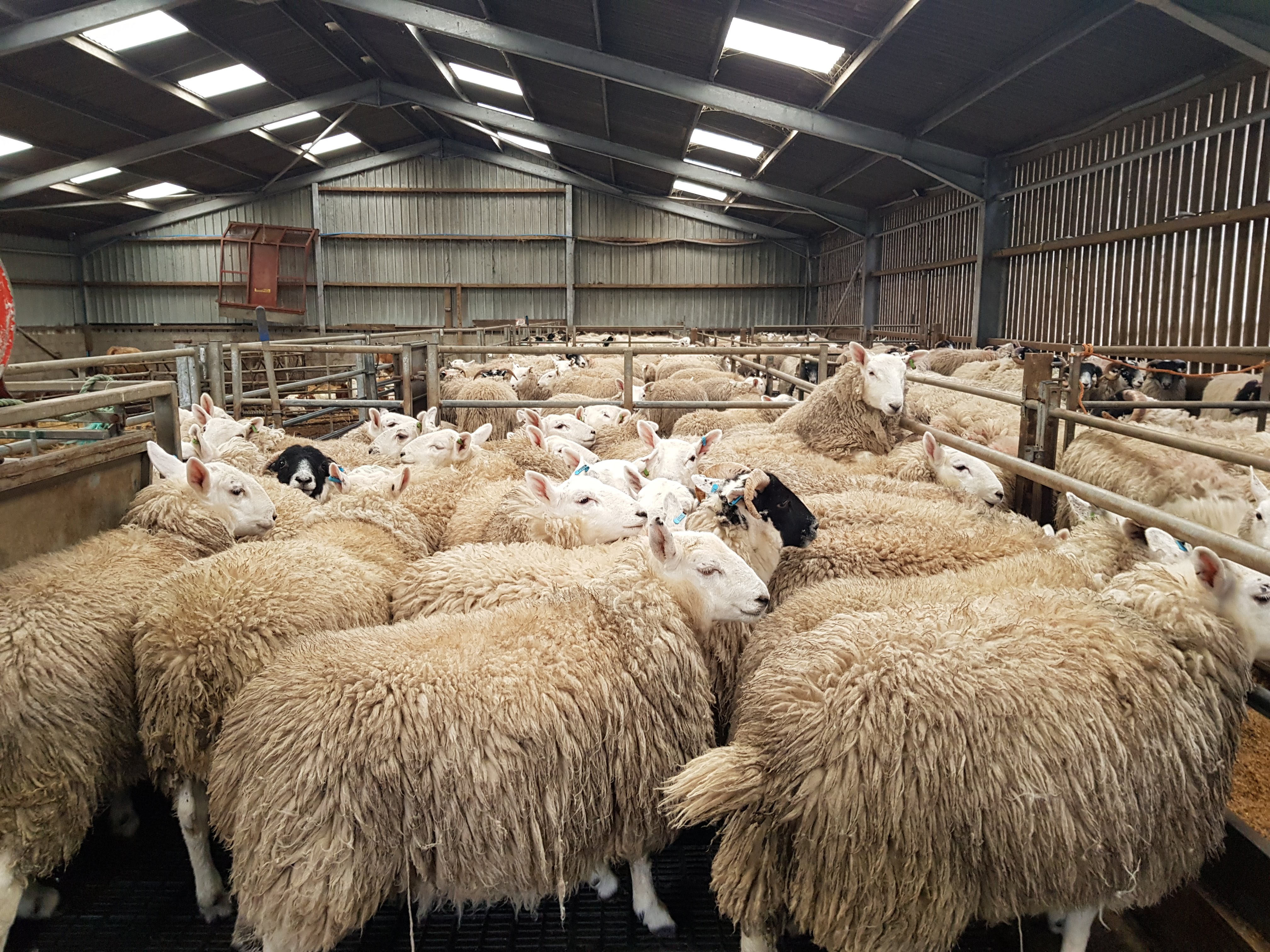
Pre-Lambing Metabolic Profiling
Blood testing ewes 3 – 4 weeks before lambing is a great way to assess how the ration being offered is feeding. It gives you the knowledge if what is being fed is sufficient and if not what adjustments can be made.
Read More >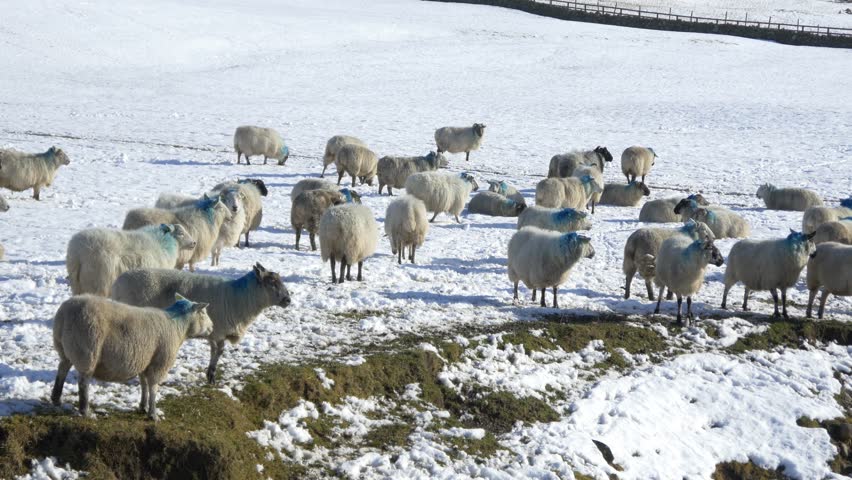
Feeding Ewes In Mid-Pregnancy Under Snowy Conditions
Reports of more snow to come are concerning particularly for those that may have already been feeding supplementary forage since December. For those lambing in March/April the nutritional requirements of the ewe are still fairly low compared to close up lambing, however it is vital to the development of the placenta during this period that ewes do not face prolonged nutritional stress.
Read More >Sign up to the FAS newsletter
Receive updates on news, events and publications from Scotland’s Farm Advisory Service