
Articles
Spring Barley – December 2020
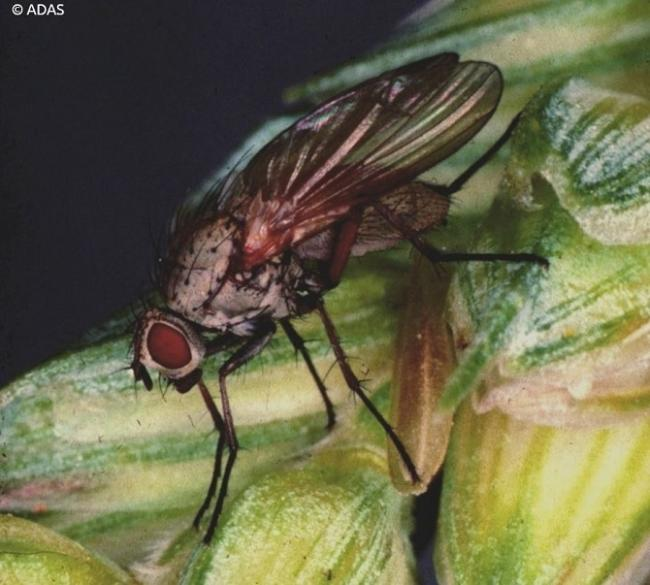
Pests Bear in mind that spring barley can get badly affected by wheat bulb fly, particularly if sown before mid-March. Crops at risk are those sown after potatoes, field vegetables,…
Read More >
Winter Wheat – December 2020
Diseases Crops are looking decidedly mixed going into the winter, with many struggling and reports on some later sown crops unlikely to emerge in waterlogged conditions. There are not many…
Read More >
Winter Barley – December 2020
Diseases Crop establishment is mixed in some areas with tillering occurring in some, but others still a bit behind. The recent frosty weather will have checked the development of any…
Read More >
Liver Fluke Risk From Silage
This year the spring and early summer were dry in many areas across Scotland. This dry weather in the first half of the year may delay problems with liver fluke (Fasciola hepatica) later in the winter.
Read More >What should your Voluntary Waiting Period be?
The Voluntary Waiting Period (VWP) is defined as the interval after calving during which producers decide not to breed cows, even if they are seen in oestrus. The VWP should…
Read More >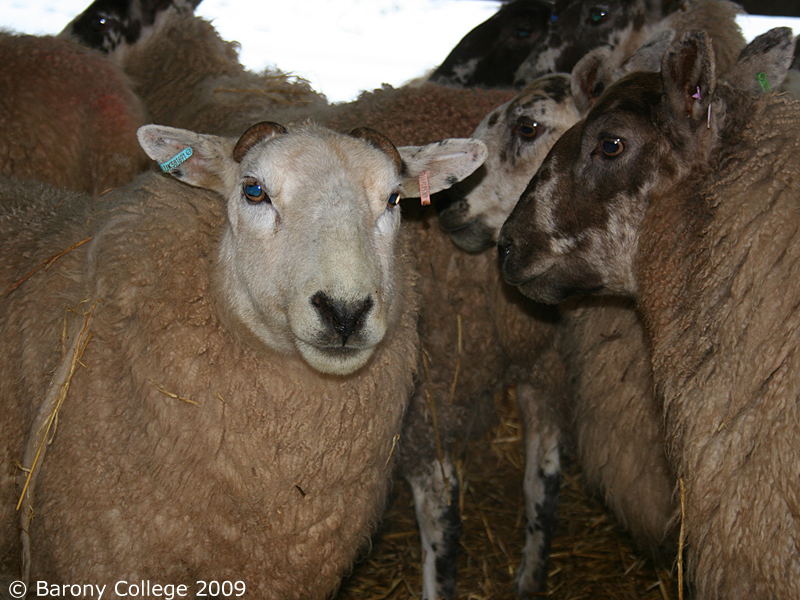
Managing Ewes In Mid-Pregnancy
After around 50 days from tup introduction with the ewes, the ewes enter a relatively resilient phase – mid pregnancy. The embryo should be implanted, and their nutritional demand is low compared with late- pregnancy. A maintenance diet, roughly 2% of their body weight in kg dry matter per day, is all that is required to maintain their condition as the pregnancy requirements are small.
Read More >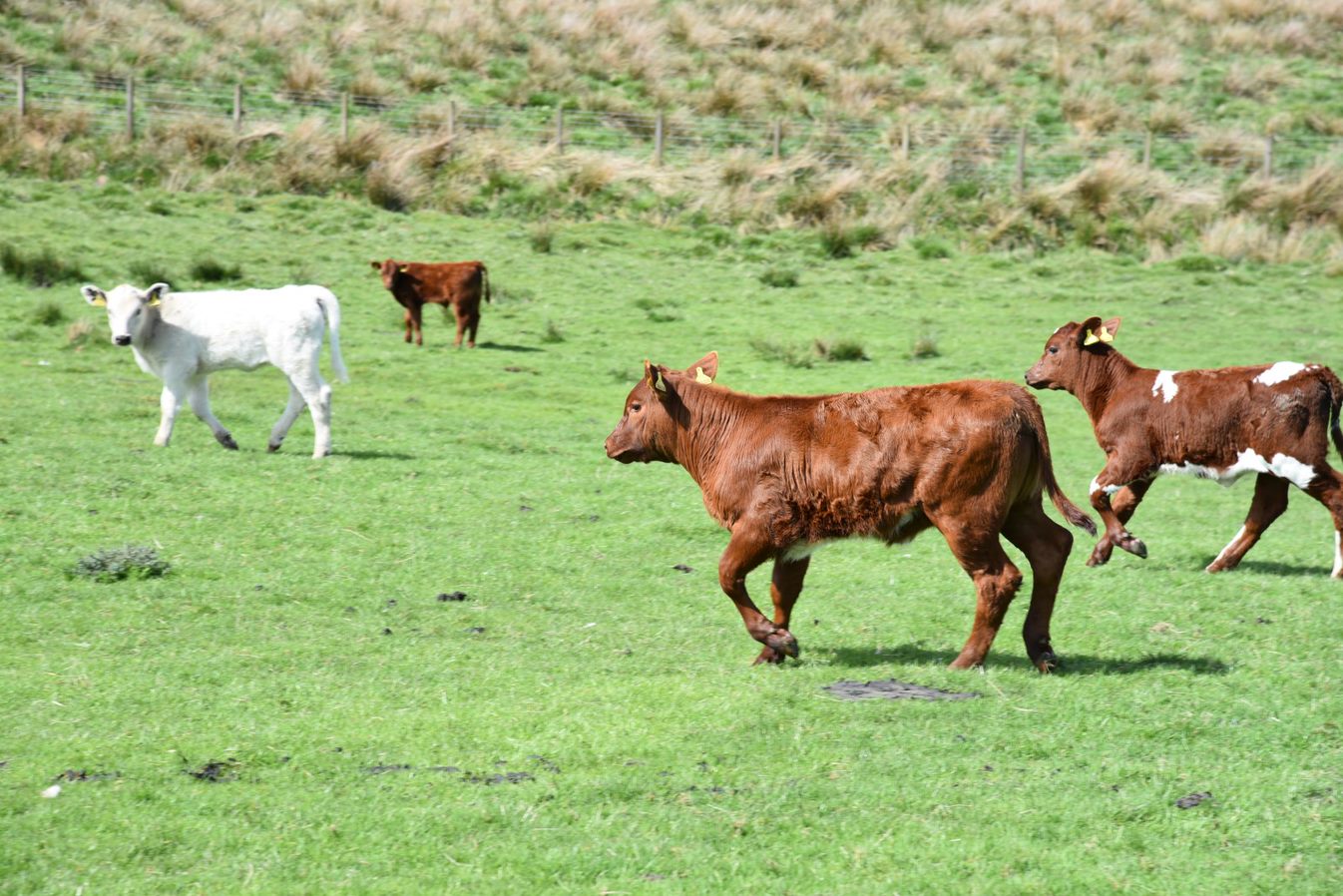
High Risk Of Unwanted Pregnancies In Heifer Calves
We are hearing some worrying reports, from vets and scanners all over the country. There have been a large number of heifer calves being found to be in calf, some of which have been bulled as early as 4 months.
Read More >
Tagging Calves – Top Tips For Successful Tag Application
Ensuring young calves are tagged correctly is an essential part of the cattle identification system. The tagging rules require young calves to be double tagged with two identically numbered ear tags within 20 days of birth. For dairy calves one ear tag must be applied within 36 hours of birth with the secondary tag applied within 20 days.
Read More >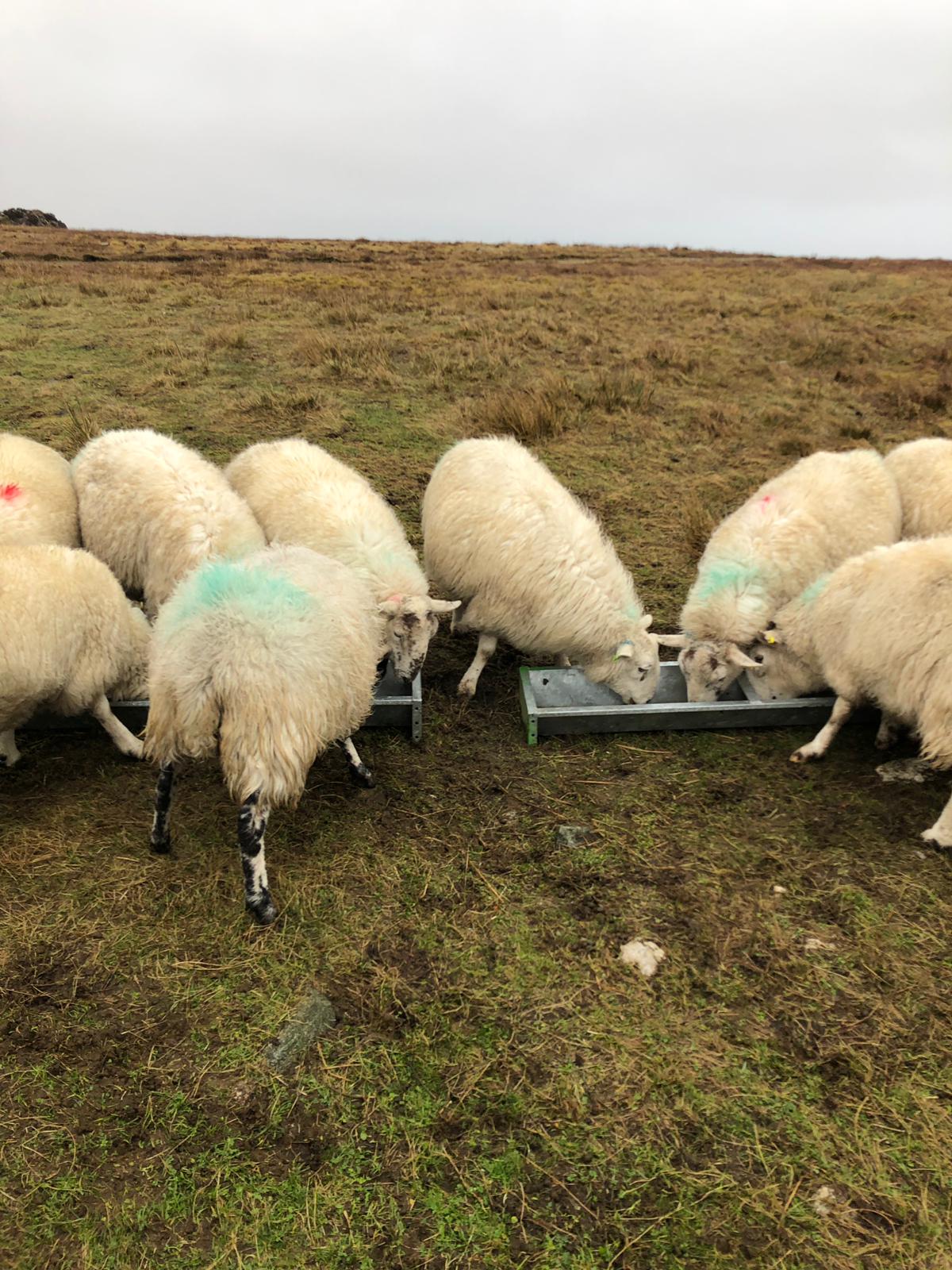
Flock Winter Management Tips
Our winters are getting wetter and milder, but snow can still catch us out. A bad winter can impact the ewes and the land for over a year. Consider and discuss extreme weather response plans now to prevent ongoing issues.
Read More >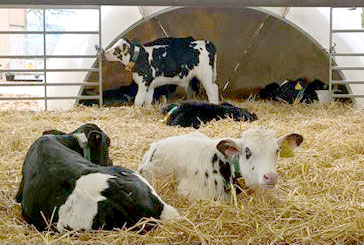
Are Your Calves Prepared for Winter?
Now is the time to consider the thermal comfort of your dairy calves as the winter months approach. The effect of cold on calf health, growth rates and future production should not be underestimated.
Read More >Sign up to the FAS newsletter
Receive updates on news, events and publications from Scotland’s Farm Advisory Service