
Articles
Making the most of Red Clover
Red clover benefits As a forage legume, red clover has the ability to fix nitrogen due to the presence of bacteria in the root nodules. During establishment and growth of…
Read More >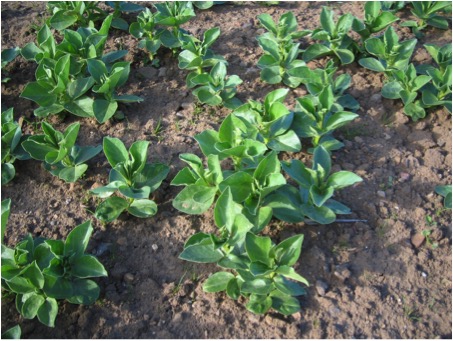
Weeds in spring beans
The variable yield of field beans is generally more due to pod set issues than weed competition. However, weeds can be a nuisance at harvest and as beans are sown…
Read More >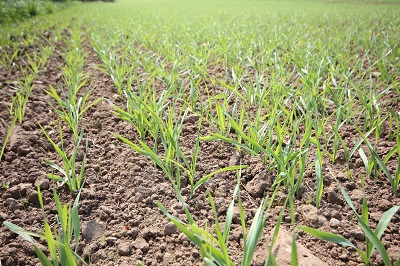
Winter crop monitoring
Winter barley Disease levels are low at the moment and crops are generally looking well. Where disease does establish early then a T∅ spray at mid-tillering is an option to…
Read More >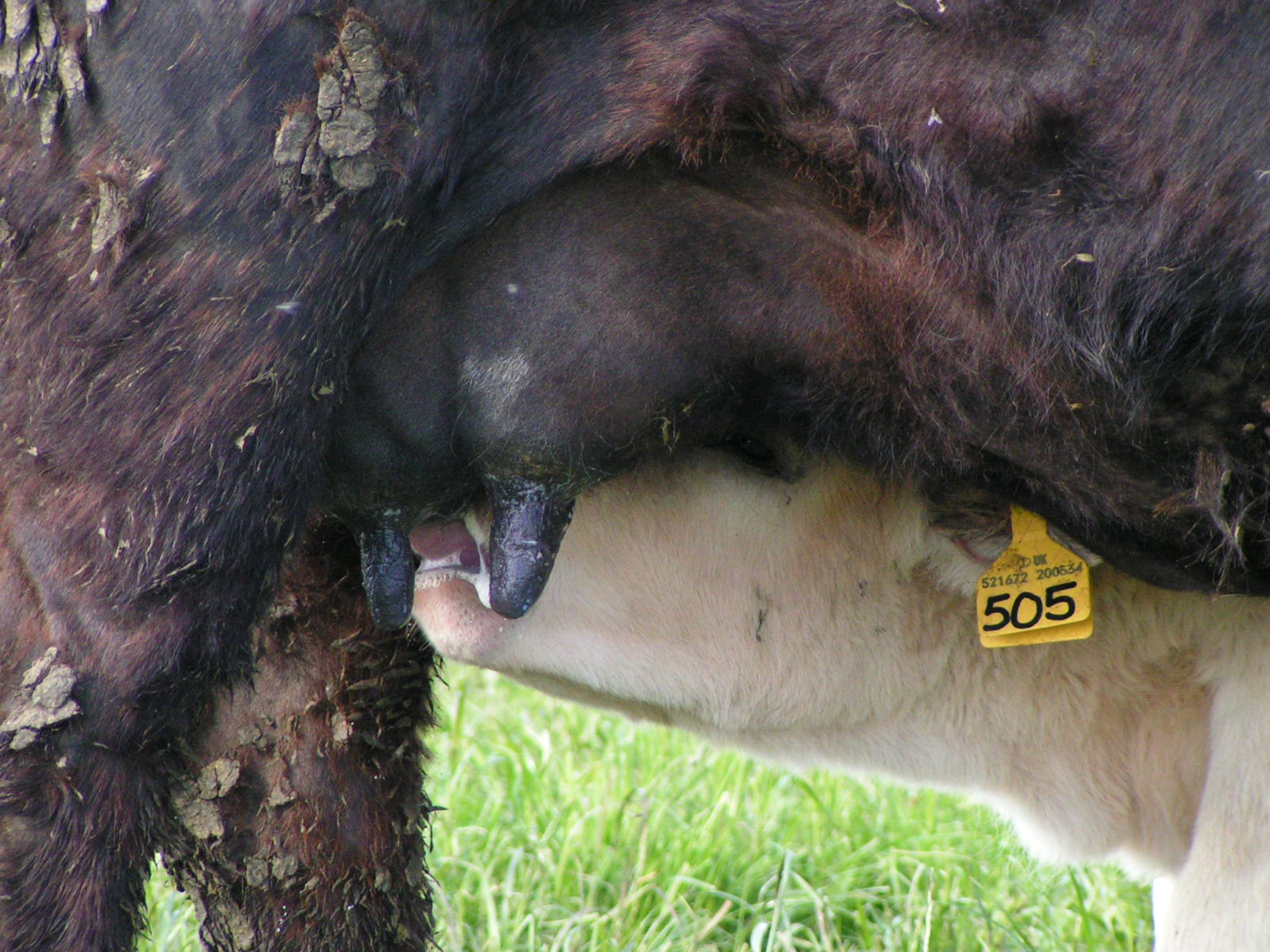
Consider Antibiotic Use This Lambing/Calving Season
Poppy Frater reminds us why we should be reducing our antibiotic usage and gives some guidance to alternatives.
Read More >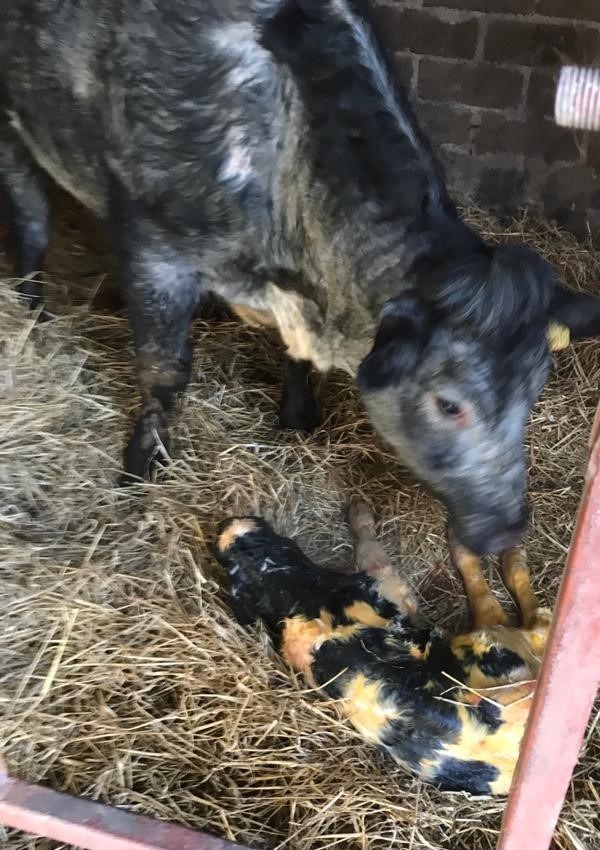
Calving Checklist
With calving fast approaching now is the time to check your supplies and get equipment ready.
Read More >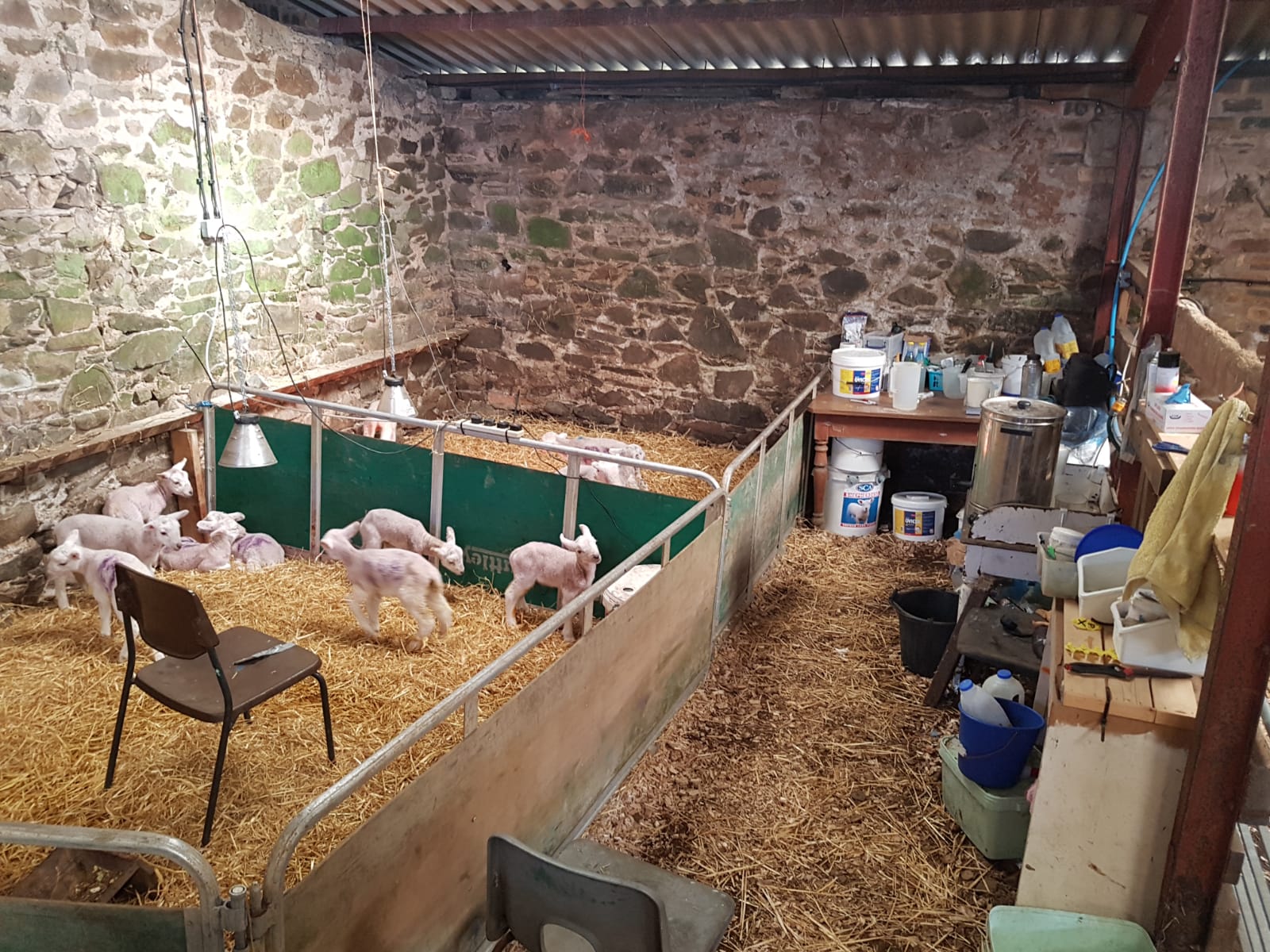
Lambing Time: Top Ten Tips
Lambing time is almost upon us again. Take a look at ten top tips which could help you this year.
Read More >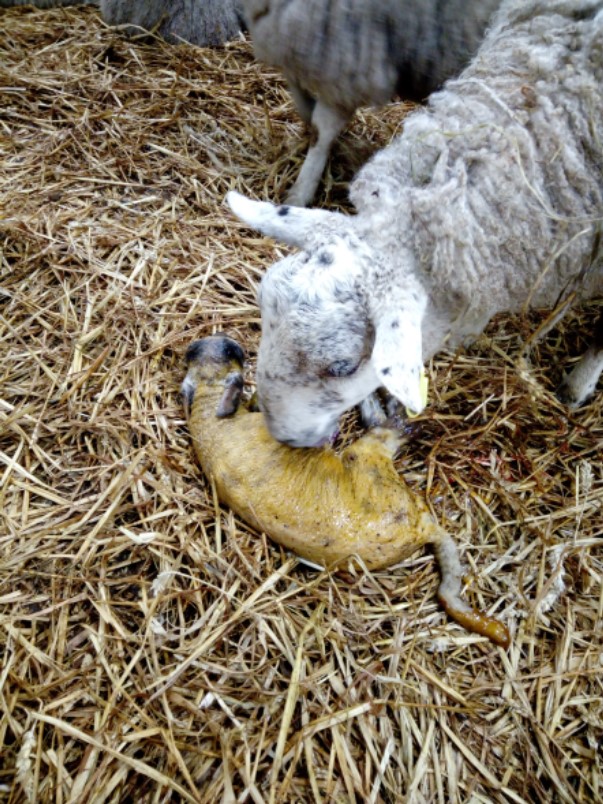
Preparation For Lambing
Being prepared for lambing by means of management and feeding is the first step to a successful lambing. The aim is to have lambs with high vigour – getting up on their feet and sucking quickly, having the ewe in the correct condition to avoid lambing difficulties, metabolic disorders and have a good supply of quality colostrum and milk for the lambs.
Read More >Greening: Ecological Focus Area
An Ecological Focus Area is an area of land upon which you carry out agricultural practices that are beneficial for the climate and the environment.
Read More >Greening: Permanent grassland
Permanent grassland is land used to grow grasses or other herbaceous forage, either naturally (self-seeded including ‘rough grazing’) or through cultivation (sown), and which is more than five years old.
Read More >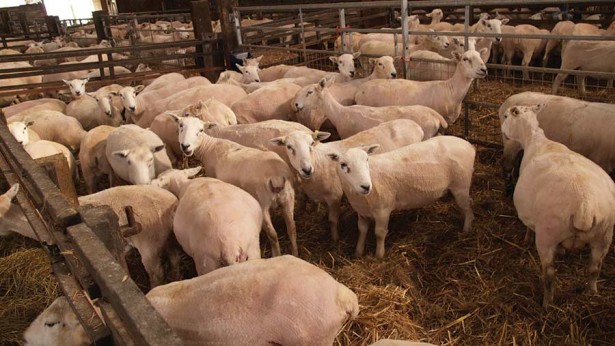
Winter Housing and Shearing of Ewes
We have had an exceptionally open winter so far, where we have seen January temperatures in double figures in some parts of the country. Climate change is having an impact, which is bringing us higher winter temperatures, higher winter rainfall and less snow and frost. However, with this change, are we adapting our livestock systems?
Read More >Sign up to the FAS newsletter
Receive updates on news, events and publications from Scotland’s Farm Advisory Service