
Articles
Caesarean Section In Cattle
The legacy of a great year for grass is an increasing number of cows likely to require a caesarean section. While a natural birth is the goal, when a section is required there are several things that are needed for a successful outcome.
Read More >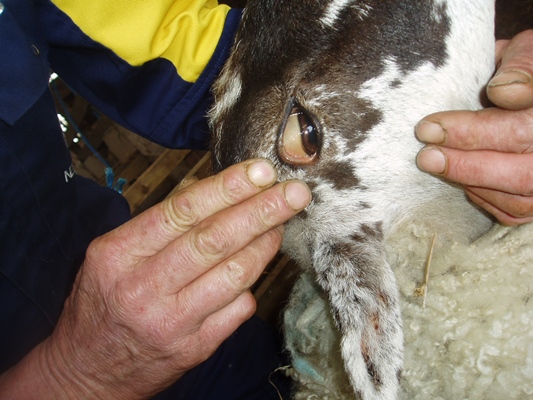
Copper: Know Your Limits!
Trace elements play an important role in livestock nutrition and contribute significantly towards health, immunity, growth, fertility and lactation. However, care must be taken to ensure that supplementation overcomes any deficiencies in forage but at the same time, the risk of toxicity and exceeding legal limits must be avoided.
Read More >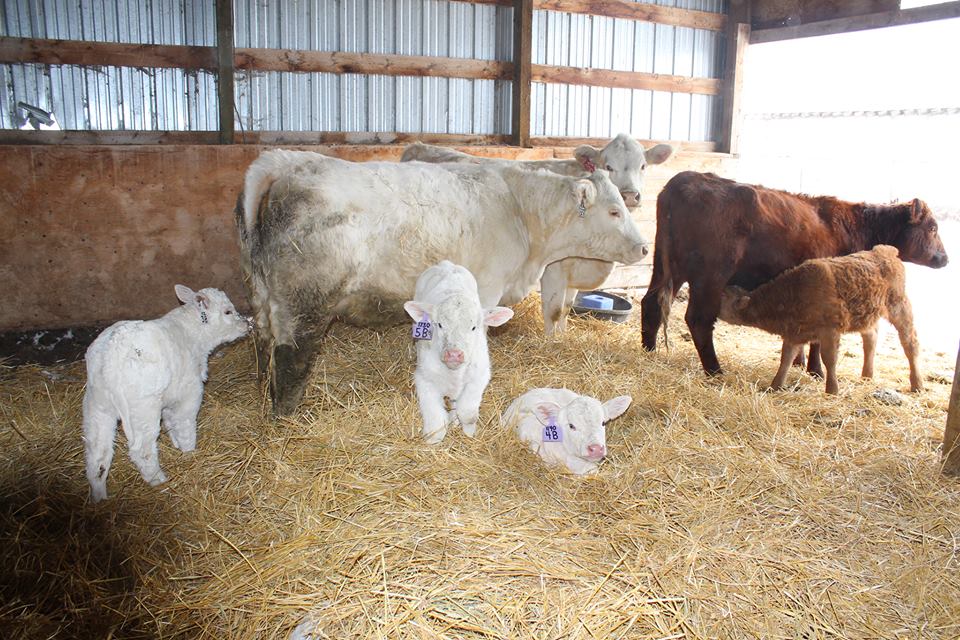
Abortion In Cattle Due To Bacillus licheniformis
You may not have heard of it but this bacteria is the most commonly diagnosed cause of abortion in Scottish cattle. Bacillus licheniformis abortions are most common in housed, pit silage fed, spring calving beef cows in the last 2 months of pregnancy.
Read More >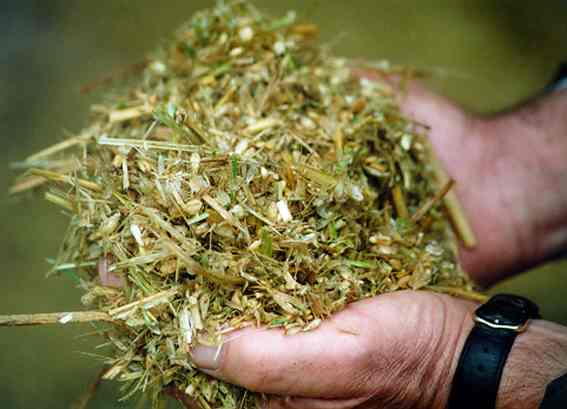
Silage Sampling – Taking A Representative Sample
Poor sampling technique is one of the main causes of unreliable silage analysis results. It is important to take a representative sample of the silage which will be fed to stock. This ensures the results are reliable and accurate, in order to ration livestock as effectively as possible.
Read More >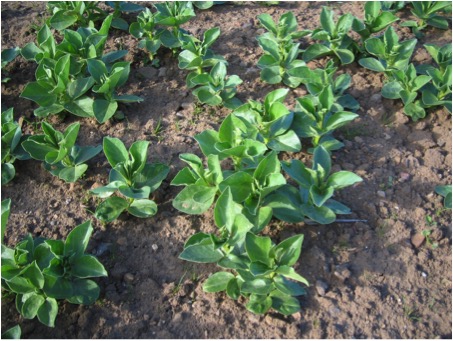
Winter beans – pre-emergence weed control
Weed pressure in winter beans tends to be low due to the later sowing date when fewer weeds germinate. However, beans are sown at a very low seed rate so…
Read More >Slugs – September 2019
Slug damage is already being noted in those winter oilseed rape crops peeping through the ground and wheat will also be on the slugs’ hit list. In oilseed rape, the…
Read More >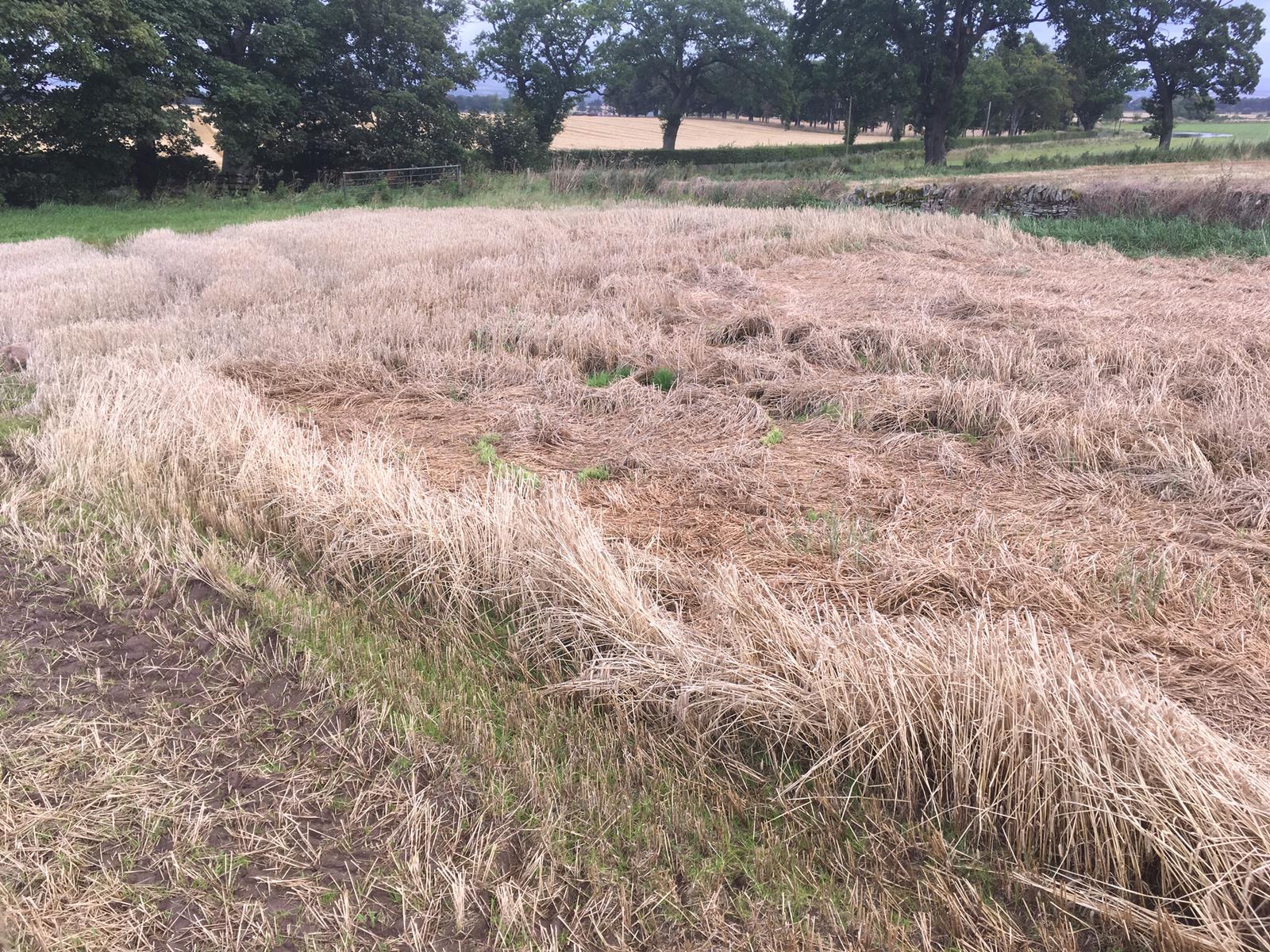
Introducing Sheep to Barley Stubbles
Barley stubbles can be a useful area to keep sheep for a period in the autumn/early winter to let grassland rest or buy more time outdoors, however there are many considerations to make.
Read More >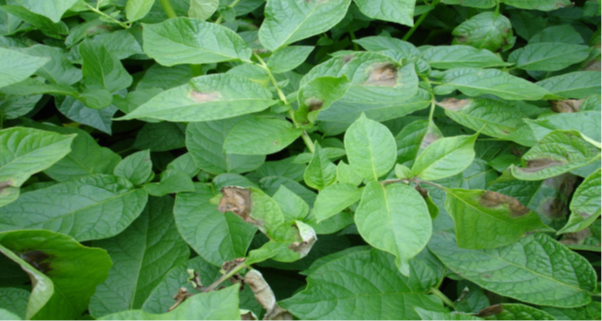
Blight Risk Update – Sept 2019
Blight risk update Unsurprisingly, there has been a surge in the number of late blight outbreaks across Scotland. So far the Fight against Blight service has 80 reports of outbreaks…
Read More >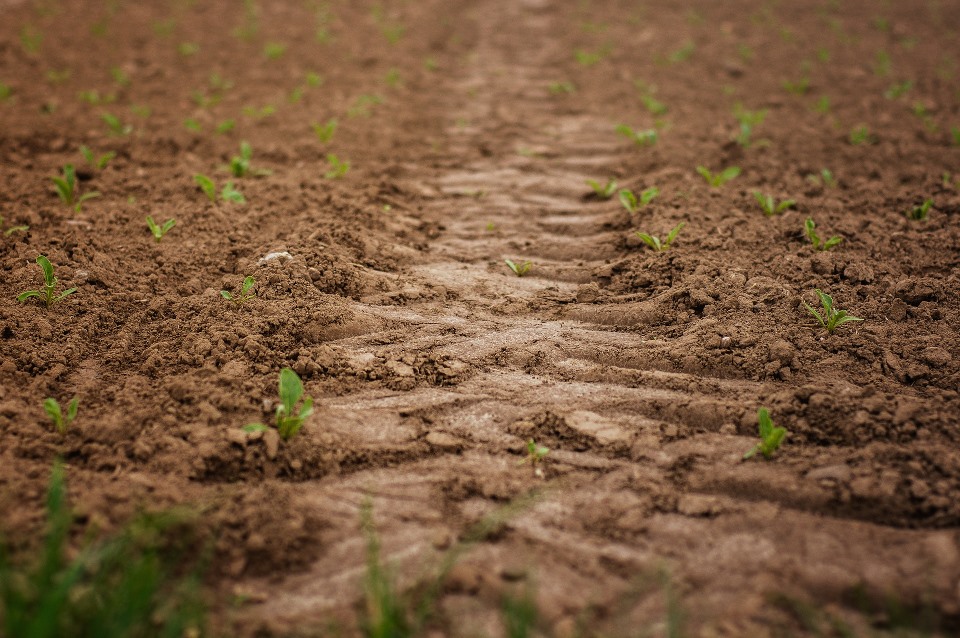
Weeds in Winter Oil Seed Rape – Sept 2019
For crops not treated pre-emergence, there are a number of metazachlor-based herbicides that can be applied once the crop has two expanded cotyledons. Generally speaking, formulated mixes are a better…
Read More >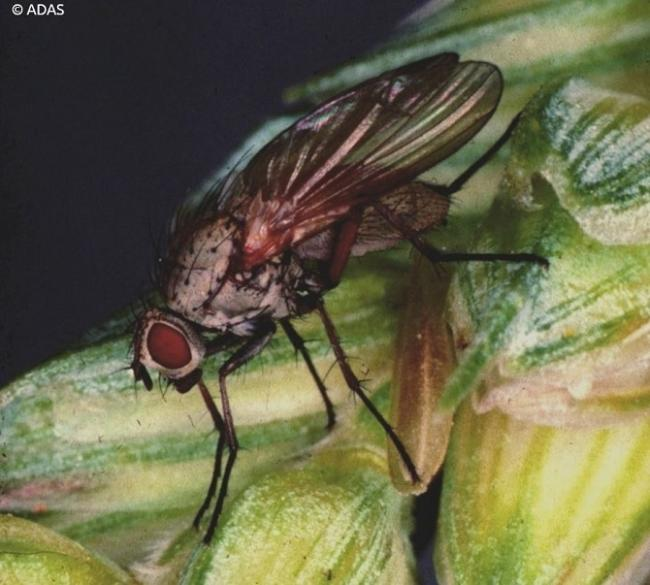
Pests in Winter Wheat – Sept 2019
Wheat bulb flies will be laying eggs through to late September. Growers are strongly advised to consider an assessment of egg numbers from early-September in fields planned for wheat, particularly…
Read More >Sign up to the FAS newsletter
Receive updates on news, events and publications from Scotland’s Farm Advisory Service