
Articles
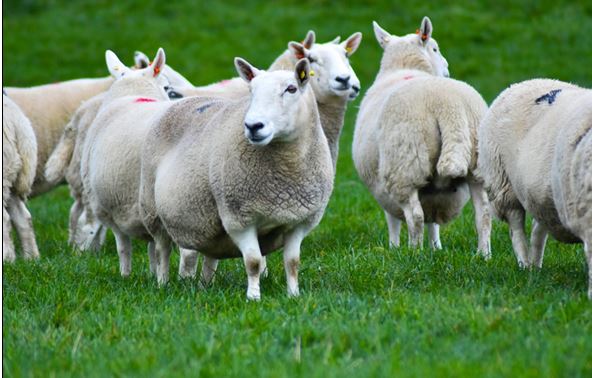
Keep The Focus On Lambing Or Turnout Paddocks For 2020
With the recent bad weather, it is tempting to graze the well sheltered lambing/turnout fields through the winter, but keep in mind that these fields do need adequate rest if they are going to be of value for lambing.
Read More >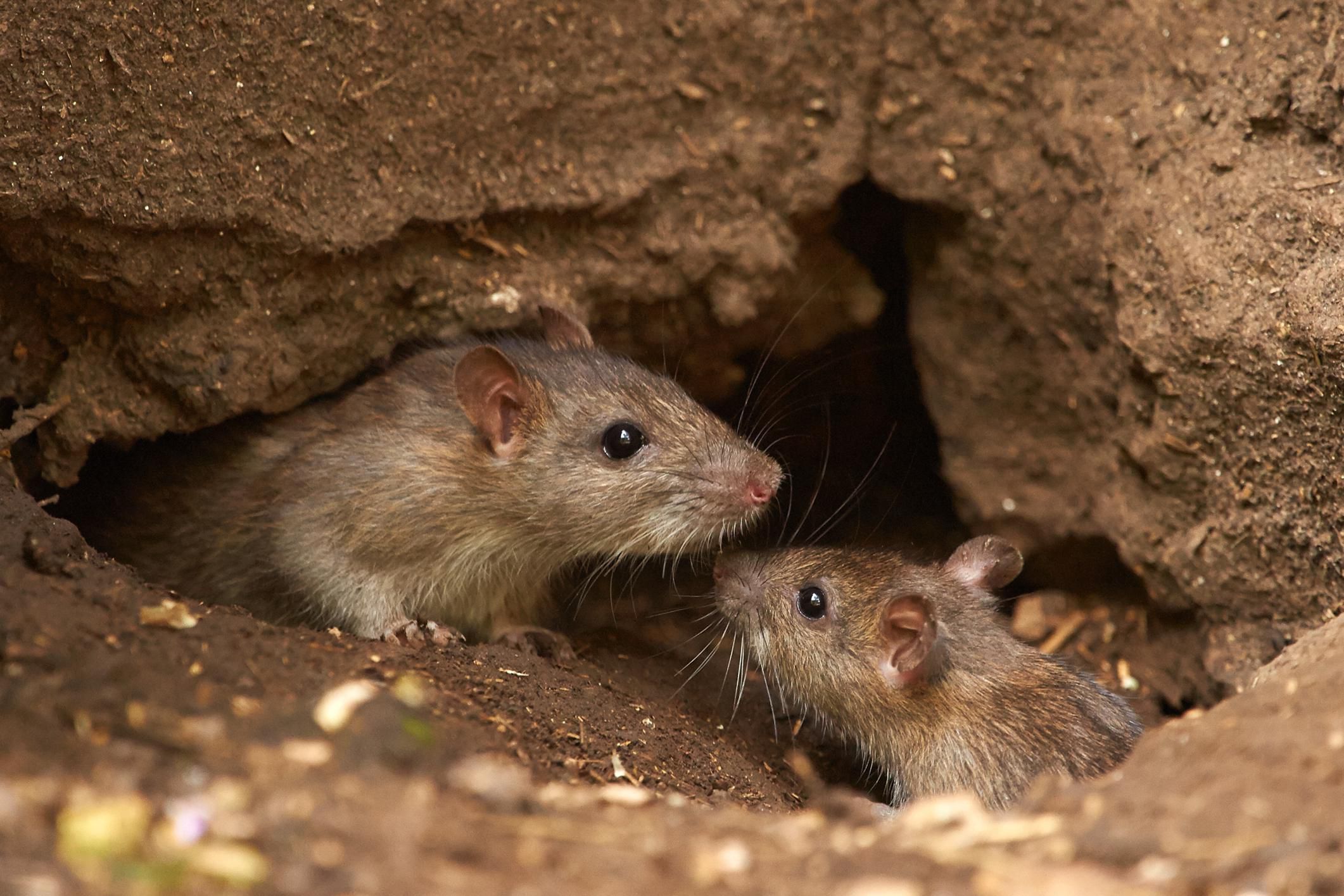
Vermin control in farm buildings
As the weather is starting to get colder, vermin such as rats and mice will be looking for somewhere to spend the winter indoors, and nowhere is better than a…
Read More >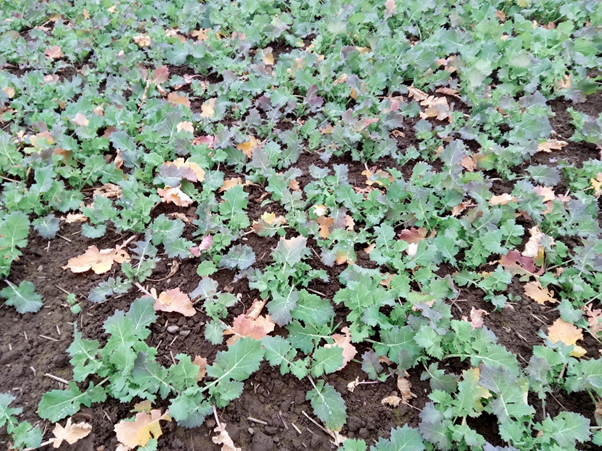
Winter Oil Seed Rape – Diseases & Pests
Some light leaf spot sprays have gone on but the persistently wet conditions and the return of heavy rain means that the ability to travel on fields has become an…
Read More >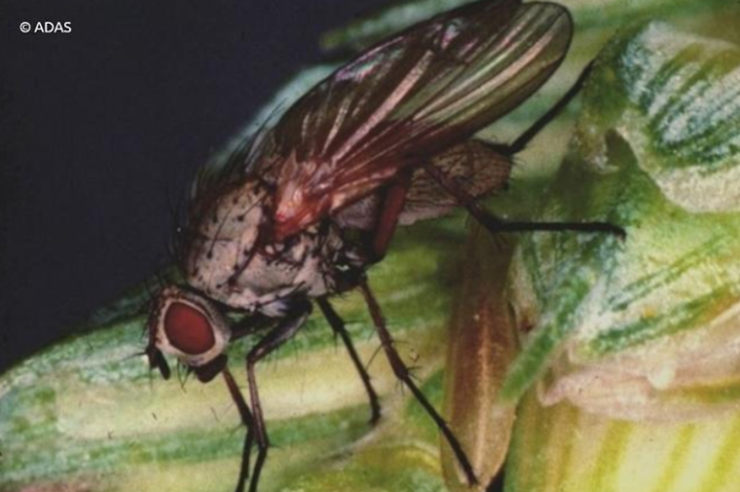
Pests in Winter Wheat – Nov 2019
Any wheat crop still to go in the ground on an East Coast farm, particularly a farm with a history of wheat bulb fly, could benefit from the use of…
Read More >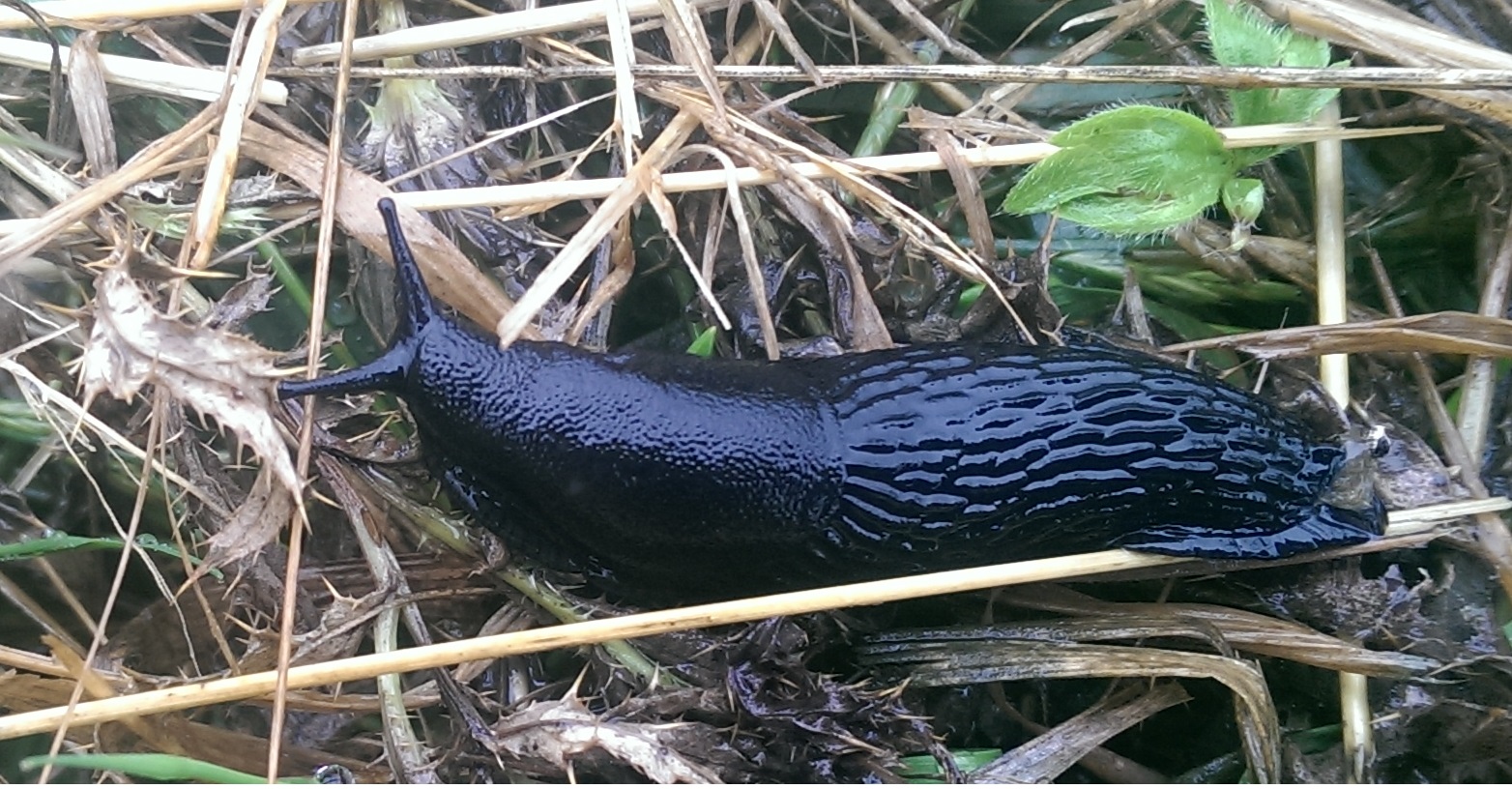
Slugs – November 2019
Slugs and their damage are particularly noticeable this season, with the wetter weather playing into their hands. Consequently, all autumn-sown crops are at risk of slug damage. In oilseed rape,…
Read More >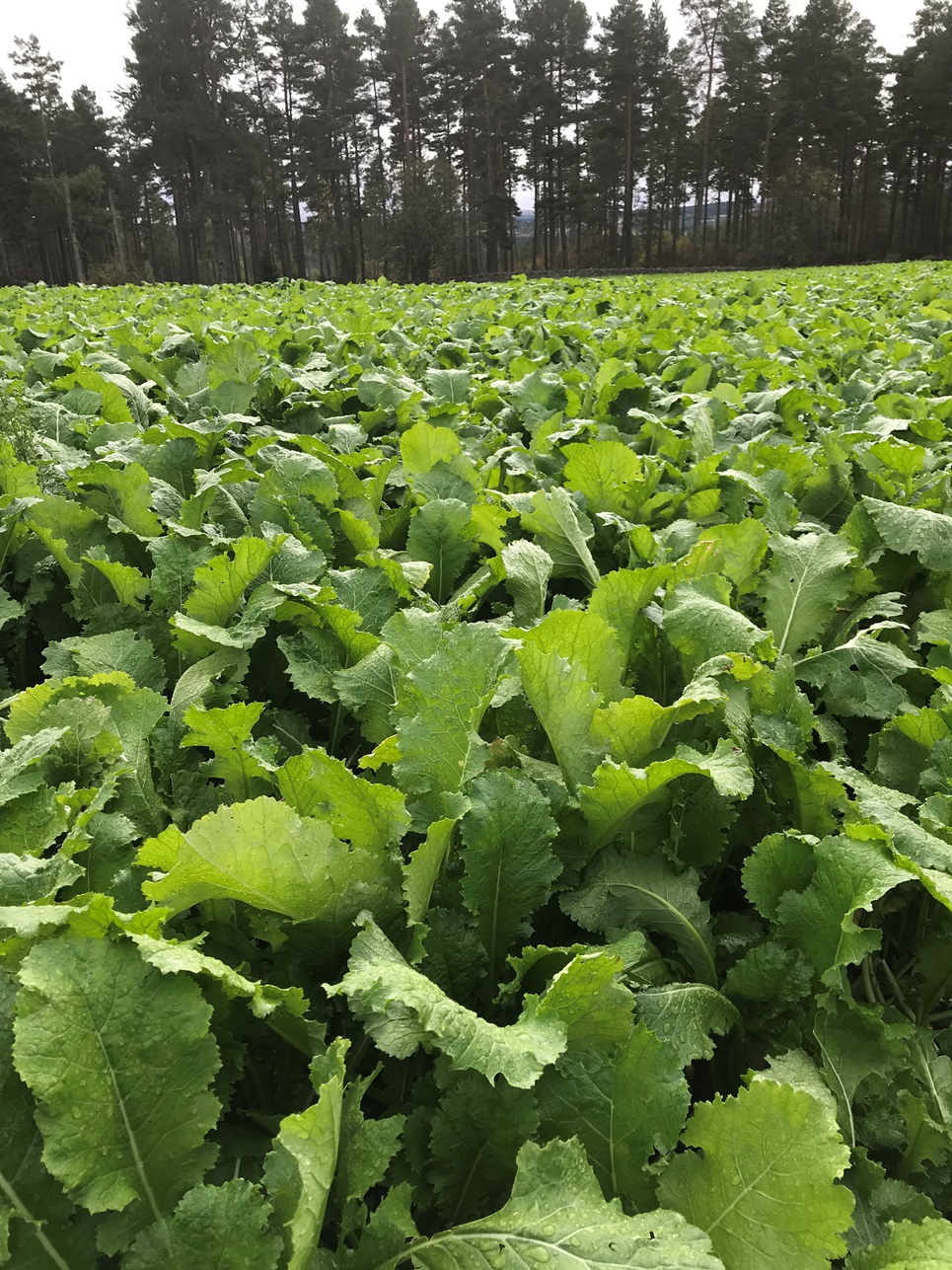
Frozen Forage Crops
The first hard frost of the winter has arrived in some parts of Scotland this week, resulting in this alert as a reminder of the possibility of high nitrate levels in brassica crops.
Read More >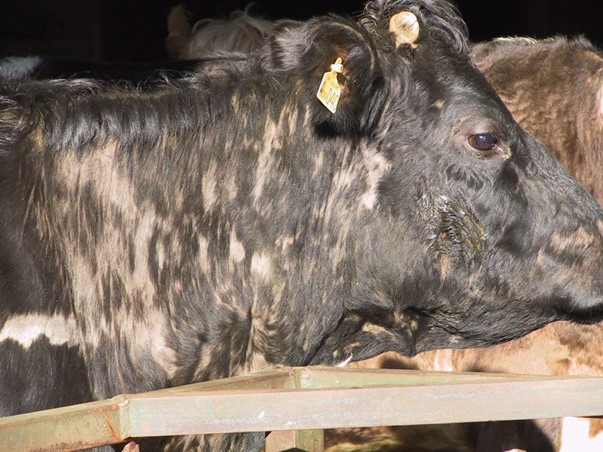
Winter Housing and Lice
Over the past few weeks many cattle are likely to have been housed. Coming off grass there is the risk that these animals will bring inside with them a burden of parasites. Winter housing is a key time to treat for both external and internal parasites.
Read More >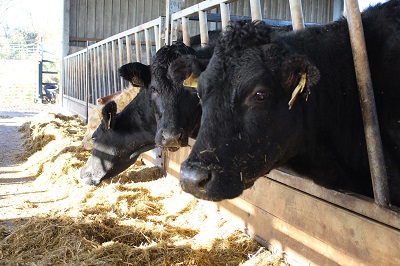
Lungworm Vigilance
Autumn is a key time for symptoms of lungworm also known as husk or parasitic bronchitis to become apparent.
Read More >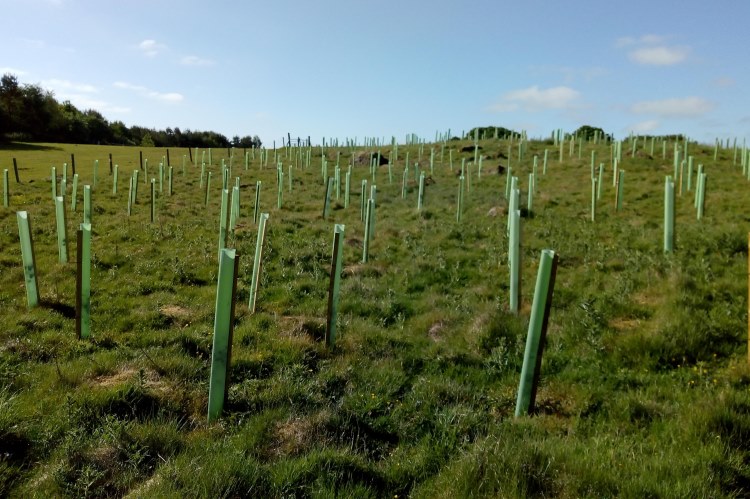
Forestry Grant Scheme Update (Autumn 2019 FWN 33)
Extra £5 million for Woodland Creation in 2019-2020 2018-2019 was a record-breaking year, with 11,200 hectares of new woodlands planted, exceeding the Scottish Government’s annual target of 10,000 hectares. The…
Read More >
What’s the threat? Tree pests and diseases to look out for (FWN 33)
The Tree Health team in Scottish Forestry carries out aerial and ground-based surveillance of woodlands and forests across Scotland. Their objective is to detect harmful pests and diseases early so…
Read More >Sign up to the FAS newsletter
Receive updates on news, events and publications from Scotland’s Farm Advisory Service