
Articles
Managing Grassland After A Drought
During the drought some fields have been grazed and others shut off in the hope of a possible second cut etc. Where grass has been grazed, either by set stocking or rotational grazing, the lack of moisture has forced it to continually draw on it’s root reserves and deplete them.
Read More >Dip in Summer Growth
Grass is a great asset for feeding and when managed well can produce high liveweight gains from cattle. However, as we move through summer it is important to remember that grass will start to become more fibrous.
Read More >Type Of Feed To Use In Calf Creep Feeders
In summer, calves will be consuming milk and grass so on average a creep feed with 14-16% crude protein (as fed) and 12.5MJ metabolisable energy/kg DM should be adequate. As creep feed is usually made available from a feeder with a hopper it is effectively available ad lib so care is required to prevent rumen acidosis
Read More >When To Start Creep Feeding Spring Born Suckled Calves
Timing will depend on calf age, growth potential of calves and grass availability. Normally creep feeding would start 6-10 weeks prior to weaning but bulls to be finished on ad-lib cereal diets should start being creep fed earlier, around 12 weeks before weaning.
Read More >Why To Creep Feed Spring Born Suckled Calves?
When a calf is 4 months of age half of its nutritional requirements should be met by forage and concentrates rather than milk. Supplying creep feed before weaning can help smooth the transition from pre- to post-weaning and the extra source of nutrients can compensate for the reduction in milk yield as lactation progresses.
Read More >Grass Availability
It is best to check sward heights on a regular basis to ensure there is adequate feed for them.
Read More >Supplementing Beef Cattle At Grass
As summer progresses the quantity and nutritional quality of grass declines. This year, grass growth has fallen off quite considerably as soils run out of moisture.
Read More >Prolonged Dry Weather On Grass
The current heatwave that we have been experiencing won’t in itself restrict the growth of the principal grass i.e. ryegrasses. In fact, their optimum growth temperature is 25 C. The main issue is lack of soil water.
Read More >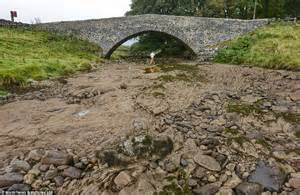
Warning: Heat Stress, Sheep
Perfect summer weather but be on the lookout for heat stress in sheep e.g. an extended neck and increased panting, even when standing still. If a sheep’s body temperature continues to increase, it will eventually collapse.
Read More >Warning: Heat Stress, Beef Cows
The bovine thermal comfort zone is -13oC to +25oC. Above this upper level, cattle will start to suffer some degree of heat stress. Cattle naturally minimise exertion to stay cool. High temperatures will also have some effect on sperm quality and even embryo viability – each of these being hugely important in the middle of the main beef-breeding season.
Read More >Sign up to the FAS newsletter
Receive updates on news, events and publications from Scotland’s Farm Advisory Service