
Too Much of a Good Thing? Copper Oversupply in Dairy Herds
11 March 2026Trace minerals are essential for reproductive performance, immunity, and productivity in dairy herds. They play a key role in maintaining enzyme systems and immune defences.
Traditionally, mineral supplementation strategies have focused on preventing deficiencies whilst accounting for interactions that may reduce absorption. However, this approach alongside increased tolerance levels has led to widespread oversupply. In many herds, copper levels now exceed requirements. And research has shown that there is thin line between safe amounts of copper and potentially toxic oversupply.
Getting the Balance Right
Prof Liam Sinclair from Harper Adams University has highlighted the narrow margin between deficiency and oversupply. Levels below 10mg/kg DM may result in deficiency, particularly where sulphur and molybdenum are present at antagonistic concentrations. Feeding more than 20mg/kg DM may lead to liver accumulation, again dependant on antagonist levels. At 30mg/kg DM, the risk of toxicity becomes high.
Evidence of Oversupply
Research highlights that copper oversupply is common in modern dairy systems. Findings from multiple studies involving 139 dairy herds in Eastern Canada and California reported average and median dietary copper levels were 70-80% above NASEM guidelines (10ppm for cows producing 32kg of milk).
The upper limit to avoid copper toxicity in cattle is 500ppm (liver concentration) and a study conducted by Michigan State University discovered that 44% of liver samples exceeded this level. Research in the Netherlands reported that 10% of liver samples exceeded 1066ppm (Counotee et al., 2019), and a UK study in 2015 showed 40% of 510 cull cows had liver copper concentrations above reference values (Kendall et al., 2015).
Collectively, these findings indicate that copper accumulation is a widespread occurrence.
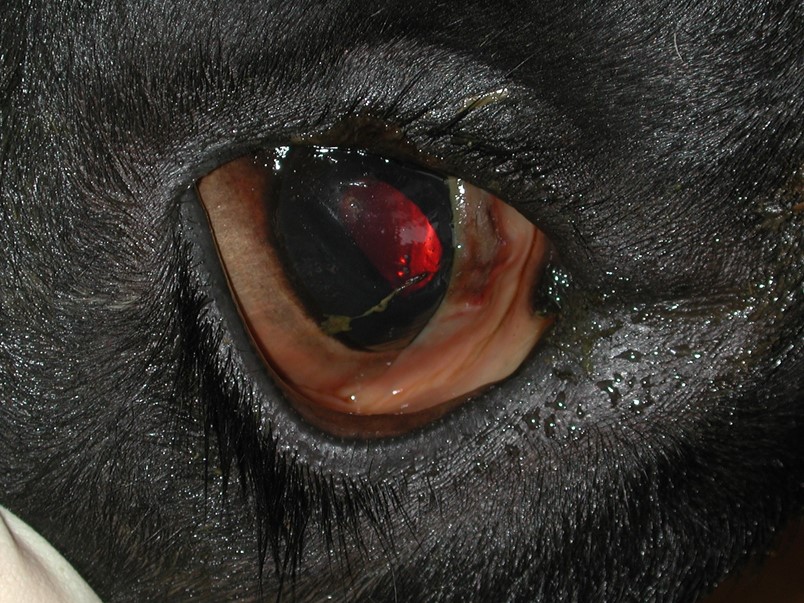
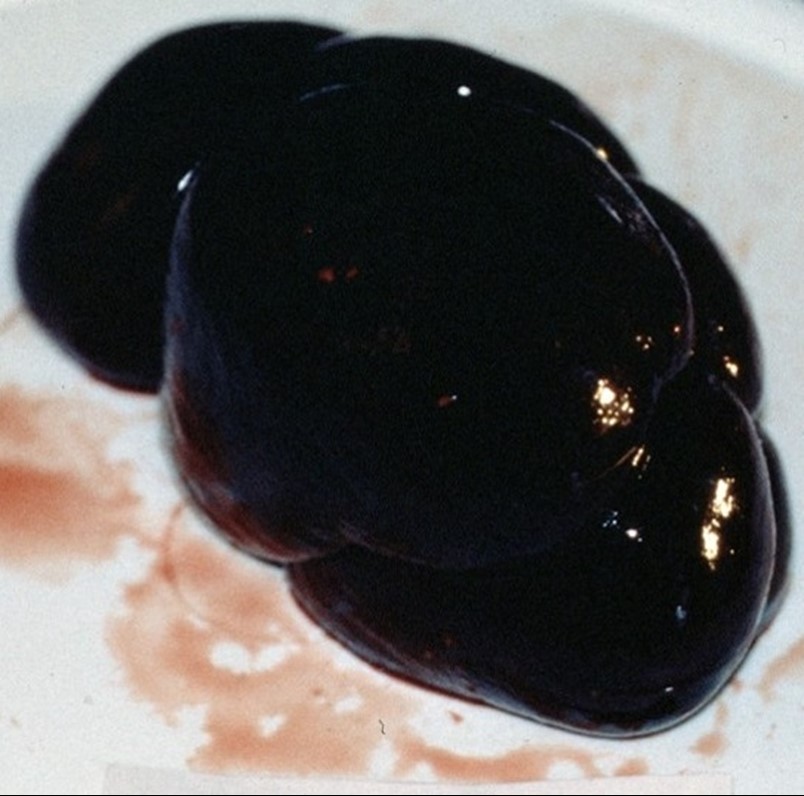
Evidence of copper toxicity in cattle with jaundice of the mucous membrane around the eye and "Gun-metal" kidneys which are a classic finding in cows with copper toxicity. Images by NADIS
How Copper Levels Creep Up
Copper toxicity rarely stems from a single source. More commonly, accumulation occurs gradually when multiple inputs are combined, including:
- Water supplies
- Boluses, feed blocks, and licks
- Mineral blends
- Concentrates
- Soil ingestion, particularly on wet pastures
Free access minerals can contribute to overconsumption, especially when molasses is added to improve palatability. Intakes are difficult to measure as consumption varies between cows. Another overlooked source is feeding TMR refusals from the milking herd to calves or heifers, potentially exposing youngstock to elevated copper levels.
The Risk of Accumulation (Copper Oversupply has few Warning Signs)
Copper remains essential for fertility and performance. However, oversupply can compromise liver function, impair fertility and increase susceptibility to metabolic stress. Research conducted by Harper Adams University has shown that short term responses to higher copper inclusion rates can appear beneficial, with improved growth rates and earlier onset oestrus reported. However, long term evaluation revealed evidence of liver damage, reduced conception rates and a greater negative energy balance, most apparent during early lactation. Copper accumulates in the liver over weeks or months, often without obvious warning signs. Symptoms appear suddenly when copper is released into the bloodstream, leading to the destruction of red blood cells. Clinical signs include blood in urine, jaundice, reduced appetite, anaemia and abdominal disturbances such as colic.
Assessing Copper Status
As early signs of toxicity are limited, proactive monitoring is essential. Reviewing copper inclusion across all feed sources and supplements (there is a legal requirement to state levels on labels) is the first step. Forage mineral analysis and a full mineral audit with a nutritionist can provide the foundation for appropriate supplementation decisions.
Blood testing can provide some guidance but does not reliably reflect liver reserves. Liver biopsy remains the most accurate method, although it is invasive. Testing cull cows may not represent the wider herd as these animals may have underlying reasons for their herd exit. If high copper levels are detected, supplementary copper should be withdrawn as liver concentrations can remain above deficiency thresholds for up to two years after supplementation ceases.
A whole diet approach, considering antagonistic minerals, cumulative intake and accumulation risk is essential. Precision, not precautionary excess, should guide mineral supplementation.
Keira Sannachan, SAC Consulting
Images by NADIS

Sign up to the FAS newsletter
Receive updates on news, events and publications from Scotland’s Farm Advisory Service