
Habitat And Landscape Management
Many different habitats exist on farmed land. These habitats differ in the resources they offer wildlife and there is substantial opportunity to improve their value through sympathetic management. Different habitats not only provide resources for a wider variety of species, but they can also help provide the variety of resources a single species requires throughout its lifespan.
For example, insect pollinators may forage on blossoming hedgerows in spring, moving to flower-rich field margins in the summer, always returning to their nesting site in tussocky undisturbed field margins between foraging visits. In the UK, populations of economically important pollinators have declined and plummeting populations pose a threat to food security. Pollinators face a number of pressures including climate change, agricultural intensification and the loss of flower-rich semi-natural habitats. Farmers can play an important part in helping to reverse pollinator declines by providing vital food and habitat resources.
We can think of habitats like the pieces of a jigsaw puzzle, all interconnecting and working together in a specific way to provide the full picture of a farmland thriving with biodiversity.
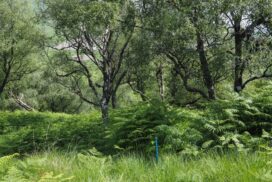
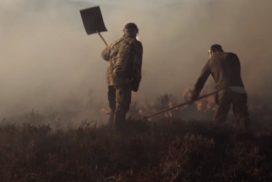
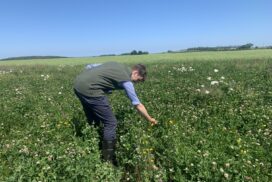
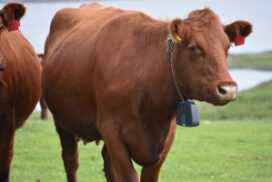
When thinking about habitat and landscape management on farmed land, there are four key areas to consider:
- Habitats For Beneficial Insects
- Hedgerow Management
- Protecting Peatlands
- Muirburn
We have included key information about each topic in the pages linked below. In them you will find advice and support to get you started, as well as links to further related resources such as podcasts, videos, and publications.
More information for particular species can be found on our Biodiversity page.


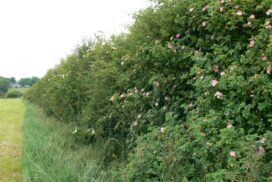
Habitat Identification Videos
The Woodland Habitat Identification video aims to assist you in identifying the woodland habitats that are listed on the key for Whole Farm Plan biodiversity audits. The video will use examples and images of the different habitats to allow you to relate it back to your own land covering mixed conifer plantations, natural woodlands, mixed woodlands, scrub, and wood pasture. Watch here >>
This Coastal Habitat Identification video aims to assist you in identifying the coastal habitats that are included within the Whole Farm Plan biodiversity audits, using examples and images of the habitats to allow you to relate it back to your own land. This video covers salt marches, sand dunes, grazed machair, cropped machair, and coastal heath. Watch here >>
The Grassland Identification video aims to assist you in identifying the various grassland habitats that are included within the Whole Farm Plan biodiversity audits, using examples and images of the habitats to allow you to relate them back to your own land and decipher between improved grassland, unimproved grassland, semi-improved grassland, and rush pasture. Watch here >>
This Cropped Land Habitat Identification video aims to assist you in identifying the cropped land habitats that are included within the Whole Farm Plan biodiversity audits, using examples and images of the habitats to allow you to relate them back to your own land. This video covers arable, managed crops for nature, and field margins. Watch here >>
The wetland habitat identification video aims to assist you in identifying the various wetland habitats that are listed on the key within the Whole Farm Plan biodiversity audits. The video will use examples and images of the habitats to allow you to relate them back to your own land and will cover ponds and lochs, wetlands, wet/marshy grasslands and water margins. Watch here >>
This Linear and Point Features Habitat Identification video aims to assist you in identifying the Linear and Point Features habitats that are included within the Whole Farm Plan biodiversity audits using examples and images of the habitats to allow you to relate it back to your own land. This video covers Hedges, Line of Trees, Drystone Dykes, River and Streams, General Point Features, and Invasive Non-native Species. Watch here >>
This Upland and Peatland Habitat Identification video aims to assist you in identifying the upland habitats that are included within the Whole Farm Plan biodiversity audits using examples and images of the habitats to allow you to relate it back to your own land. This video covers Peatlands, Heaths, Upland grassland, and upland mixed habitats. Watch here >>
Habitat and Landscape Management Calendars
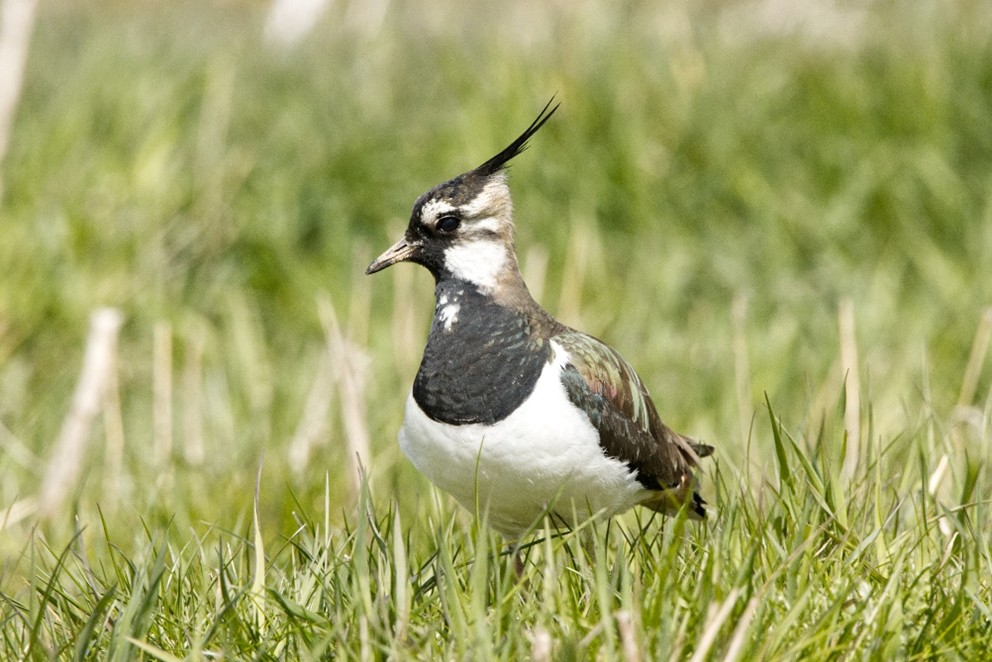
Download our handy calendars which provide month-by-month guidance for management of hedgerows, species rich grassland, and grazing management for waders.
Sign up to the FAS newsletter
Receive updates on news, events and publications from Scotland’s Farm Advisory Service