
Business and Policy November 2026 – Arable
Grain markets weaken as Scottish cropping shifts
For growers holding grain after a mixed harvest, the past week has brought a disappointing turn in prices. Wheat has fallen sharply and oilseed rape has also eased, even as the latest UK figures point to tighter cereal supplies. The smaller domestic crop still matters, particularly for barley, but it has not been enough to shield the market from pressure overseas. Grain markets are likely to remain under pressure in the near term as speculative liquidation, weak US export demand and southern hemisphere harvest supplies dominate sentiment. Wheat faces an additional downside risk if diplomatic progress eases Black Sea disruption concerns.
Scottish cropping
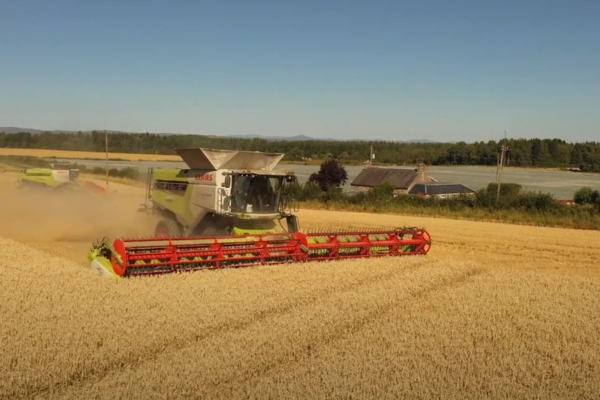
The Scottish Government’s June 2026 Census showed a clear move towards winter cropping. The winter cereal area for harvest 2026 reached 170,000 hectares, 6.9% above the five-year average, while spring cereals fell to 226,800 hectares, down 16%. Spring barley accounted for most of that reduction, with its area 17% below the five-year average and 18% lower than in 2025. Wheat, winter oats and winter barley were respectively 8.4%, 16% and 1.5% above their five-year averages.
Overall, cereals and oilseeds occupied 447,700 hectares, 5.4% below the five-year average. Wheat, barley and oats together covered 396,800 hectares, down 7.6%. Barley’s share of the cereals and oilseeds area fell from an average 62% to 56%, while wheat increased from 22% to 26%. Total oats were up 4.2%, despite spring oats being 1% lower, and oilseeds increased by 18%; other crops, including rye and triticale, occupied 8,500 hectares. The November Early Bird Survey will give us an initial indication of autumn cropping trends for 2027 harvest and will be included in next month’s newsletter.
Wheat
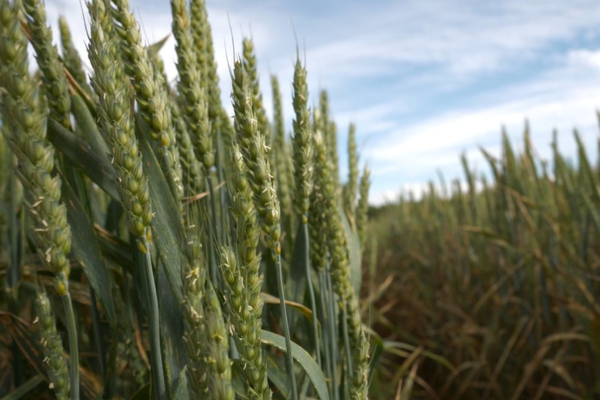
Better weather for US harvesting and renewed hopes of progress towards talks over Ukraine have taken support out of international grain markets. Renewed diplomatic efforts to end the Russia-Ukraine conflict prompted traders to unwind war-risk premiums, driving European and US wheat futures to multi-month lows. November 2026 UK feed wheat futures at £192.25/t on 26 October were down £11.25/t over the week.
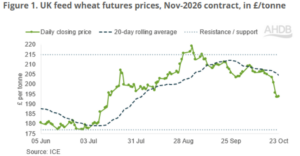
AHDB estimates UK wheat production at 12.074 M tonnes, only 1% above last year, and 9% down on the 5-year average. Opening stocks of 1.5 M tonnes are down 24% while imports are forecast at 2.750 M tonnes, underlining the continuing need for overseas supplies.
Black Sea disruption remains a watchpoint, although the prospect of easier export access can affect prices well before any agreement is reached. There is little comfort in relying on political uncertainty to maintain values.
Feed barley
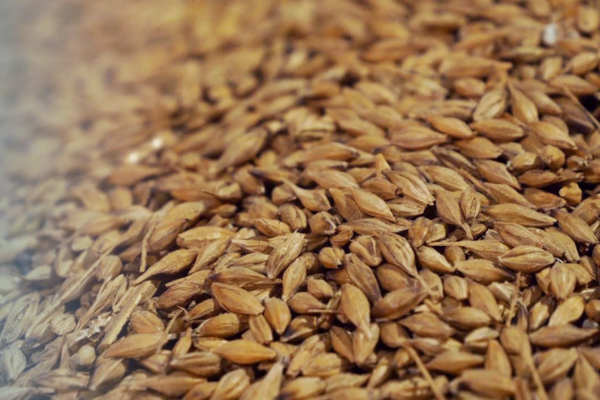
Feed barley prices remain under pressure amid aggressive selling and surplus malting barley supplies finding its way into the feed market. Trade sellers are becoming increasingly aggressive, particularly for movement between now and the end of December.
AHDB puts the UK total barley crop at 5.6M tonnes, down 12% on the year, with total availability falling 8% to 7.2M tonnes. The surplus available for export is forecast at 450,000 tonnes, 56% below last season. Animal feed use is expected to remain high following the drought and its effect on forage, although industrial demand is forecast lower.
Malting barley
The UK malting barley market continues to experience a prolonged period of subdued activity, with values showing very little movement over the past couple of months. Scottish barley continues to move south into England, where its generally lower nitrogen content could prove increasingly valuable. This may offer maltsters opportunities to blend Scottish supplies with higher-nitrogen English barley, potentially allowing a greater proportion of the domestic crop to meet their requirements. A smaller crop may reduce the volume available, but premiums still depend on maltsters needing the variety and specification being offered.
Oilseed rape
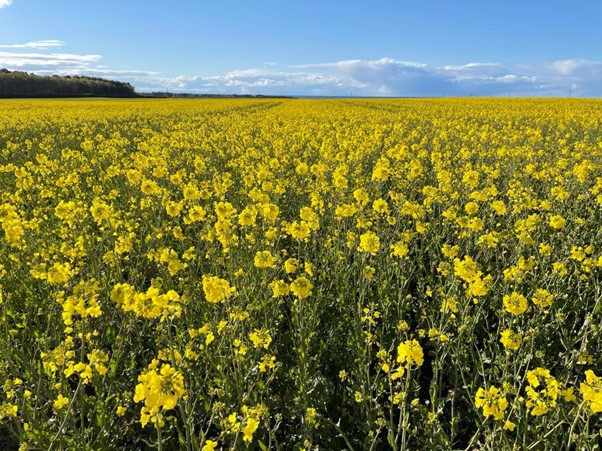
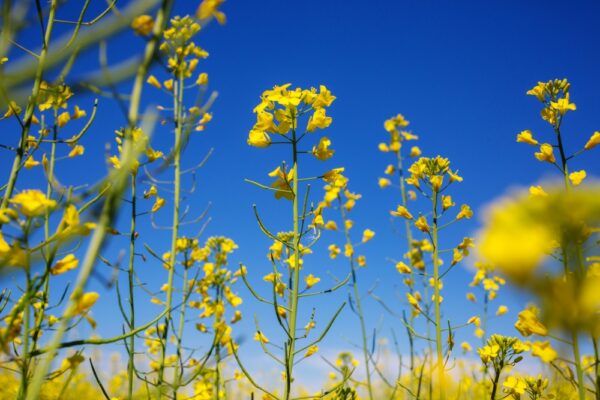
Oilseed rape has also lost ground as favourable weather supports the ongoing US soya harvest. However, a rise in crude oil prices in the latter part of the week helped reduce the losses. May 2027 Paris futures were approximately £461.50/t on 23 October, down 1.7% over the week in sterling terms, with the stronger pound adding pressure.
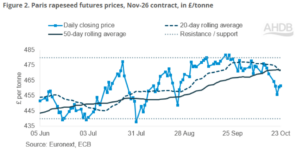
November ’26 delivered prices are currently £437/t into Montrose, while May ‘27 delivery is priced at £446/t.
The improved domestic supply is welcome after recent small crops, but UK values will continue to take their direction from the wider vegetable oil market and currency movements. For those considering a later sale, the higher forward price needs weighing against the cost of carrying the crop.
Oats and pulses
The smaller English oat crop remains an important feature of the market. DEFRA estimates English production at just over half a million tonnes, down 29% on the year, following a 21% reduction in area and an 11% fall in yield to 4.1 t/ha. Scotland’s increased total oat area adds a different regional picture but does not by itself establish a larger harvest. Milling opportunities will depend on sample quality, buyers’ existing cover, and the competitiveness of imported supplies. A smaller crop gives grounds for watching bids closely, rather than assuming every parcel will attract a stronger price.
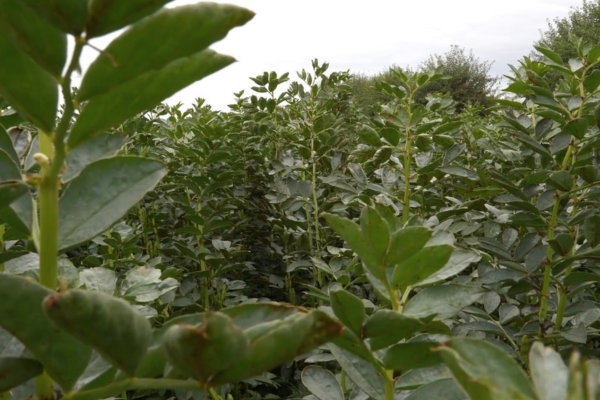
For peas and beans, the earlier picture of quiet demand and competition from imports has not been replaced by a verified fresh public market update. Feed values still need assessing against alternative protein and energy ingredients, while specialist food markets depend much more on individual sample quality.
Mark Bowsher-Gibbs, mark.bowsher-gibbs@sac.co.uk
Indicative grain prices on 29th October 2026 (Source: SAC//United oilseeds/AHDB)
| £ per tonne | Nov‘26 | Feb’27 | May ‘27 | Nov ‘27 | |||
|---|---|---|---|---|---|---|---|
| Wheat | Ex farm Nov Feb/May/Nov‘27 Futures | 205 | 197 | 203 | 193 | ||
| Feed barley | Ex farm uk | 175 | - | ||||
| Beans | Ex farm | 225 | - | ||||
| Feed Oats | Ex farm | 155 | |||||
| Oilseed Rape | Del Montrose | 437 | 441 | 446 | |||


Sign up to the FAS newsletter
Receive updates on news, events and publications from Scotland’s Farm Advisory Service