Articles
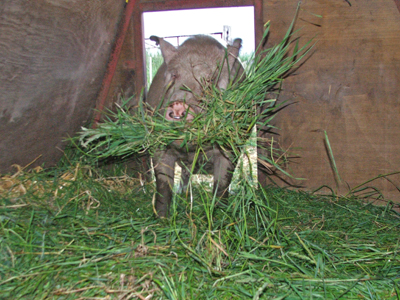
Welfare of pigs (SMR 12)
The aim is to protect pigs by setting minimum standards for their care and management and welfare.
Read More >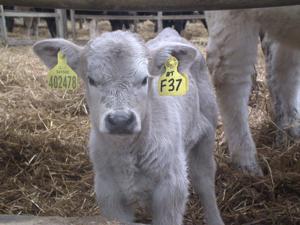
Welfare of calves (SMR 11)
The aim is to protect the welfare of calves by setting minimum standards for their care and husbandry.
Read More >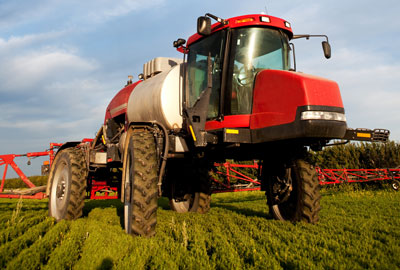
Restriction on the use of plant protection products (SMR 10)
The aim is to ensure that plant protection products are used correctly and to minimise their risk to humans, animals and the environment.
Read More >Prevention and control of transmissible spongiform encephalopathies (TSEs) (SMR 9)
The aim is to minimise the risk posed to human and animal health by certain transmissible spongiform encephalopathies (TSEs).
Read More >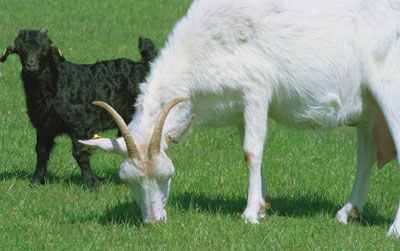
Sheep and goat identification (SMR 8)
The aim is to maintain a system for the identification, registration and traceability of sheep and goats.
Read More >
Cattle identification and registration (SMR 7)
The aim is to maintain a system for the identification, registration and traceability of cattle.
Read More >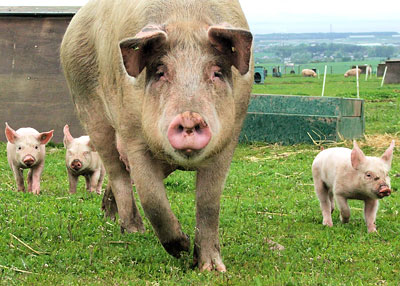
Pig identification and registration (SMR 6)
The aim is to maintain a system for the identification, registration and traceability of pigs.
Read More >Restrictions on the use of substances having hormonal or thyrostatic action and beta-agonists in farm animals (SMR 5)
The aim is to prohibit the illegal use in stock farming of substances that have a hormonal or thyrostatic action and beta-agonists and also to prevent the residues these substances leave in meat and other foodstuffs from entering the human or animal food chain.
Read More >
Food and feed law (SMR 4)
The aim is to ensure the safe production of food for human consumption and food or feed that is fed to food-producing animals.
Read More >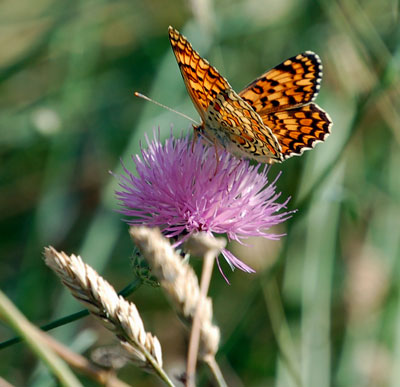
Conservation of flora and fauna (SMR 3)
The aim is to conserve land designated as a Special Area of Conservation (SAC). Many SACs are also designated as Sites of Special Scientific Interest (SSSI).
Read More >Sign up to the FAS newsletter
Receive updates on news, events and publications from Scotland’s Farm Advisory Service