
Planning for Water Scarcity – New Practical Guide for Farmers and Growers in Scotland
10 March 2026Scotland’s climate is changing, with predictions showing that spring and summer months will be drier, with wetter autumn and winters throughout the country [1]. With a changing climate we need to prepare and mitigate the associated risk. But what are the implications for the agricultural sector? One of them is water scarcity, a term that was previously more associated with other countries, not Scotland, but this is not the case now. 2025’s dry spring and summer impacted the whole country, lowering water levels and creating significant scarcity in areas for long periods of time. To minimise disruption, the agriculture sector needs to start planning for future shortages.
From simple assessments, and observations to longer scale projects, incorporating resilience into your business can allow for the extremes to work with your farm, not against it.
The Centre of Expertise for Waters (CREW) has just published Planning for Water Scarcity: Practical guidance for Scottish farmers and growers, which has been designed to improve the efficiency of water use across farm businesses in Scotland. The guide explains the trends in water availability and discusses the future prediction for Scotland. By examining these details we can begin to prepare and work with a changing climate.
The guidance shows how farm businesses can improve resilience to water scarcity and understand their specific risks? Figure 1, an excerpt from the guide, highlights key steps farmers and growers can follow to conduct a drought risk assessment. The step-by-step process highlights areas of risk they may be able to mitigate and form a defence against water shortage.
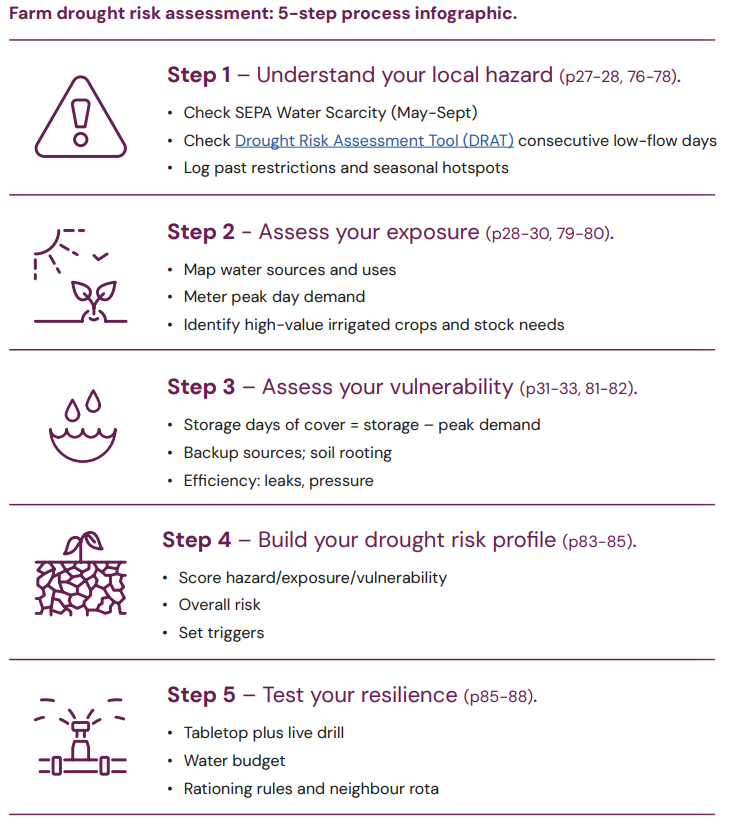
Figure 1: Farm drought risk assessment, source: https://www.crew.ac.uk/publications/planning-for-water-scarcity
Once an understanding of your business risk is assessed, you can begin to act and form long term plans. This can include ensuring that your soil can withstand and cope with changing water availability. Figure 2 highlights how crops cope with water in the soil, too much can cause saturation, too little leading to stress and wilting. The use of technology and modelling can be of great help with identifying and analysing soil health and finding the right balance.
- Would you consider installing moisture probes to accurately monitor soil moisture levels?
- Would modelling and predictions help your business? There are tools available now to forecast yield, highlight potential problems areas on farm and highlight areas where you may be best to focus attention to gain the best yield.
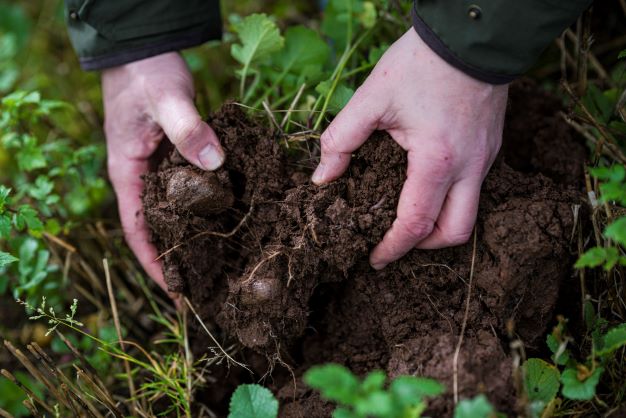
- Do you routinely carry out visual assessment on farm? Doing a simple VESS assessments can tell you a lot about your soil and can be done with a spade and time.
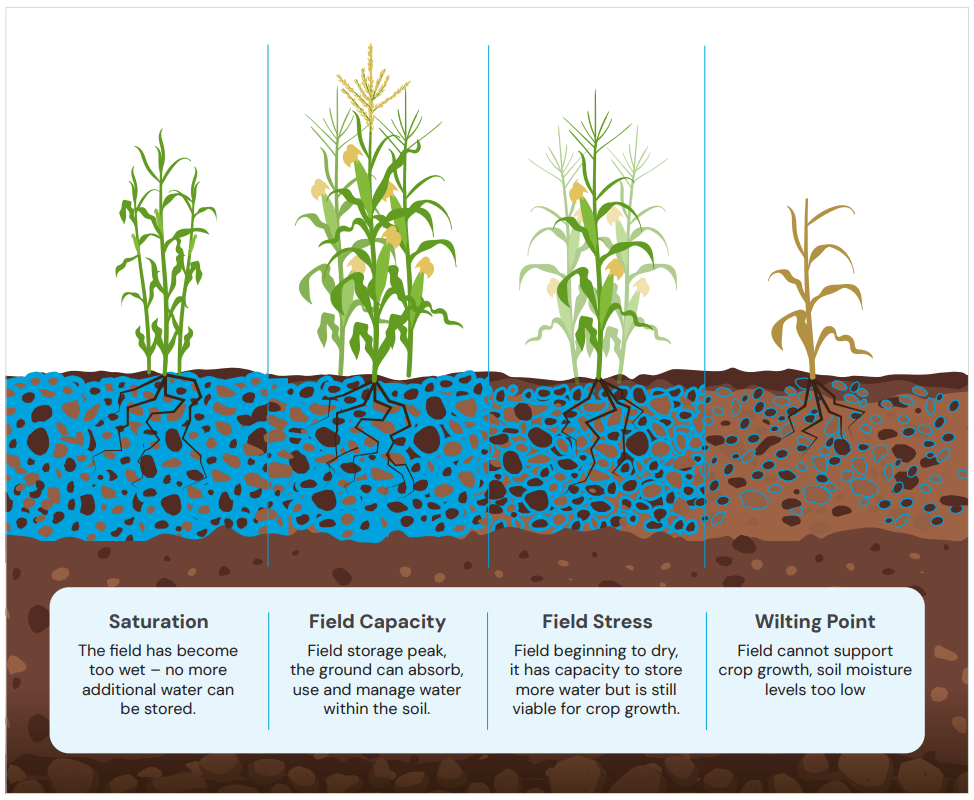
Figure 2: Crop growth under different soil moisture levels, source: https://www.crew.ac.uk/publications/planning-for-water-scarcity
It is important to know that there are approaches that can be done on farm to help cope with a changing climate that do not cost a lot of money. If you are concerned and want to find ways to improve your resilience on farm read this guide, speak to an advisor or neighbour and discuss potential solutions which suit your location and your business.
Fiona Salter, SAC Consulting
References
[1] Gosling, R., Halliday, S.J., Brown, I., Black, A., and Hendry, S. (2024). Climate Crisis: informing Scotland’s actionable mitigation and adaptation response to water scarcity. CRW2022_07. Centre of Expertise for Waters (CREW). Available online here. https://www.crew.ac.uk/publication/mitigation-adaptation-response-to-water-scarcity






Sign up to the FAS newsletter
Receive updates on news, events and publications from Scotland’s Farm Advisory Service