
The Journey of a Soil Sample
24 March 2026This publication focuses on one of the five key elements of the whole farm plan - soil analysis - and aims to explain the soil analysis procedures that take place in the laboratory. This publication has been produced in conjunction with a FAS video of the same name which you can watch below.
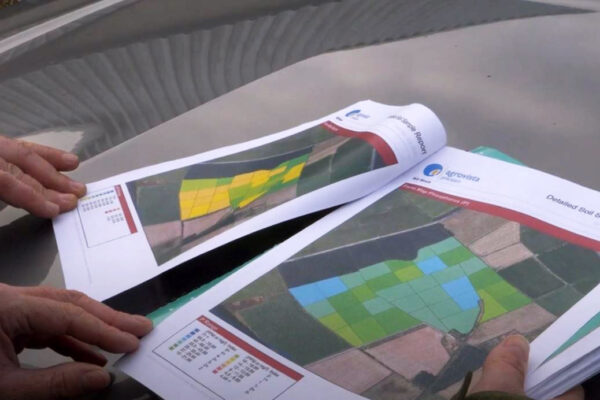
Under the Whole Farm Plan, all Region 1 land, which receives artificial fertiliser or organic manure, must be sampled for pH, Phosphorous, Potassium and Organic Matter at least once every 5 years. Standard or GPS soil sampling can be used.
This “baselining” has been recognised as a crucial tool in helping farmers make informed management decisions to deliver both climate and biodiversity goals while also helping to increase productivity and profitability.
How to Soil Sample
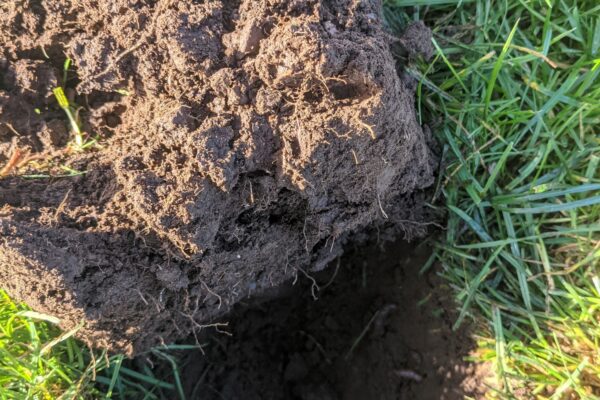
It’s easy to take these samples yourself using a soil corer or spade along with a bucket to mix the soil. Sample down to 8cm for grassland and 15cm for arable and fill a small clear bag, aiming for 500g of soil. When sampling, walk a W pattern of the field, taking at least 5 samples on each leg of the walk, taking 20 – 25 cores per field. Sub-divide any larger fields. Mix the cores well in the bucket, before tipping into the soil bag. Clearly label the bag with the field number or name.
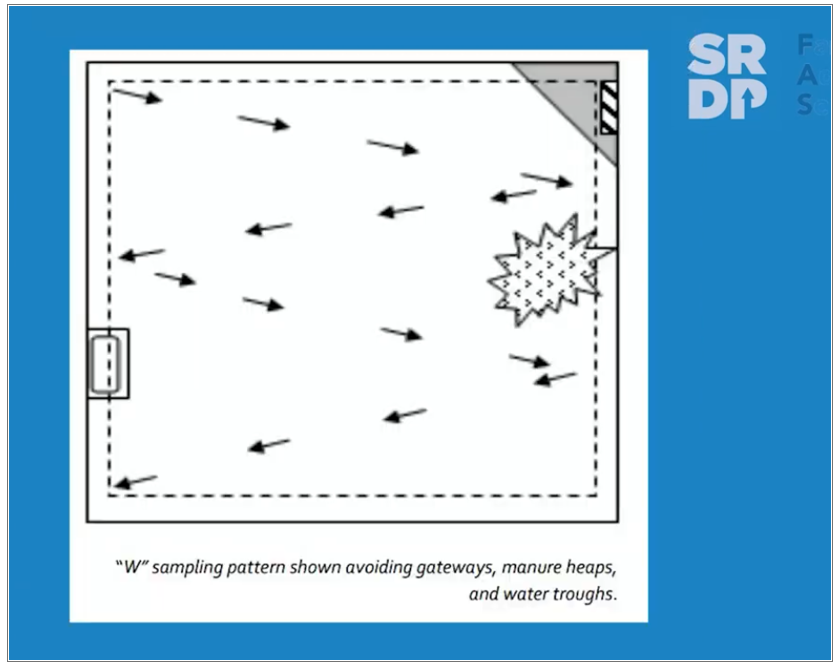
Autumn and early spring is an ideal time to do your soil analysis.
Once your soil has been bagged up, the next stage is sending it to an accredited soil testing lab for analysis.
When Not to Soil Sample
Avoid sampling when fields are waterlogged or in very dry conditions and wait at least 4- 6 weeks after applying fertiliser or manure. Avoid field edges, gateways, feeding areas and areas that might have been used to store lime or muck.
Laboratory Analysis
Upon arrival at an accredited laboratory, soil samples will go through the following procedure:
- Sample registered in the system
- Sample dried in ovens at 40 °C, milled and sub-samples taken for different analysis
- Sample milled further to produce a finer powder if testing for trace elements and heavy metals
- pH analysis – sample mixed with calcium chloride and pH analysis takes place (often performed by a robot).
- In Scotland, routine soil testing commonly uses the Modified Morgan method for nutrient extraction and a calcium chloride method for pH determination. These methods were developed because many Scottish soils are acidic and organic-rich, so different extractants are preferred compared with England and Wales.
- For routine analysis – various extractions are added and put through shaking/rolling to extract the elements being analysed. These are then measured using emission spectroscopy (looks at wavelengths of elements and compares to a known set of standards).
- A routine soil analysis package typically provides: pH result, lime requirement and results for Phosphorus, Potassium, Calcium, Magnesium and Sodium.
- Further tests are available for trace elements and heavy metals.
- Soil Organic Matter (SOM) – analysis in Scotland is usually by Loss on Ignition (LOI). This method estimates organic matter by measuring how much mass a soil sample loses when heated at high temperature.
Why is Organic Soil Matter Important?
Soil organic matter is important because it contains nutrients and micro-nutrients and gives structure and stability to the soil. We need to look at SOM over a longer time to detect gradual changes in total SOM.
It is important to note that SOM is not the same as organic Carbon. 58% of organic matter is organic Carbon, the rest is made up of other elements, check which is presented in your results.
Different soils have different capacities to retain soil organic matter. Lighter soils may have lower SOM content and be considered sufficient, whereas a heavy clay soil should have a higher SOM content.
Taking it a Step Further - Testing Soil Biology
A biologically active soil plays an important role in soil health. Biological communities enhance soil structure and water dynamics, suppress pests and disease and process toxins into less harmful substances.
Those who wish to test soil biology can do so using a CO2 burst test, typically this involves:
- Soil sample dried, rolled and sieved
- Re-wet soil with measured amount water, causing a burst of CO2 that can be measured
- The CO2 burst is proportionate to the microbial mass in the soil, with results expressed in mg/kg
Using Soil Analysis to Make Informed Decisions
The analysis results will be summarised in a table that shows
- What was tested
- The result
- The status level for each nutrient
- The soil pH
- A lime recommendation
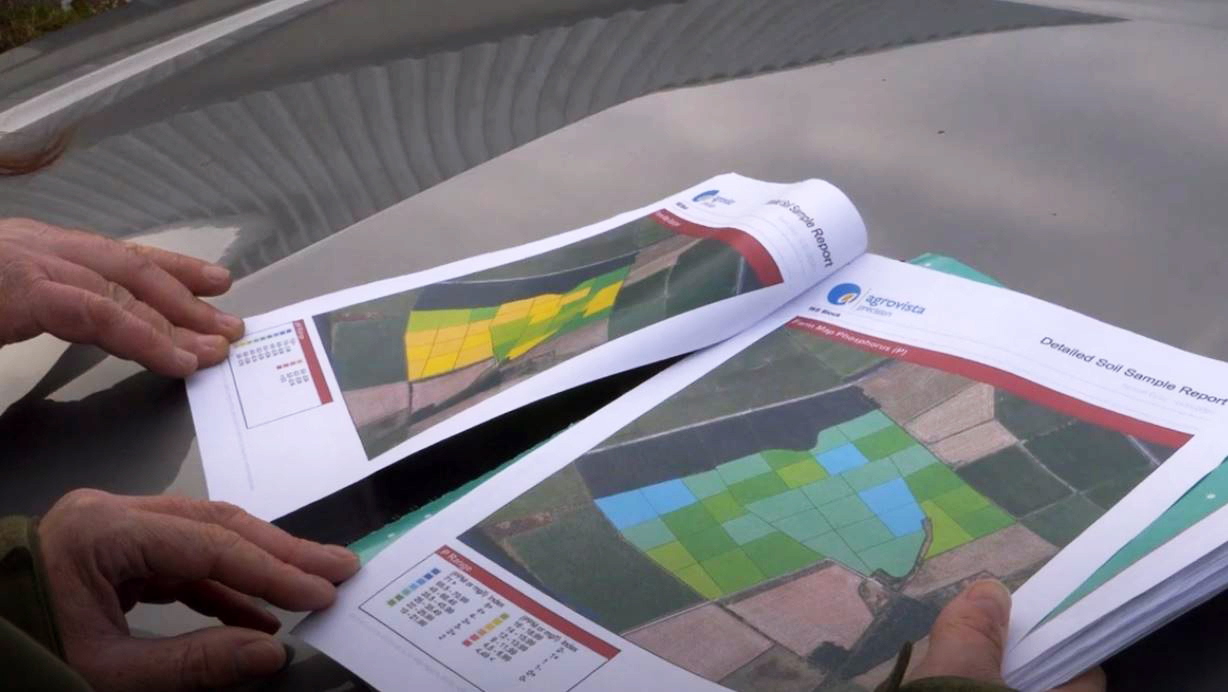
The nutrient status levels will tell you if you need to make adjustments to your management strategy to ensure your soils are kept on target. From the status of each nutrient or factor, an indication is given as to whether more or less is required.
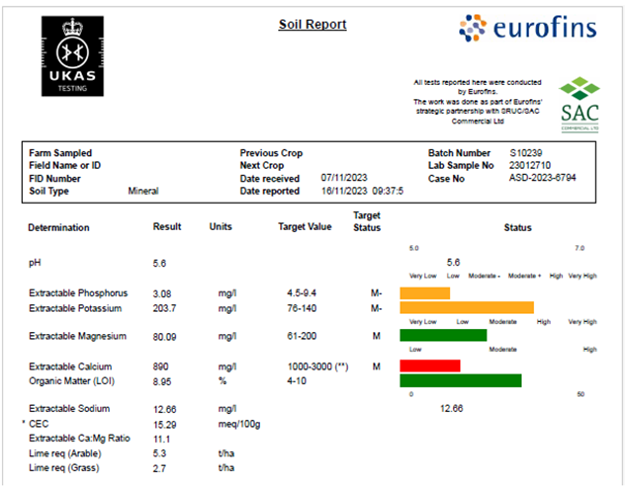
Image from: How to Interpret Your Soil Analysis | Helping farmers in Scotland
At this point the farmer can work with their advisor or agronomist to develop a nutrient application plan, taking soil type, crop requirements, organic manure applications and current soil nutrient status into account.
This will ultimately help to match inputs to meet crop requirements.
Heather Stuart, SAC Consulting
Further Resources
If you’d like more information, FAS has produced a range of free resources on how to perform and get the most out of a soil analysis. You can find some of them below.
Practical Guide: Soil sampling I - How to take a soil sample
Practical Guide: Soil Sampling II - Benefits to your business
Fertiliser Technical Notes | Helping farmers in Scotland
How to Interpret Your Soil Analysis | Helping farmers in Scotland
Comparing GPS and Conventional Soil Sampling | Helping farmers in Scotland
If you have more questions, the FAS helpline is available by both telephone and email with additional support.



Related articles
Soil Analysis

Soil Health and Management


Soils
Sign up to the FAS newsletter
Receive updates on news, events and publications from Scotland’s Farm Advisory Service