
The Value of the Cull Cow to Dairy Businesses – Is She Covering Her Costs?
11 March 2026With milk margins under pressure and beef prices remaining strong, every cow must justify her place in the herd. Animals that are infertile, underperforming, or carrying recurring health issues can quickly diminish financial returns. A disciplined culling policy protects cash flow and ensures the herd is built around cows that are genuinely contributing to margin, not just occupying space.
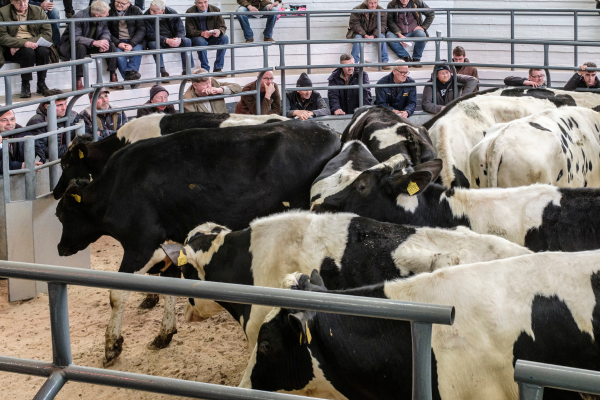
We may not be seeing the extreme highs of May 2025 where cows realised 568p/kg in Scotland, but at a Scottish average of 526p/kg, cull cows are still well ahead of the 300 to 400p/kg prices that were seen in previous years. The Borderway Mart in Carlisle has reported prices of £1,500 - £1,900/head, for Holstein cull cows. Heavier Holsteins (£850kg+) have been fetching between £2,000 and £2,500 in February, with similar trends seen at Lanark.
With the average milk price of 32.70 pence per litre in Scotland, the cheque for a cull cow is equivalent to that for 5,200 litres of milk (assuming an average price of £1,700 per cull). This is almost 61% of a cow’s annual milk production for the average herd. In many cases, the immediate financial return from a culled animal rivals several months of milk income, without the additional costs of feed, vet and med, and labour.
Strong beef prices are underpinned by reduced UK cattle numbers, but dairy cull beef benefits from additional drivers:
- Increased consumer demand for leaner meat
- Lower carbon footprint relative to prime beef
Culling Policy
The primary reasons for culling remains infertility, or surplus stock. Due to current market volatility, now is a good time to scrutinise your herd and cull out passenger cows while they are still in good condition, fetching a stronger price and are fit to travel. Holding on to unprofitable cows can be detrimental to cash flow as there are several “hidden costs” to health conditions which may not be immediately obvious.
Kingshay reports the following additional costs:
- Infertility – around £5 per day the calving interval is extended
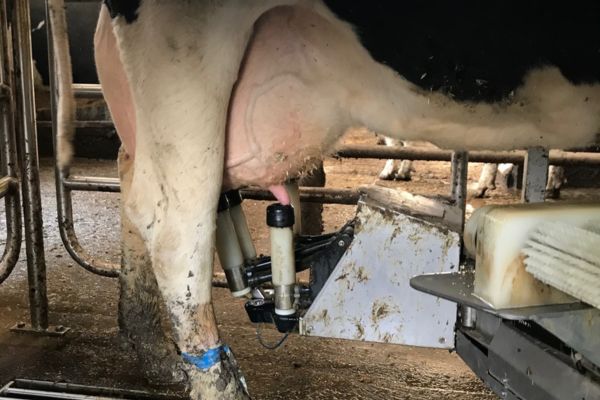
- Mastitis - £330-370 per case
- Lameness - £310-325 per case
Heifers
An extended breeding period in maiden heifers has a measurable negative impact on lifetime performance – once the 23-to-25-month first calving interval has been missed, various KPIs start to decrease including:
- 1st service conception rate as a heifer and in first lactation
- Cumulative 5-year milk yield
- Longevity – the number of cows surviving into their 3rd lactation is greatly reduced
The economic return from culling a barren heifer may exceed the projected lifetime return if she enters the milking herd.
Getting Started
The first steps to reviewing your herd would be having a walk around the barn, speaking to staff and examining data sources. For example:
- Check treatment, hoof trimming or cow records to identify any cows with reoccurring issues
- Ask anybody else working on the farm if there have been cows consistently under-producing, lame, or not milking in all quarters
- Review latest milk yield data and historical production (if available) e.g. on farm management software or milk recording records
- Check the age of all PD- heifers
Once you have this information, you should be well equipped to better review the value of each of your cows, and whether culling should be considered.
Quianne Reijnen, SAC Consulting
Quianne.Reijnen@sac.co.uk

Sign up to the FAS newsletter
Receive updates on news, events and publications from Scotland’s Farm Advisory Service