
Articles

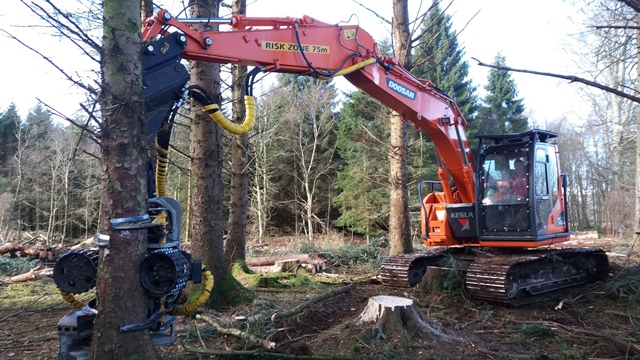
Forest Plans and Woodland Plans (FWN 28)
Most things in life which need to be built or managed require some kind of plan. Forestry is no different. In fact, given the long-term nature of forestry, one of…
Read More >Buying A Breeding Bull
Buying a good breeding bull is a skill like any others in farming. But no matter how good your choice if you handle him badly once you get him home you wont get the best from your investment.
Read More >Malpresentation Births
The real question with all malpresentations, apart from perhaps twins, is why did they occur?
Read More >Bacillus What?
You may not have heard of it but this bacteria takes first prize as the most commonly diagnosed cause of abortion in Scottish cattle.
Read More >Investigating Abortions In Cattle
Investigating all abortions can help with planning culling decisions and breeding strategies.
Read More >Urea Poisoning
The main signs of urea poisoning are due to the alkaline-corrosive effects of the high NH3 levels in the digestive tract and other tissues and the neuro-toxic effect on the brain.
Read More >Reducing Lamb Mortality
SRUC researcher Cathy Dwyer shows how basic research into the hormones that regulate the birth process can help guide lambing management.
Read More >E.coli Infection In Young Lambs
E.coli is a type of bacteria that is found on all farms. It causes many problems in young lambs including watery mouth, navel ill, joint ill, meningitis and septicaemia.
Read More >Free Lambs Joint Ill Post-Mortems
Joint Ill is most common in lambs less than four weeks of age and in flocks housed for lambing. Response to treatment can be poor leaving crippled, ill thriven lambs.
Read More >Investigating Abortions In Sheep
In an ideal world investigate all abortions but remember that they don’t all have an infectious cause.
Read More >Sign up to the FAS newsletter
Receive updates on news, events and publications from Scotland’s Farm Advisory Service