
Articles
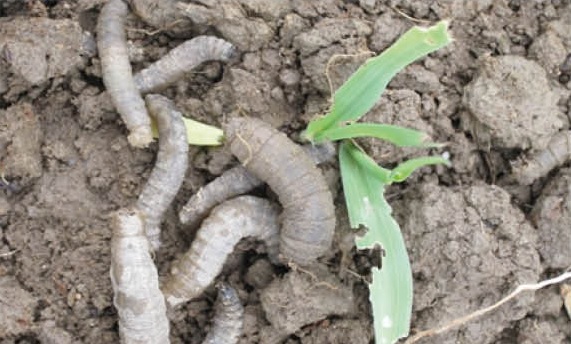
Pests in spring barley, May 2019
Spring barley Check or aphids on emerging shoots as they could be walking onto the crop from volunteers and grasses, and some aphids have already been flying around this spring.…
Read More > about Pests in spring barley, May 2019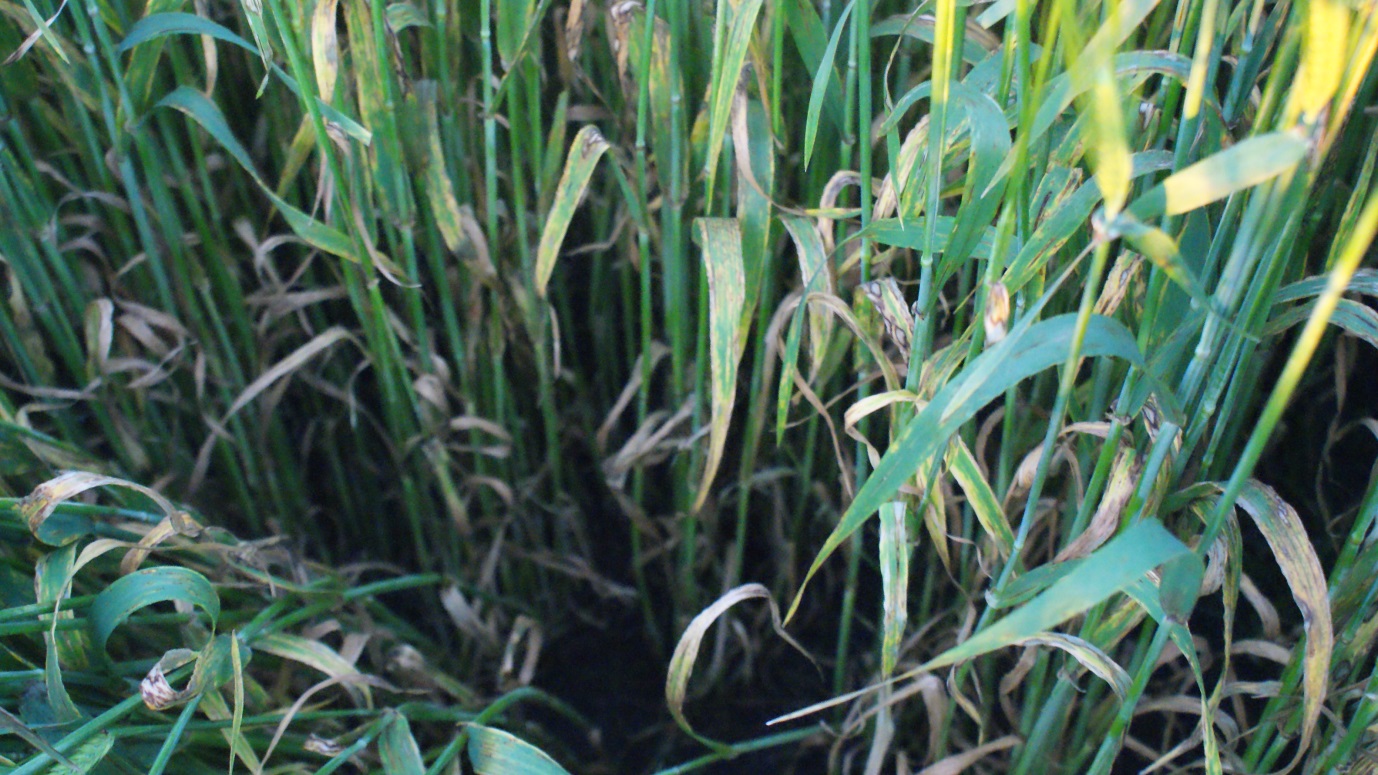
Disease control in spring cereals, May 2019
Spring Barley Spring barley is growing rapidly but looking a little stressed at some sites, largely because of the dry conditions. Don’t leap in with trace elements without knowing they…
Read More > about Disease control in spring cereals, May 2019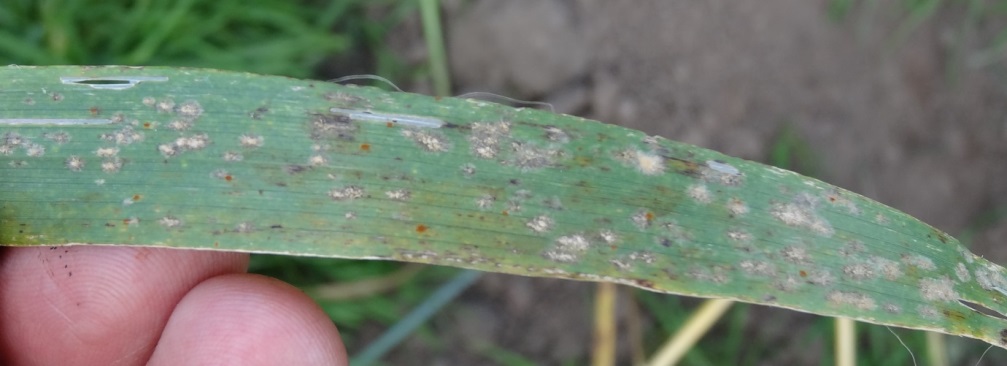
Disease in winter cereals, May 2019
Winter barley Awns are peeping in the most advanced crops, with flag leaf peeping in a wider proportion. The dry weather has helped reduce the pressure from rhynchosporium so, where…
Read More > about Disease in winter cereals, May 2019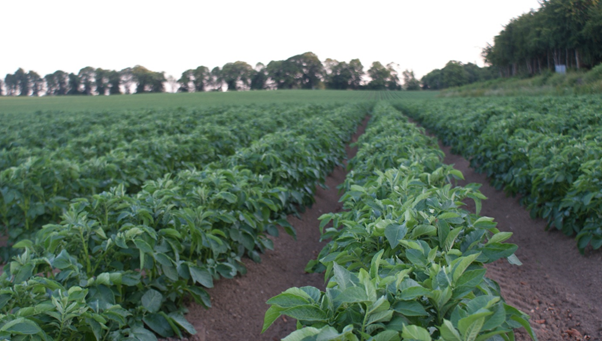
Weed control in potato crops, May 2019
Most weed control is based around conventional chemistry of a basic residual + contact combination. Products can be mixed and rates matched according to the weed spectrum. Timing is everything…
Read More > about Weed control in potato crops, May 2019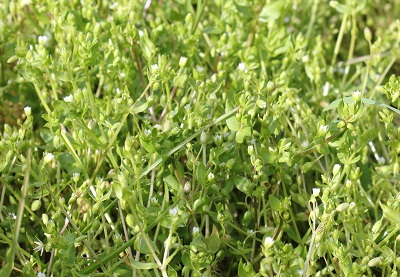
Weeds in Winter cereals, May 2019
Most winter cereal crops are now past the growth stage where annual meadow-grass can be adequately controlled. However, there are still opportunities to tidy up broad-leaved weeds such as cleavers,…
Read More > about Weeds in Winter cereals, May 2019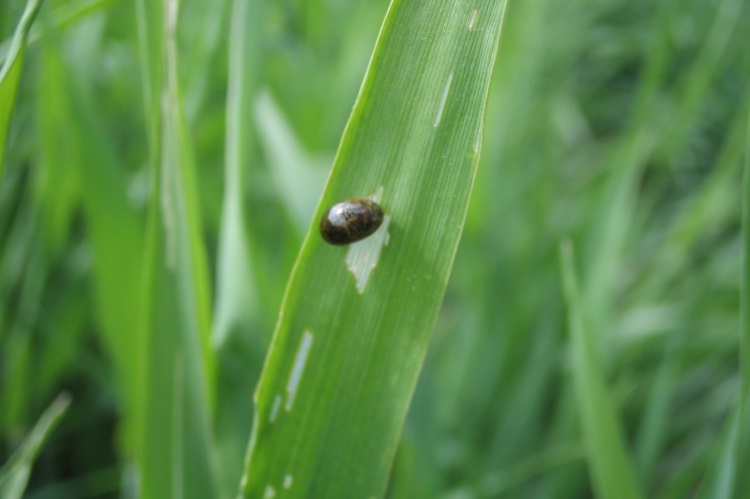
Pests in Winter cereals, May 2019
The warm spell in mid-April did lead to some flying cereal aphids being caught in Scottish suction traps, so it’s worth checking for aphids on leaves on warm sunny days,…
Read More > about Pests in Winter cereals, May 2019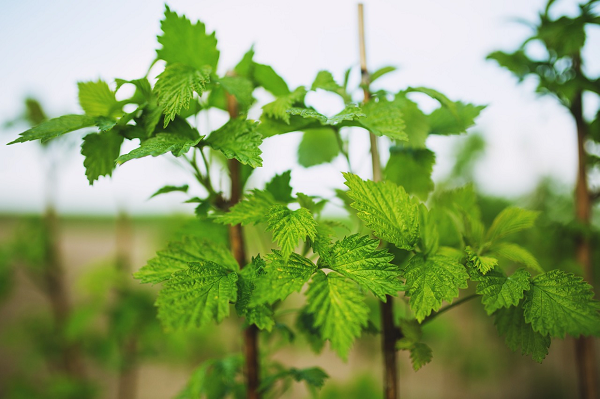
Pests in soft fruits, April 2019
Raspberry growers should continue to check at night for double-dart moth caterpillars and clay-coloured weevils. Double-dart moth caterpillars are 2-2.5 cm in length, brown in colour with a distinctive V-shaped…
Read More > about Pests in soft fruits, April 2019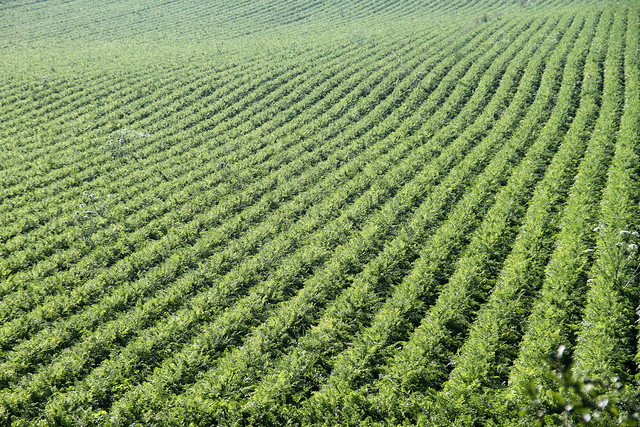
Pests in carrots & parsnips, April 2019
Carrot flies are forecast to emerge and fly into carrot crops in late April, with egg laying beginning from early May. Crops that were sown with seed treated with Force…
Read More > about Pests in carrots & parsnips, April 2019Weeds in Spring crops, April 2019
Spring barley If annual meadow-grass is a potential problem in establishing spring barley, then a residual herbicide is the best option for effective control. This is particularly relevant to reduced…
Read More > about Weeds in Spring crops, April 2019
Disease in Winter oats, April 2019
We are not seeing much in the way of mildew coming through in reports as yet and it is one of the major targets of fungicides used in winter oats.…
Read More > about Disease in Winter oats, April 2019Sign up to the FAS newsletter
Receive updates on news, events and publications from Scotland’s Farm Advisory Service