
The Value of Pollinators for High Yielding Bean Crops
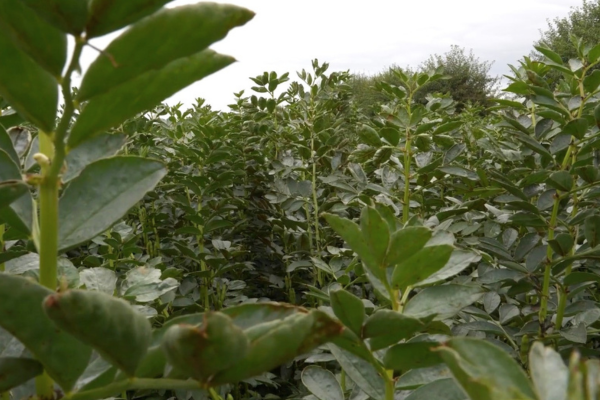
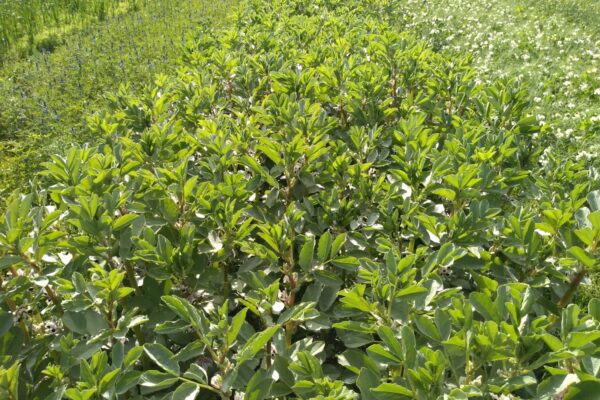
With the price of barley plummeting, growers are looking for alternative crops to sow in spring. Field beans are becoming an increasingly strong contender. They act as a break crop, provide an excellent source of plant-based protein and fix nitrogen reducing the need for synthetic fertilisers - benefiting your farm’s carbon footprint.
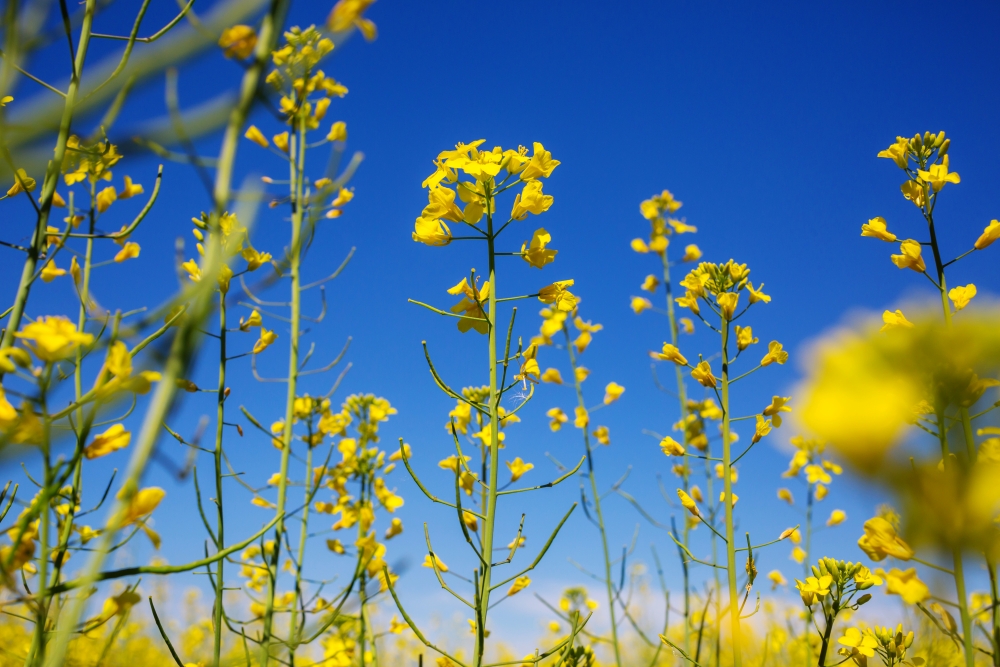
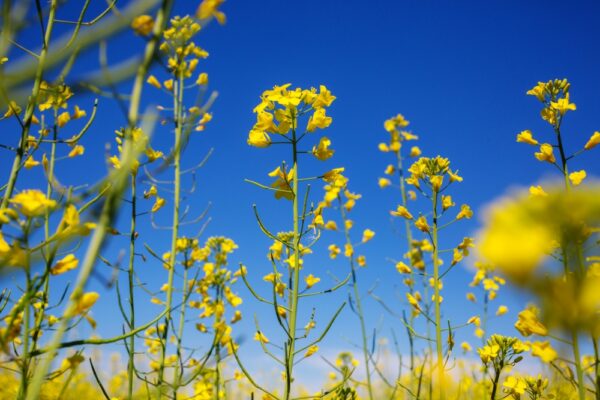
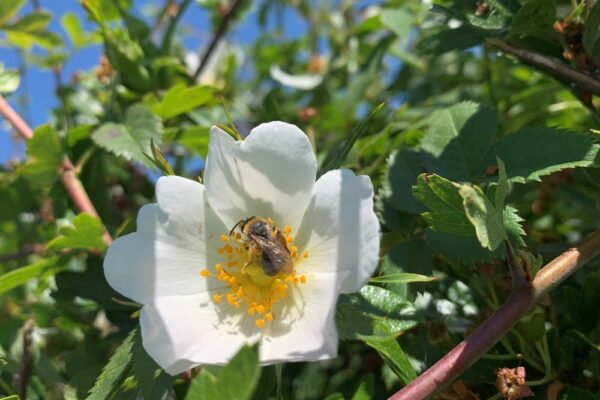
But beans have another benefit; they flower in June. This provides an important source of forage for bumblebees during a period known as the June gap – a time when floral resources are scare in the wider countryside. This isn’t just good for the bees, the benefits flow both ways. Field beans are highly reliant on insect pollinators, with research suggesting pollinators can increase bean yields by as much as 46%. Building pollinator populations on farm is therefore becoming increasingly important with benefits extending to other flowering crops such as oilseed rape and apples.
Growing Different Crops for Different Bees
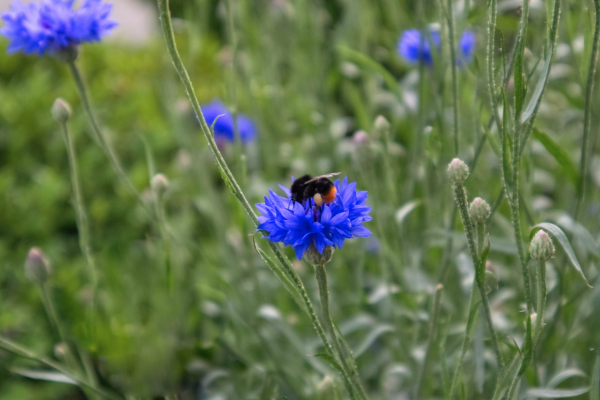
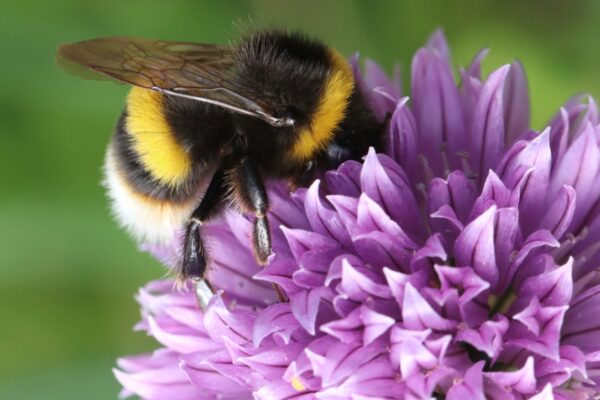
While the open flowers of oilseed rape and apples allow a wide range of pollinators to access, field beans are a little more complex. Their nectar is hidden deep inside the flower, where only long-tongued bumblebee such as the garden bumblebee can access it legitimately. I say legitimately because short-tongued bees can be a little sneaky. Instead of entering through the flower, they bite a hole at its base and steal the nectar. This is known as nectar robbing. The problem is that nectar robbing totally bypasses the reproductive part of the flower, so the bee collects nectar without pollinating the plant. We still don’t know exactly how nectar-robbing impacts bean yields. It could potentially have little effect, but there are also concerns that removing nectar could reduce the availability for our legitimate long-tongued bumblebees, or that damage to flowers could increase disease risk.
So how do we support long-tongued bumblebees? Bumblebees need a continuous supply of pollen and nectar from late March right through until early September. Woody plants such as willow, hawthorn and crab apple, found along woodland edges and hedgerows, play an important role in providing early season forage. Later in the season, flower-rich field margins come into play.
Designing Seed Mixes for Pollinators
Designing seed mixes that cater for long-tongued bumblebees is key. Long-tongued species particularly like legumes such as bird’s-foot trefoil, vetches, and clovers. They are also big fans of yellow rattle. Yellow rattle can be expensive to include in seed mixes, but it has an added bonus. It is a hemi-parasite of grasses and helps to keep vigorous grasses in check. This allows wildflowers to thrive, prolonging the life of your field margin and saving you money and time.
But let’s not forget the short-tongued bumblebees and hoverflies. They are important pollinators of oilseed rape, and soft and hard fruits. Including more open flowers such as knapweed and ox-eye daisy in seed mixes will help provide resources for a wide range of species.
Pollinators to Improve Bean Yields
But can we really afford to take productive land out of production land? For me this is where it becomes interesting. Recent research in England found that converting 3% of cropped land to wildlife habitat could result in a break-even situation. The yield lost from land taken ground out of production was offset by an increase in bean yields of around 25%. This rose to an astonishing 35% increase in bean yields when 8% of cropped land was taken out of production.
September is the Time to Sow
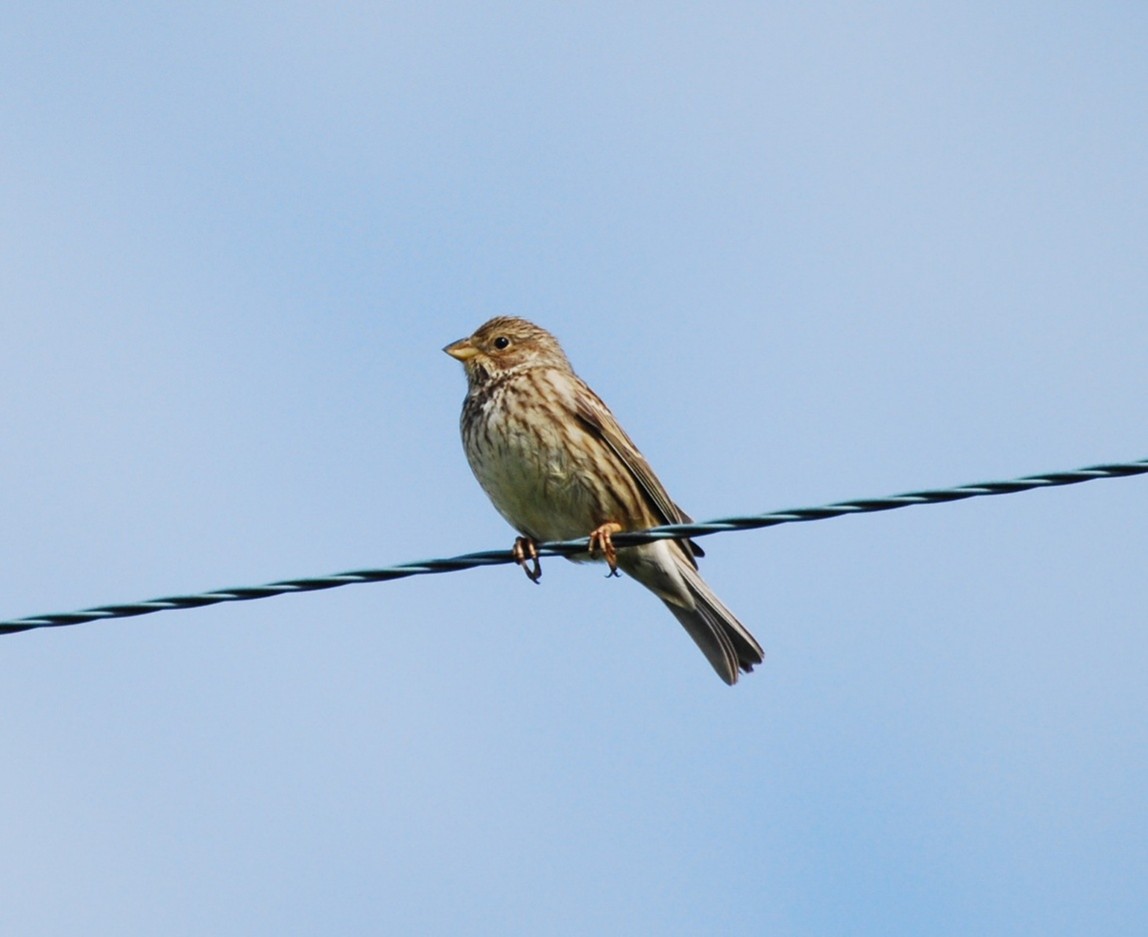
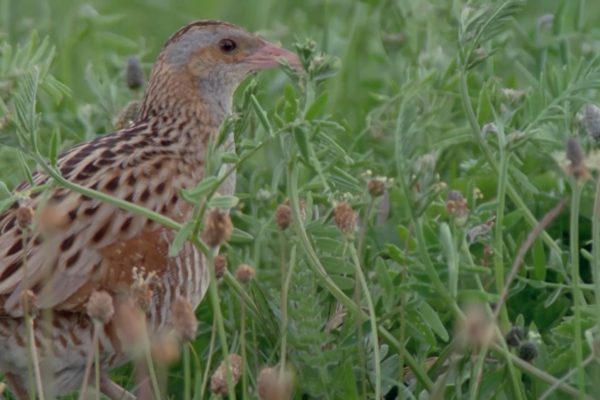
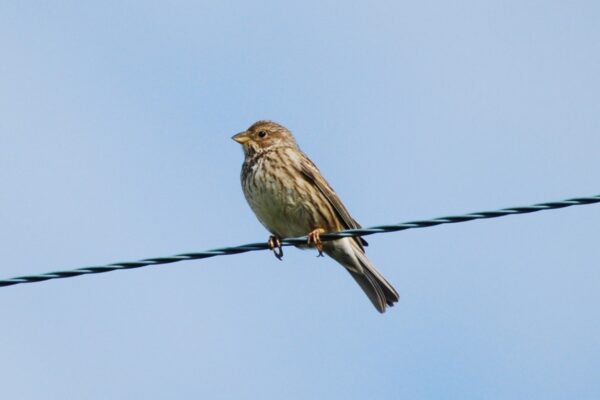
If you are including field beans in your rotation this year, September is the ideal time to sow wildflower margins. This is particularly important if you are including yellow rattle which needs a period of cold to germinate. Even if you are not growing beans, these margins can benefit a wide range of insects, which in turn provide food for farmland birds such as the grey partridge and yellowhammer. Finally, remember to take a walk through your flower-rich margins next summer – just to enjoy them!
Dr Lorna Cole, SAC Consulting
Image by Envato Elements







Sign up to the FAS newsletter
Receive updates on news, events and publications from Scotland’s Farm Advisory Service