
Beginners Guide to Vaccination & Dosing Sheep
Vaccination and dosing are fundamental skills for every sheep farmer. While the process may seem complicated at first, following a few basic principles can make a big difference.
Store medicines correctly, use the right equipment, follow manufacturer instructions and maintain good hygiene at all times. Most importantly, seek advice from your vet if you are unsure about any aspect of treatment.
A well-planned vaccination and parasite control programme will help keep sheep healthy, improve productivity and support a more sustainable and profitable flock.
This guide will take you through the essentials, and help you get started.
Why Vacccination is Important
Vaccines help prepare an animal's immune system to fight disease. By exposing sheep to a harmless form of a disease-causing organism, vaccines allow the animal to develop immunity without becoming ill.
Vaccination is one of the most effective ways to prevent disease outbreaks in a flock. It can reduce illness, deaths and the need for antibiotic treatments, helping to improve both flock performance and farm profitability.
One of the most common vaccines used in UK sheep flocks protects against clostridial diseases and pasteurellosis. Clostridial diseases, such as pulpy kidney and tetanus, can cause sudden death in otherwise healthy sheep, making vaccination an important preventative measure. The timing of vaccinations is critical. Ewes are commonly given a booster vaccination four to six weeks before lambing. This boosts the antibodies in the ewe's colostrum, helping to protect newborn lambs during the first weeks of life. For more information, check out this article: https://www.fas.scot/article/clostridial-vaccinations-in-breeding-sheep-flocks/
Always follow your veterinary health plan and the manufacturer's recommendations when deciding which vaccines to use and when to administer them.
Storing Vaccines Correctly
Vaccines are sensitive products and must be stored properly to remain effective.
Most vaccines should be stored in a refrigerator between 2°C and 8°C. Vaccines should never be frozen, exposed to direct sunlight or left in a warm vehicle or shed.
It is good practice to:
- Check fridge temperatures regularly.
- Keep vaccines in their original packaging.
- Use vaccines before their expiry date.
- Once opened, observe the timeline for use.
Giving Vaccines Safely
Before administering any vaccine, read the product datasheet and instructions to look for administration route, dose rates and withdrawal periods.
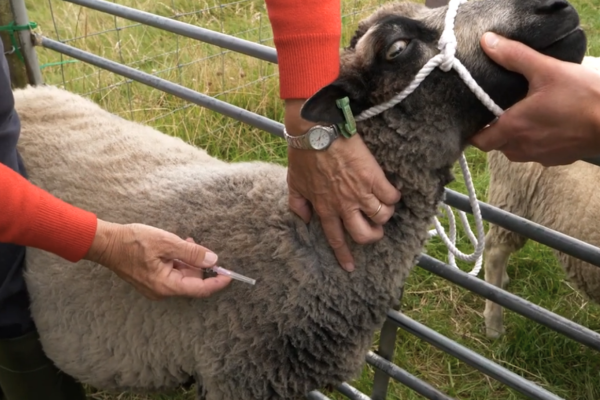
Most sheep vaccines are given by subcutaneous injection, which means the vaccine is injected under the skin rather than into the muscle.
Good hygiene is essential during vaccination:
- Use clean equipment.
- Keep re-useable needles clean and sharp.
- Avoid injecting dirty or wet sheep whenever possible.
It is important that vaccines are administered correctly, as complications can arise when they are injected into the wrong place, or when good hygiene practices aren’t observed. SRUC Veterinary Services see animals in the post-mortem room every year with complications arising from injections given incorrectly or unhygienically.
Antibiotic Injections
Antibiotics are used to treat bacterial infections in sheep. Farm animal antibiotics require a veterinary prescription (POM-V) but can be given to sheep by competent individuals.
Painkillers
The only painkillers licensed in sheep are local anaesthetics or non-steroidal anti-inflammatory drugs. Both require a veterinary prescription. However, these injections can also be administered by competent individuals.
Choosing the Correct Needle
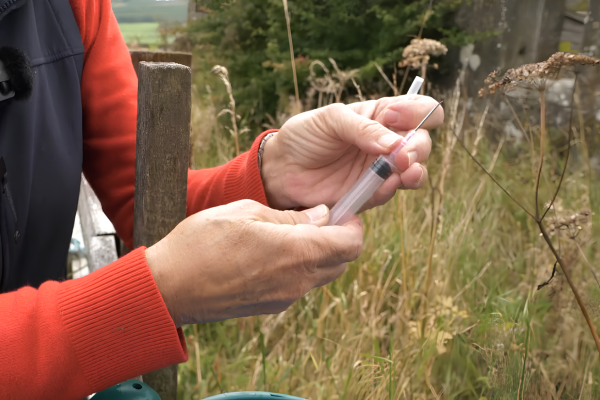
Choosing the Correct Needle
Needles come in different sizes of width and length. The size of needle used should match the size of the sheep, the route of the injection (e.g., under the skin or into the muscle) and the product being administered. For instance, small lambs will need a fine needle of short length, and an injection into muscle requires a longer needle than an injection under the skin.
Types of needles
- Disposable = use once, then discard.
- Luer lock = how the needle attaches to the syringe (screw-on connection). Can be disposable or metal.
- Metal = reusable needle material and design. Check regularly for sharpness and damage, and sterilise between uses.
Size of needle
The gauge refers to the size of the needle opening. The higher the gauge number, the smaller the needle.
Disposable needles are colour coded according to size.
| Sheep Class | Needle Size | Needle Colour |
|---|---|---|
| Lambs under 10 kg | 21 gauge × 5/8" | Green |
| Lambs 10–20 kg | 20 gauge × 1" | Yellow |
| Lambs 20–40 kg | 19 gauge × 1" | Cream / Buff |
| Adult sheep | 18 gauge × 1" | Pink |
The table above is a guide for needle use. However, you may need to use a wider needle for thick products e.g. some antibiotics. Using the correct needle helps ensure the product is delivered properly while minimising tissue damage and discomfort.
Needles should be changed regularly, particularly during flock vaccination programmes. A blunt or contaminated needle can increase the risk of infection and animal discomfort.
Avoid Bottle Contamination: Never insert a needle that has already touched an animal back into a medication bottle. Keep a dedicated, sterile "draw needle" in the bottle cap to fill syringes.
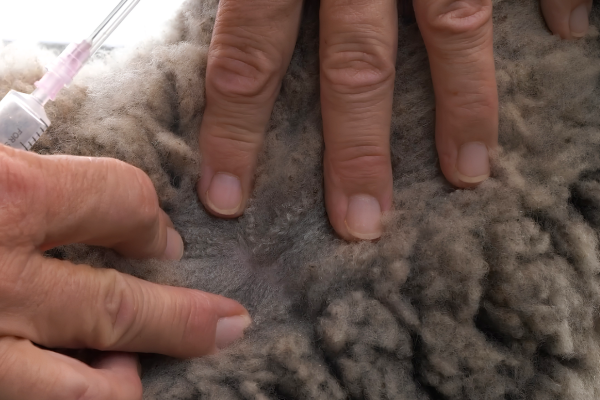
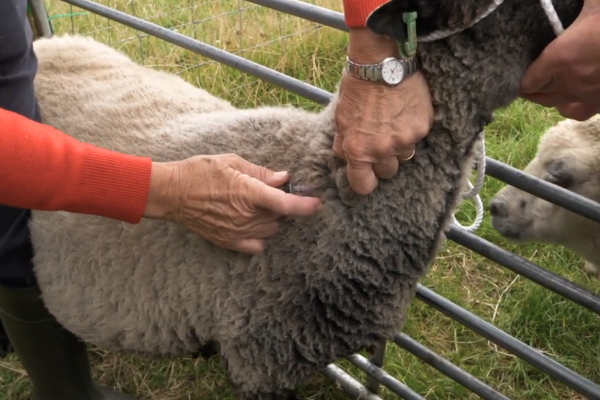
How to Administer Sub-Cutaneous Injections (under the skin)
- Grasp a fold of skin and slide the needle through the skin, parallel to the animal’s neck or trunk. This will avoid penetration of underlying muscle.
- Insert the needle several inches from your hand to avoid accidental self-injection. The plunger of the syringe should always be pulled back after entry, to ensure the needle is not located within a blood vessel.
- After the injection, briefly massage the site to improve the dispersal of the injected material.
How to Administer Intra-Muscular Injections (into the muscle)
- Make sure the area is clean and dry.
- Draw up the solution for injection into the syringe.
- Disconnect the needle and hold the hub firmly between thumb and middle finger. With your fist, ‘thump’ the muscle where the injection will be made – this may help desensitise the area.
- Insert the needle into the muscle to the hub with a sharp slap action.
- Connect the syringe to the needle, taking care not to introduce any dirt. Draw back to check there is no blood and then slowly inject the contents of the syringe over 10 seconds. Do not inject too quickly as this may cause the animal pain.
- After the injection, gently massage the injection site.
Understanding Dosing
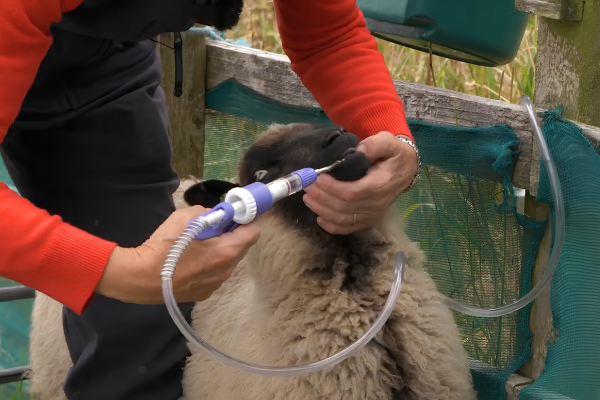
"Dosing" refers to administering liquid treatments by mouth, e.g., medicines that control internal parasites, such as worms or fluke, or vitamin and mineral solutions.
Administering an oral drench safely requires good technique.
Before dosing:
- Check that the dosing gun is working correctly.
- Calibrate the gun to deliver the correct dose by squirting a few doses into a measuring container.
- Weigh sheep, or dose according to the heaviest animal in the group.
When administering the drench:
- Restrain the sheep securely.
- Insert the nozzle gently into the side of the mouth, with the curved side down.
- Guide it over the tongue towards the back of the mouth.
- Deliver the dose slowly.
- Allow the sheep time to swallow before releasing it.
Never force the drench into the animal's mouth. Incorrect technique can result in damage to the soft palate, or medicine entering the lungs, causing pneumonia or even death.
How to drench:
- Restrain the animal’s head in a horizontal position – a slight tilt may improve access, but do not pull the head too far back or too far to one side.
- Insert the nozzle of the drench gun into the corner of the mouth in the gap between the incisor teeth in front and the molar teeth.
- Once the nozzle is inside the mouth, gently position it so it rests just above the back of the tongue – do not insert it forcefully in because you can easily damage the back of the throat and cause pain.
Good Handling Facilities Make a Difference
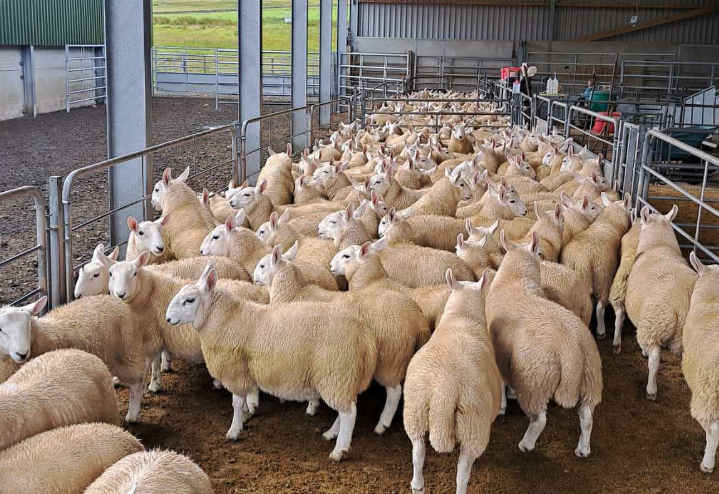
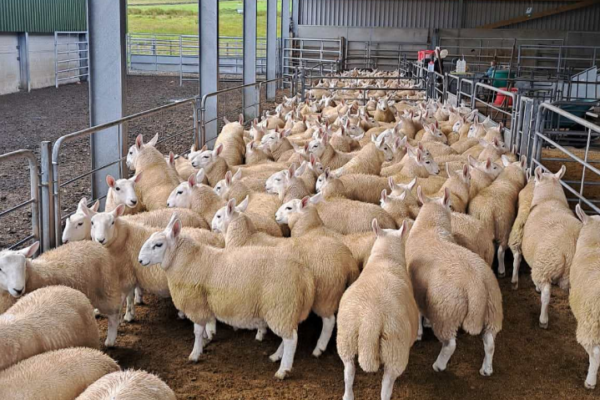
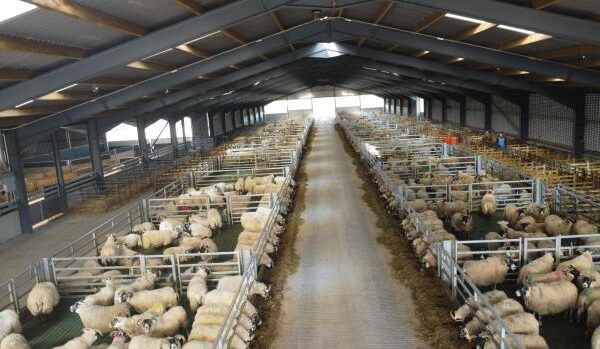
Whether vaccinating or dosing, good handling facilities make the job safer and easier for both animals and stock people.
Well-designed handling systems help:
- Reduce stress on sheep and humans!
- Improve operator safety.
- Allow treatments to be administered accurately.
- Increase efficiency during routine flock management.
Working calmly and allowing sufficient time for the task reduces mistakes and improves animal welfare.
Further Information






Sign up to the FAS newsletter
Receive updates on news, events and publications from Scotland’s Farm Advisory Service