
Silage Quality and Winter Feed Planning
While milk prices are beginning to show gradual signs of improvement, careful feed management remains essential to protect margins and support cash flow recovery. As we move towards autumn, silage analysis results for first and second cut silages should now be available on farm. These results provide valuable information, not only for planning winter rations but also for forecasting feed costs and budgeting for the months ahead.
If your forage has not yet been analysed, making this a priority during September could prove one of the most valuable management decisions you make. Speak to your nutritionist for assistance with sampling or refer to the previous FAS article, Silage Sampling – Taking A Representative Sample | Helping farmers in Scotland, for guidance on collecting an accurate sample.
The table below, taken from the AHDB Forage First Guide, provides a useful benchmark for assessing the quality of your silage using this year's analysis results. Forages that achieve "Good" ratings across most quality parameters can deliver significant benefits.
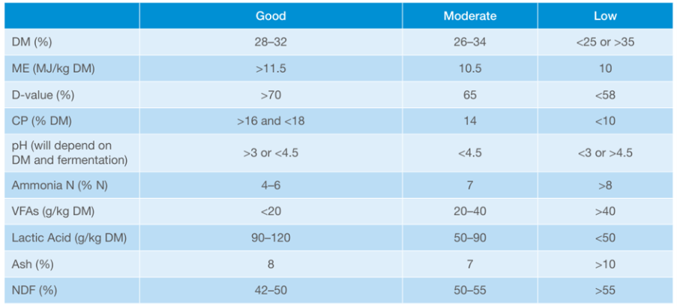
Higher quality silage reduces the need for purchased feed supplementation, supports better rumen function, encourages higher dry matter intakes (DMI), and ultimately helps improve both cow health and milk production.
Where forage quality falls short of expectations, it is worthwhile reviewing the factors that may have contributed to this year's results. Assessing sward composition, soil health, nutrient management, harvest timing, and ensiling practices can help identify opportunities to produce a higher quality crop next season.
However, quality is only part of the picture. Equally important is ensuring sufficient forage is available to meet livestock requirements throughout the winter. Completing a forage budget allows an accurate assessment of available stocks in clamps and bales and helps identify any potential shortfalls early. Both the Farm Advisory Service and AHDB provide online forage budgeting tools that can support this process.
Updating feed budgets monthly throughout the winter enables actual usage to be monitored against forecasts, allowing timely adjustments where required.
AHDB analysis of grain, protein, and concentrate markets shows that prices across most feed sectors are currently below the five-year average, creating optimism for competitive winter feed contracts.
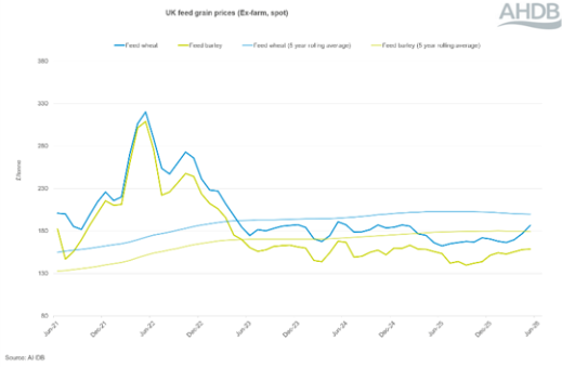
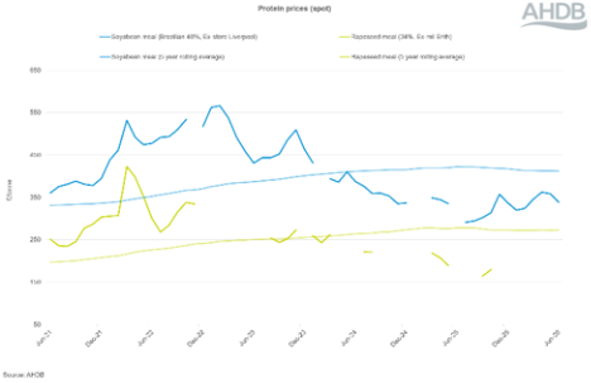
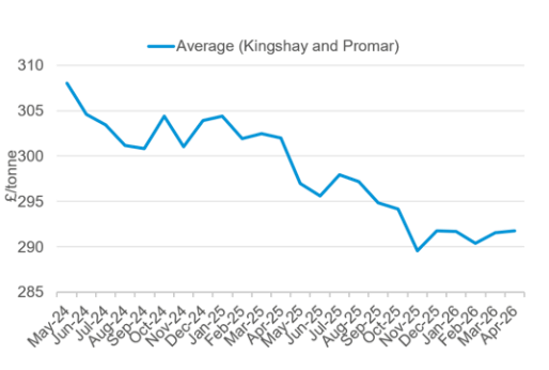
Nevertheless, with the GB average farmgate milk price at 34.57ppl (AHDB, May 2026), compared to the five-year rolling average of 40.68ppl, maintaining a strong margin over purchased feed remains a key priority. This highlights the importance of maximising the value of home-grown forage when formulating winter rations.
The latest Kingshay Regional Performance Report (Region-Rolling-Report.pdf June 2026) shows that Scottish dairy herds have the highest concentrate usage in the UK, averaging 3,495kg per cow, alongside the highest purchased feed costs at 12.65ppl, leaving an average margin over purchased feed of 26.37ppl.
Understanding the nutritional value of your forage and making the most of home-grown feed can help reduce reliance on purchased concentrates, improve ration efficiency, and support animal health. By ensuring purchased feeds are used strategically to complement forage quality, producers can develop cost-effective rations that deliver value for money while helping to maximise margins through the winter months.
Key Actions for September
- Ensure first and second cut silages have been analysed.
- Complete a forage budget to assess winter feed stocks.
- Monitor feed usage monthly and update budgets accordingly
- Work with your nutritionist to maximise forage utilisation and minimise purchased feed costs.
A clear understanding of both forage quality and quantity provides the foundation for informed feeding decisions, helping dairy businesses control costs, maintain performance, and navigate the winter period with greater confidence.



Sign up to the FAS newsletter
Receive updates on news, events and publications from Scotland’s Farm Advisory Service